
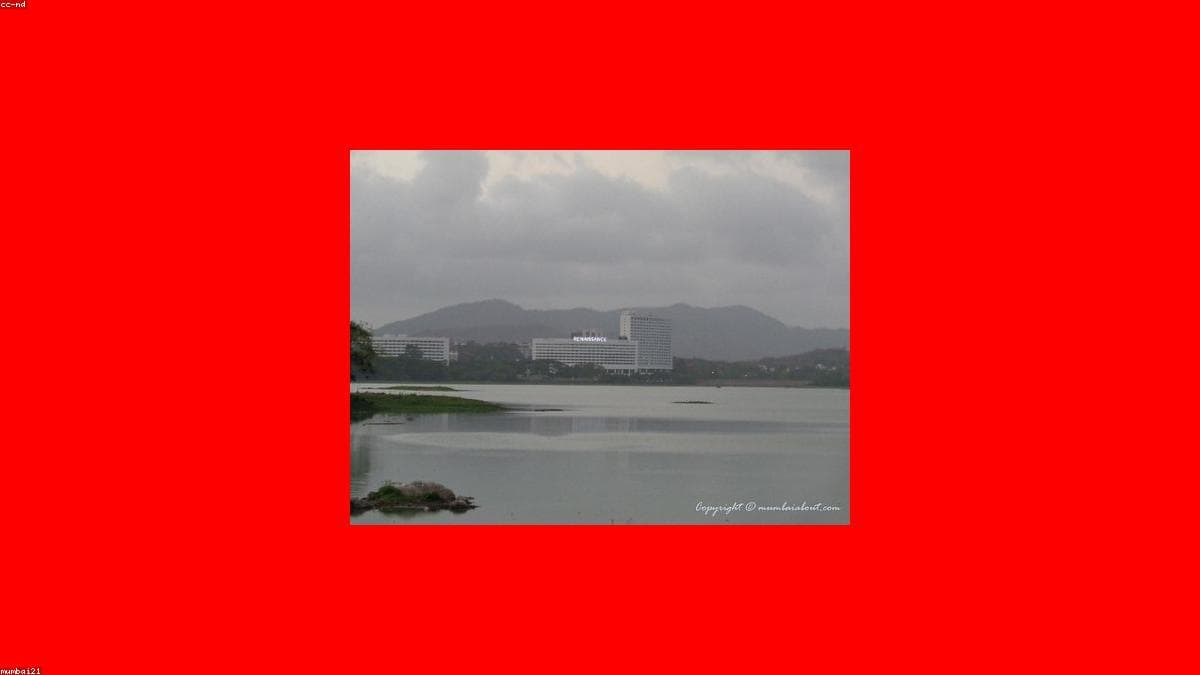
Pressure Systems & Vessels VR training for oil & gas in Mumbai.
Mumbai, Maharashtra — chemicals, pharma and ports hub (MIDC, JNPT and the MMR industrial corridor). Train safe operation, draining and depressurisation of pressure vessels and systems on a virtual rig before anyone breaks containment on a live one.
Pressure Systems & Vessels VR training for oil & gas in Mumbai
DrillXR Pressure Systems and Vessels trains operators and maintenance staff to work on pressurised equipment without releasing the stored energy that makes a vessel dangerous. The simulation reproduces the hazards that cause pressure-system incidents: the sudden release of stored energy when a vessel is opened while still under pressure, an overpressure event when a relief device fails or is isolated, trapped pressure left in a section that looked isolated, and the release of stored gas or liquefied gas that flashes off when containment is broken. Inside the headset the trainee verifies the system and the status of its relief devices, isolates and locks the section to be worked, depressurises and drains it to a safe point, confirms a true zero-pressure state before breaking containment, and reinstates, leak-checks and returns the system to service. Because the killer is invisible stored pressure, the headset trains the prove-zero-before-you-open discipline.
Pressure equipment is governed closely in India because a failure is sudden and severe. The Static and Mobile Pressure Vessels (Unfired) Rules 2016, administered by the Petroleum and Explosives Safety Organisation, govern the design, examination and safe operation of pressure vessels storing compressed and liquefied gases, the Factories Act 1948 carries the underlying duty of care for pressure plant on the premises, and serious operators run a written scheme of examination for their pressure systems. The classic incident is not ignorance but a shortcut: cracking a flange on a line assumed to be vented, or isolating a relief valve to stop it lifting. A classroom cannot let a worker feel a flange let go under trapped pressure; DrillXR lets them make and correct that mistake in a virtual rig where the only cost is a lower score.
Pressure Systems & Vessels training for Mumbai’s industrial base
Mumbai and the wider Mumbai Metropolitan Region form one of India's most complex industrial geographies, where chemicals, pharmaceuticals, ports and logistics collide inside a single dense corridor. The MIDC estates across the MMR, the Jawaharlal Nehru Port (JNPT) at Nhava Sheva and the long industrial belt running through Navi Mumbai, Thane and Taloja put hazardous-chemical processing, bulk storage, container handling and warehousing in close proximity to one of the most crowded urban populations on earth. Many of these are Major Accident Hazard (MAH) units, where a process-safety failure is not a local event but a regional one, and where regulators and surrounding communities watch closely.
In Mumbai's chemical and port economy the worst incidents — a toxic release, a confined-space fatality during tank entry, an uncontrolled spill, a botched emergency response — are precisely the ones that cannot be rehearsed on the real asset without endangering people. That is the gap VR closes. DrillXR lets a worker practise atmospheric testing and permit-to-work before a vessel entry, don the correct PPE for a specific spilled substance, and run a timed, role-based emergency drill where coordination itself is scored, not just individual steps. For MAH units across the MMR whose on-site emergency plans must be demonstrably tested, immersive drills produce a defensible, repeatable competence record that a classroom session and a signed attendance sheet simply cannot. In a region this densely populated, the margin for an undertrained response is unforgiving.
Inside a pressure systems & vessels drill
The session begins at a virtual pressure vessel and its associated pipework with a maintenance task that requires breaking into the system. The trainee first verifies the system and checks the status of its relief devices, confirming a relief valve has not been isolated or gagged. They isolate the section to be worked and apply their personal lock to each isolation point, rather than stopping at a single valve. They depressurise the section and drain it to a safe point, venting to a controlled location. Crucially they then confirm a true zero-pressure state, checking the gauge and the vent before touching a joint; skip this and the simulation demonstrates a stored-energy release as the flange is cracked. With the task done they reinstate the joints, carry out a leak check and return the system to service in a controlled way. An assumed-vented line or an isolated relief device each register against the score.
Oil & Gas risk in focus
Oil and gas failure modes are process-driven and unforgiving. Process-safety events — loss of containment, runaway pressure or temperature, ignition of a release — are the headline catastrophic risk. H2S exposure can incapacitate or kill within seconds and demands instant, correct PPE and rescue behaviour. Hot-work ignition occurs when a permit fails to account for residual hydrocarbons or inadequate gas testing near welding and cutting. Confined-space entry into tanks, vessels and sumps combines toxic-atmosphere, engulfment and entrapment hazards with the recurring tragedy of untrained rescuers becoming the next casualties. Every one of these turns on procedure discipline under stress.
Go deeper on the Pressure Systems & Vessels module, VR training for oil & gas, or all training in Mumbai.
The hazards drilled
- stored-energy release on opening under pressure
- overpressure & relief-valve failure
- trapped pressure in isolated sections
- stored gas / liquefied-gas release
Oil & Gas risks in Mumbai
- process-safety events
- H2S exposure
- hot-work ignition
- confined-space entry
The scored procedure
- 01Verify the system & relief-device status
- 02Isolate and lock the section to be worked
- 03Depressurise and drain to a safe point
- 04Confirm zero pressure before breaking containment
- 05Reinstate, leak-check and return to service
Compliance mapping
Related drills for oil & gas
Explore the Pressure Systems & Vessels module, VR training for oil & gas, or all training in Mumbai.
Pressure Systems & Vessels VR training in Mumbai — FAQs
Why run pressure systems & vessels VR training for oil & gas in Mumbai?
Mumbai is chemicals, pharma and ports hub (MIDC, JNPT and the MMR industrial corridor). Oil & Gas teams there face process-safety events, H2S exposure, hot-work ignition. DrillXR lets crews rehearse pressure systems & vessels safely and repeatably, with scored, audit-ready evidence.
What does the Pressure Systems & Vessels simulation cover?
Train safe operation, draining and depressurisation of pressure vessels and systems on a virtual rig before anyone breaks containment on a live one. It reproduces stored-energy release on opening under pressure, overpressure & relief-valve failure, trapped pressure in isolated sections.
Which regulations apply?
Static & Mobile Pressure Vessels (Unfired) Rules 2016 (PESO); Factories Act 1948 (pressure plant safety); site pressure-system written scheme of examination; OISD standards; PESO (explosives/pressure); Factories Act 1948.
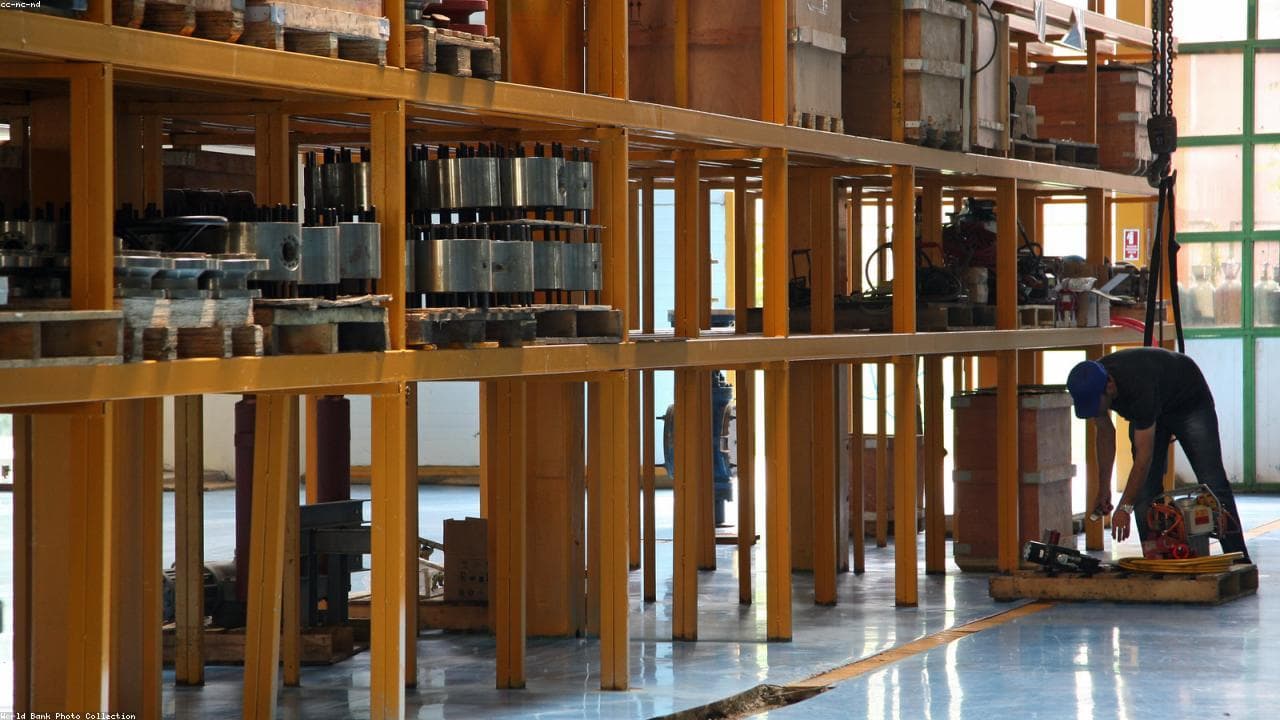
Pressure Systems & Vessels drills for oil & gas in Mumbai.
Book a walkthrough or start a focused pilot on your site.