
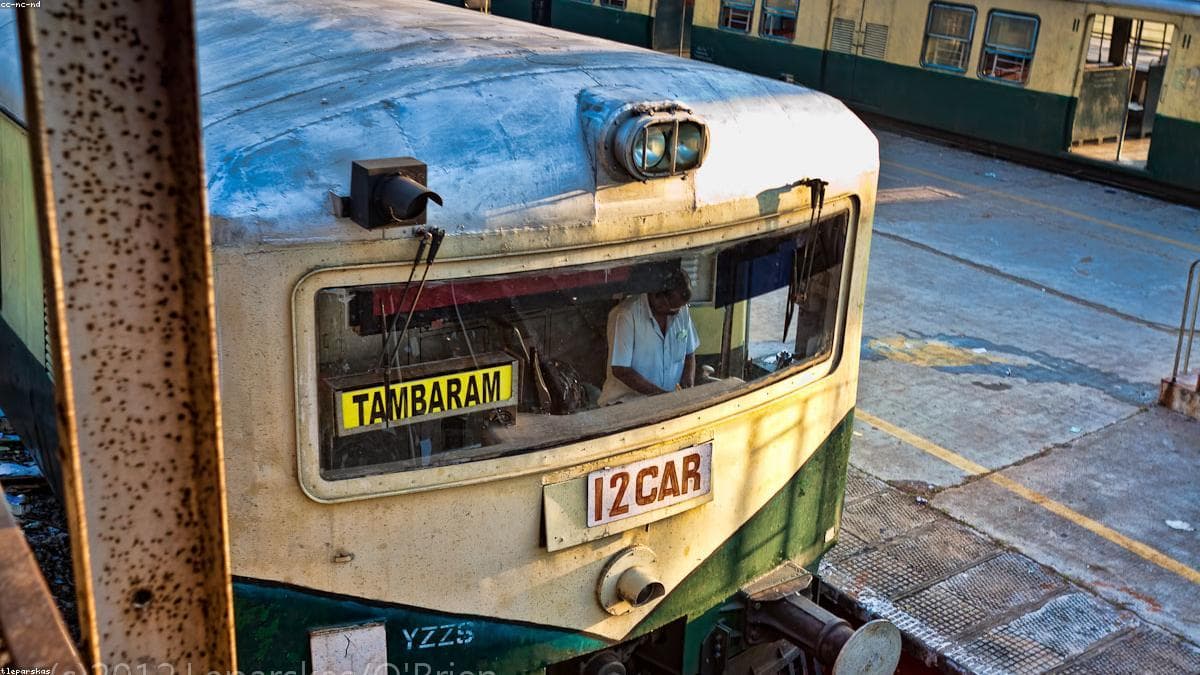
Molten Metal & Furnace Safety VR training for steel in Chennai.
Chennai, Tamil Nadu — automotive and heavy-engineering hub (Sriperumbudur–Oragadam auto cluster). Practise moisture control, tapping discipline and PPE for handling molten metal around furnaces, ladles and casting lines.
Molten Metal & Furnace Safety VR training for steel in Chennai
DrillXR Molten Metal and Furnace Safety puts a trainee around the furnaces, ladles and casting lines of a steel plant, where a moment's carelessness produces a burn that maims or kills. The simulation reproduces the hazards that make molten-metal work uniquely severe: molten-metal splash and the burns it inflicts, the steam explosion that erupts when molten metal meets even a trace of moisture, a furnace tap-out or runout that sends metal where no one expected it, and the radiant heat and toxic fume that wear a worker down around the melt. Inside the headset the trainee verifies that tools and the pouring route are dry and preheated, dons aluminised PPE and confirms the heat shield, controls the tap and the ladle handling, maintains the exclusion zone around molten metal, and responds correctly to a splash, runout or fume release. The discipline being built is dry-first, protected, and never complacent around the melt.
Molten-metal incidents are among the most catastrophic in heavy industry, and a single damp tool can trigger a steam explosion that injures a whole crew. The Factories Act 1948 carries specific duties around molten metal and hot processes, alongside its broader requirements on excessive heat, ventilation and protection from hot substances, and every steel plant governs the work with a molten-metal handling standard operating procedure. The lethal failure is rarely ignorance; it is a tool, a ladle or a mould that was not properly dried, or a worker straying inside the splash radius because the pour "always" goes the same way. DrillXR lets a trainee make and survive that mistake in the headset, watching a steam explosion follow a damp tool, so the dry-and-preheat discipline is built before they ever stand beside real molten metal.
Molten Metal & Furnace Safety training for Chennai’s industrial base
Chennai is India's automotive capital, and the Sriperumbudur–Oragadam corridor on the city's western fringe is the beating heart of it. The cluster hosts global car and commercial-vehicle OEMs, two-wheeler plants, a dense tier-one and tier-two supplier ecosystem, and the stamping, welding, painting and assembly operations that feed them. Heavy-engineering and electronics manufacturing round out the base. With several large assembly plants and hundreds of feeder units operating on tightly synchronised just-in-time schedules, the corridor runs continuous high-tempo production where a safety stoppage at one supplier can cascade through the whole line.
The economics of Chennai's auto corridor make undertrained operators expensive and dangerous in equal measure: a machine-interaction injury or a press incident stops a line that an OEM is counting on for just-in-time delivery. Classroom safety briefings cannot reliably build the muscle memory a press operator or a robotic-cell technician needs, and they leave no objective evidence of competence. VR does both. In the headset, an operator can confirm safe-stop and lock-and-verify before reaching into a cell, rehearse a weld-line hazard, and practise a line-side evacuation until the response is reflexive — and every attempt produces a score. For Sriperumbudur and Oragadam suppliers under constant OEM audit, that scored, repeatable record is what turns a training claim into demonstrable proof, across permanent and contract workers alike.
Inside a molten metal & furnace safety drill
The session places the trainee on a casting floor with a tapping or pouring task ahead. They begin by verifying that the tools, the ladle and the pouring route are dry and properly preheated, the single most important check; a damp tool taken to the melt triggers a steam explosion in the simulation. They don their aluminised PPE and confirm the heat shield is in place before approaching the heat. They control the tap and handle the ladle steadily, managing the flow rather than rushing it, and must stay outside the splash radius throughout. The scenario establishes and tests the exclusion zone around the molten metal, penalising anyone straying inside it. A developing condition, a runout, a splash, or a fume build-up, then tests the trainee's response: the correct retreat, alarm and protective action is the scored success, while freezing or moving toward the hazard registers against the result.
Steel risk in focus
Steel's failure modes are defined by heat, mass and gas. Molten-metal and hot-work hazards — splashes, runouts and water-metal explosions — produce catastrophic burns and are the sector's most feared events. Crane and material-handling operations move enormous loads over crews, where a rigging error or exclusion-zone breach is instantly fatal. Machine-safety failures on mills, conveyors and shears cause entanglement and crushing, especially during maintenance access. And gas hazards from CO and blast-furnace gas threaten asphyxiation across the plant. Each is a high-energy, low-margin event that procedural discipline — performed correctly every time — is the only reliable defence against.
Go deeper on the Molten Metal & Furnace Safety module, VR training for steel, or all training in Chennai.
The hazards drilled
- molten-metal splash & burns
- steam explosion from moisture contact
- furnace tap-out & runout
- radiant heat & toxic fume
Steel risks in Chennai
- molten metal & hot work
- crane/material handling
- machine safety
- gas hazards
The scored procedure
- 01Verify tools and route are dry and preheated
- 02Don aluminised PPE and confirm the heat shield
- 03Control the tap and ladle handling
- 04Maintain the exclusion zone around molten metal
- 05Respond to a splash, runout or fume release
Compliance mapping
Related drills for steel
Explore the Molten Metal & Furnace Safety module, VR training for steel, or all training in Chennai.
Molten Metal & Furnace Safety VR training in Chennai — FAQs
Why run molten metal & furnace safety VR training for steel in Chennai?
Chennai is automotive and heavy-engineering hub (Sriperumbudur–Oragadam auto cluster). Steel teams there face molten metal & hot work, crane/material handling, machine safety. DrillXR lets crews rehearse molten metal & furnace safety safely and repeatably, with scored, audit-ready evidence.
What does the Molten Metal & Furnace Safety simulation cover?
Practise moisture control, tapping discipline and PPE for handling molten metal around furnaces, ladles and casting lines. It reproduces molten-metal splash & burns, steam explosion from moisture contact, furnace tap-out & runout.
Which regulations apply?
Factories Act 1948 (molten metal & hot processes); Factories Act 1948 (excessive heat & ventilation duties); site molten-metal handling standard operating procedure; Factories Act 1948; BIS standards; site safety SOPs.
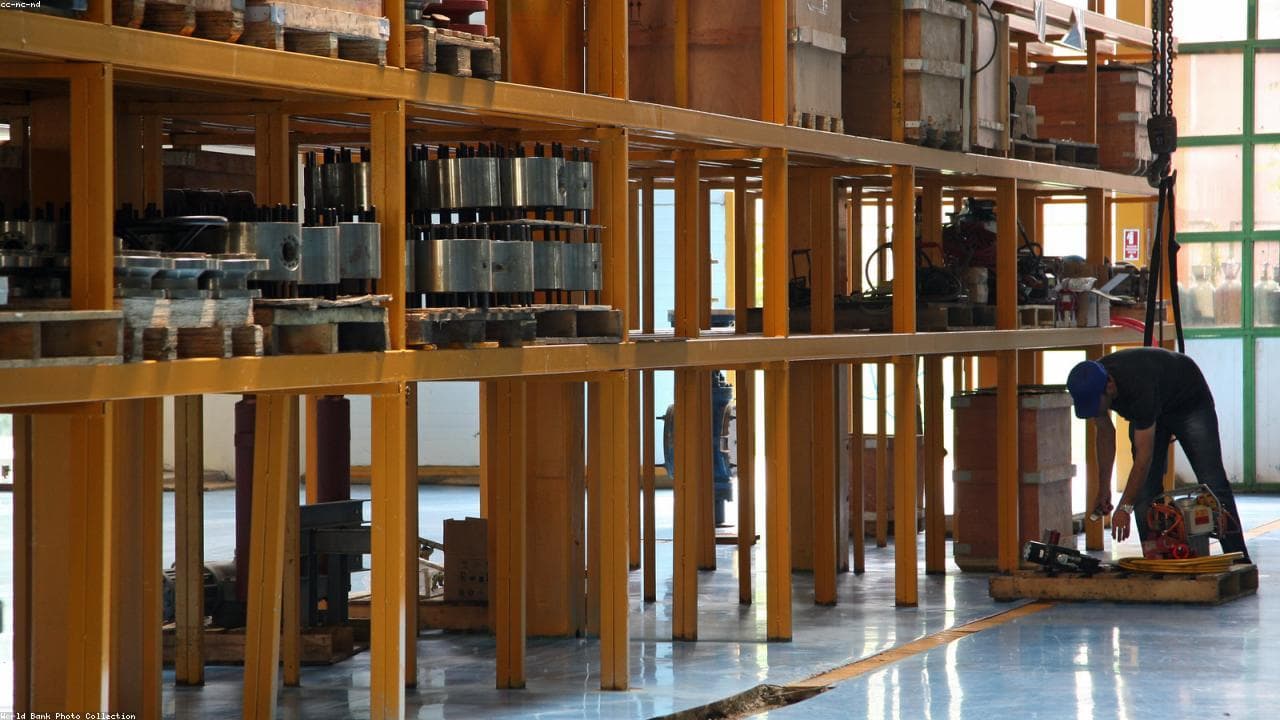
Molten Metal & Furnace Safety drills for steel in Chennai.
Book a walkthrough or start a focused pilot on your site.