
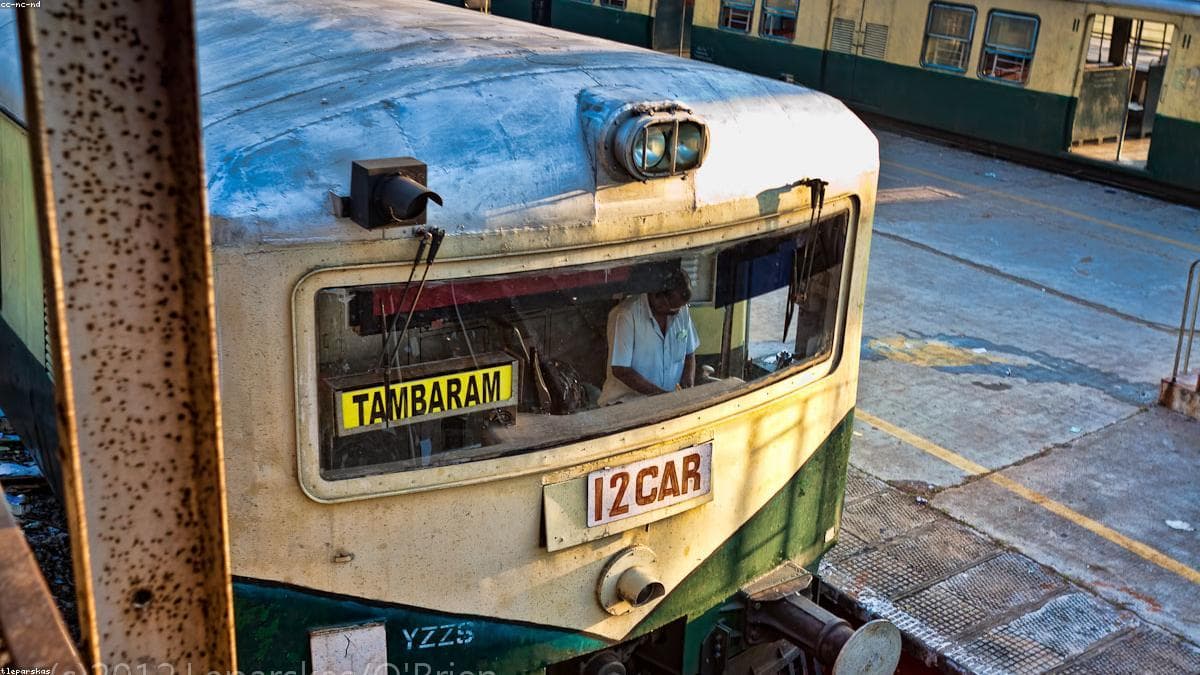
Machine Safety VR training for cement in Chennai.
Chennai, Tamil Nadu — automotive and heavy-engineering hub (Sriperumbudur–Oragadam auto cluster). Train on guarding, interlocks, safe-stop and lock-and-verify before access on virtual production equipment.
Machine Safety VR training for cement in Chennai
DrillXR Machine Safety trains operators and maintenance staff to interact with production equipment without losing fingers, hands or worse. The simulation reproduces the mechanical hazards that cause the most maiming injuries: entanglement and nip points where clothing or a hand is drawn in, parts ejected from a running machine, guards and interlocks that have been defeated or bypassed, and unexpected motion when a machine is thought to be stopped. The trainee works the safe-access procedure: identifying the guards and interlocks present, confirming a safe-stop, locking and verifying before reaching into the machine, clearing the area and re-guarding before restart, and restarting safely. The headset turns abstract guarding rules into a hands-on habit of stop, isolate, verify, then access.
Machinery injuries are often life-changing and frequently trace back to a defeated guard or a reach into a machine that was still live. The Factories Act 1948 carries explicit duties for the fencing and safe operation of machinery, BIS IS 16819 informs machine-safety practice, and each machine's manufacturer safe-operating procedure defines how it should be guarded and accessed. The dangerous shortcut, propping an interlock, reaching past a guard to clear a jam, is born of production pressure and familiarity, not ignorance. DrillXR lets a worker take that shortcut in the headset and feel the consequence of an unexpected start, building the discipline of never defeating a guard and always verifying safe-stop before access.
Machine Safety training for Chennai’s industrial base
Chennai is India's automotive capital, and the Sriperumbudur–Oragadam corridor on the city's western fringe is the beating heart of it. The cluster hosts global car and commercial-vehicle OEMs, two-wheeler plants, a dense tier-one and tier-two supplier ecosystem, and the stamping, welding, painting and assembly operations that feed them. Heavy-engineering and electronics manufacturing round out the base. With several large assembly plants and hundreds of feeder units operating on tightly synchronised just-in-time schedules, the corridor runs continuous high-tempo production where a safety stoppage at one supplier can cascade through the whole line.
The economics of Chennai's auto corridor make undertrained operators expensive and dangerous in equal measure: a machine-interaction injury or a press incident stops a line that an OEM is counting on for just-in-time delivery. Classroom safety briefings cannot reliably build the muscle memory a press operator or a robotic-cell technician needs, and they leave no objective evidence of competence. VR does both. In the headset, an operator can confirm safe-stop and lock-and-verify before reaching into a cell, rehearse a weld-line hazard, and practise a line-side evacuation until the response is reflexive — and every attempt produces a score. For Sriperumbudur and Oragadam suppliers under constant OEM audit, that scored, repeatable record is what turns a training claim into demonstrable proof, across permanent and contract workers alike.
Inside a machine safety drill
The trainee approaches a virtual production machine with a task that requires access inside the guarding. They begin by identifying the guards and interlocks present, distinguishing a fixed guard from an interlocked gate. A part jams, creating the classic temptation to reach in; the correct path is to confirm a safe-stop rather than clear it on the move. The trainee locks and verifies before access, proving the machine cannot start, then reaches in to clear the jam. Defeat the interlock or skip verification and the simulation demonstrates an unexpected start and the entanglement that follows. With the jam cleared, the worker confirms the area is clear, re-guards every guard they opened, and only then restarts the machine safely, completing the stop-isolate-verify-access-restart loop.
Cement risk in focus
Cement's failure modes blend heat, enclosure and movement. Hot surfaces and kiln-area work expose crews to burns and heat stress, and a misjudged approach during a hot-process upset can be catastrophic. Confined-space entry into silos, preheater cyclones and ducts carries oxygen-deficiency, engulfment-by-material and entrapment hazards, with stored clinker and raw meal capable of burying a worker. Work at height on preheater towers and structures produces falls. Pervasive dust and large rotating and conveying machinery add respiratory, entanglement and unexpected-start risks. These are multi-hazard tasks where a single procedural lapse compounds quickly.
Go deeper on the Machine Safety module, VR training for cement, or all training in Chennai.
The hazards drilled
- entanglement & nip points
- ejected parts
- defeated guards/interlocks
- unexpected motion
Cement risks in Chennai
- hot surfaces & kilns
- confined space
- work at height
- dust & machinery
The scored procedure
- 01Identify guards & interlocks
- 02Confirm safe-stop
- 03Lock and verify before access
- 04Clear and re-guard
- 05Restart safely
Compliance mapping
Related drills for cement
Explore the Machine Safety module, VR training for cement, or all training in Chennai.
Machine Safety VR training in Chennai — FAQs
Why run machine safety VR training for cement in Chennai?
Chennai is automotive and heavy-engineering hub (Sriperumbudur–Oragadam auto cluster). Cement teams there face hot surfaces & kilns, confined space, work at height. DrillXR lets crews rehearse machine safety safely and repeatably, with scored, audit-ready evidence.
What does the Machine Safety simulation cover?
Train on guarding, interlocks, safe-stop and lock-and-verify before access on virtual production equipment. It reproduces entanglement & nip points, ejected parts, defeated guards/interlocks.
Which regulations apply?
Factories Act 1948 (fencing of machinery); BIS IS 16819; manufacturer safe-operating procedure; Factories Act 1948; BIS standards; Mines Act (captive mines).
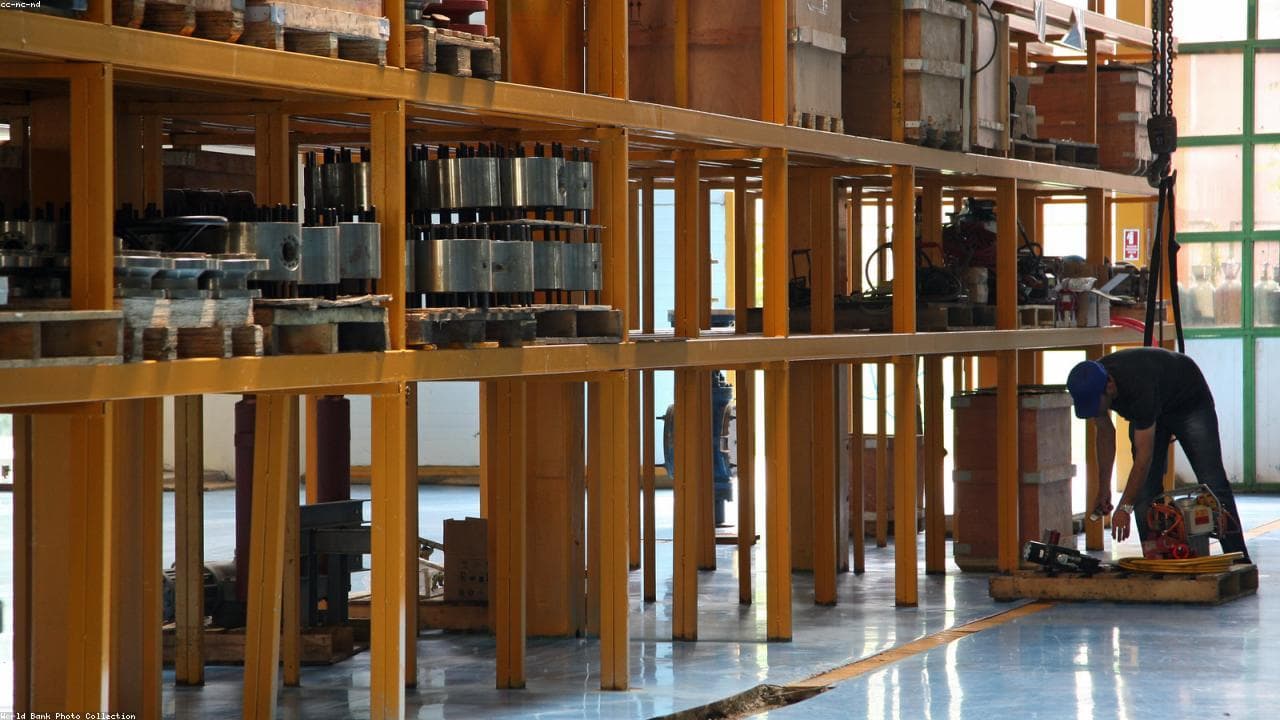
Machine Safety drills for cement in Chennai.
Book a walkthrough or start a focused pilot on your site.