

Lone Working VR training for mining in Bengaluru.
Bengaluru, Karnataka — aerospace, machinery and manufacturing hub (Peenya and Bommasandra industrial areas). Rehearse check-in discipline, risk assessment and self-rescue for tasks performed alone or out of sight of others.
Lone Working VR training for mining in Bengaluru
DrillXR Lone Working trains the discipline that keeps a solitary worker safe when there is no colleague nearby to spot trouble or raise the alarm. The simulation reproduces the failure modes that make working alone uniquely dangerous: incapacitation with no one present to call for help, loss of communication that leaves a worker cut off, the delayed emergency response that follows when no one knows a person is in difficulty, and an unassessed task risk escalating because there is no second pair of eyes. Inside the headset the trainee assesses whether the task may safely be done alone, sets up communication and a check-in schedule, conducts the work within agreed limits, recognises and responds to a deteriorating situation, and finally raises the alarm and either self-rescues or holds a safe position until help arrives.
Lone working is common across remote plant, pump stations, isolated mine workings and after-hours warehouse shifts, and the duty of care does not weaken because a worker is alone. The Factories Act 1948 places a general duty on the occupier for worker safety that applies equally to solitary tasks, the Mines Act 1952 and DGMS guidance address isolated working underground and at surface installations, and each site governs the practice with a lone-working standard operating procedure. The classic incident is a worker who suffers a fall or collapse and lies undiscovered because no check-in was missed, or whose radio failed and went unnoticed. DrillXR rehearses the check-in, the communication plan and the self-rescue response repeatedly, so the habit of staying contactable and recognising trouble early is built before a worker is sent out alone.
Lone Working training for Bengaluru’s industrial base
Beyond its software reputation, Bengaluru carries a substantial hard-manufacturing economy concentrated in the Peenya and Bommasandra industrial areas. Peenya, one of Asia's largest industrial estates, is a dense grid of machinery, machine-tool, electrical-equipment and precision-engineering units. Bommasandra to the south blends general manufacturing with pharma and electronics. Layered over this is Bengaluru's aerospace and defence manufacturing base — public-sector heavyweights and a growing private supplier ecosystem producing high-precision, high-consequence components. The city's industrial workforce is large, skilled and shift-based, spread across thousands of small and mid-sized units.
Bengaluru's machinery-heavy base makes machine-interaction the defining hazard: an unguarded nip point, a defeated interlock, or a machine that restarts during maintenance because isolation was incomplete. These failures are sudden and severe, and they are not reliably prevented by a slide deck. VR builds the right reflexes. In the headset an operator identifies guards and interlocks, confirms safe-stop, and practises lock-and-verify before access until the sequence is automatic — and the system scores every attempt. For Peenya's thousands of engineering units and Bommasandra's manufacturers, and especially for aerospace and defence suppliers whose customers demand documented competence, that assessed, repeatable record is far more credible than an attendance register. It also lets a multi-unit operator hold every site and every shift to the same measurable safety standard.
Inside a lone working drill
The session places the trainee at the start of a task that must be performed alone, at a remote installation or an isolated part of the site. They begin by assessing the task and confirming it is one permitted to be done solo, rather than assuming so. They set up their communication and agree a check-in schedule with a base or supervisor, establishing the lifeline before work starts. They conduct the work within the agreed limits, and the scenario introduces a deteriorating condition, a developing hazard, a feeling of incapacitation, or a communication failure. The trainee must recognise the early signs and respond rather than press on. The run reaches its decisive point as they raise the alarm through the agreed means and either self-rescue to safety or hold a safe position and await help; a missed check-in, an ignored warning, or an unraised alarm all register against the score.
Mining risk in focus
Mining's failure modes are dominated by atmosphere and movement. Confined-space and gas hazards — oxygen deficiency, methane or other toxic accumulations in headings, bunkers and sumps — kill quickly and often claim would-be rescuers too. Heavy-vehicle interaction on surface operations, where dumpers and shovels share ground with light vehicles and people in poor visibility, is a persistent cause of fatalities. Rockfall and ground failure remain ever-present underground, and when an incident does escalate, a disorganised or delayed emergency egress is what turns a survivable event into a multiple-fatality disaster. Each of these is a coordination and procedure problem that a written exam cannot validate.
Go deeper on the Lone Working module, VR training for mining, or all training in Bengaluru.
The hazards drilled
- incapacitation with no one to raise the alarm
- loss of communication
- delayed emergency response
- unassessed task risk escalating alone
Mining risks in Bengaluru
- confined space & gas hazards
- heavy-vehicle interaction
- rockfall
- emergency egress
The scored procedure
- 01Assess the task and confirm it is permitted alone
- 02Set up communication and a check-in schedule
- 03Conduct the work within agreed limits
- 04Recognise and respond to a deteriorating situation
- 05Raise the alarm and self-rescue or hold position
Compliance mapping
Related drills for mining
Explore the Lone Working module, VR training for mining, or all training in Bengaluru.
Lone Working VR training in Bengaluru — FAQs
Why run lone working VR training for mining in Bengaluru?
Bengaluru is aerospace, machinery and manufacturing hub (Peenya and Bommasandra industrial areas). Mining teams there face confined space & gas hazards, heavy-vehicle interaction, rockfall. DrillXR lets crews rehearse lone working safely and repeatably, with scored, audit-ready evidence.
What does the Lone Working simulation cover?
Rehearse check-in discipline, risk assessment and self-rescue for tasks performed alone or out of sight of others. It reproduces incapacitation with no one to raise the alarm, loss of communication, delayed emergency response.
Which regulations apply?
Factories Act 1948 (duty of care to workers); Mines Act 1952 / DGMS guidance (isolated working); site lone-working standard operating procedure; Mines Act 1952; DGMS circulars; Mines Rules / Vocational Training Rules.
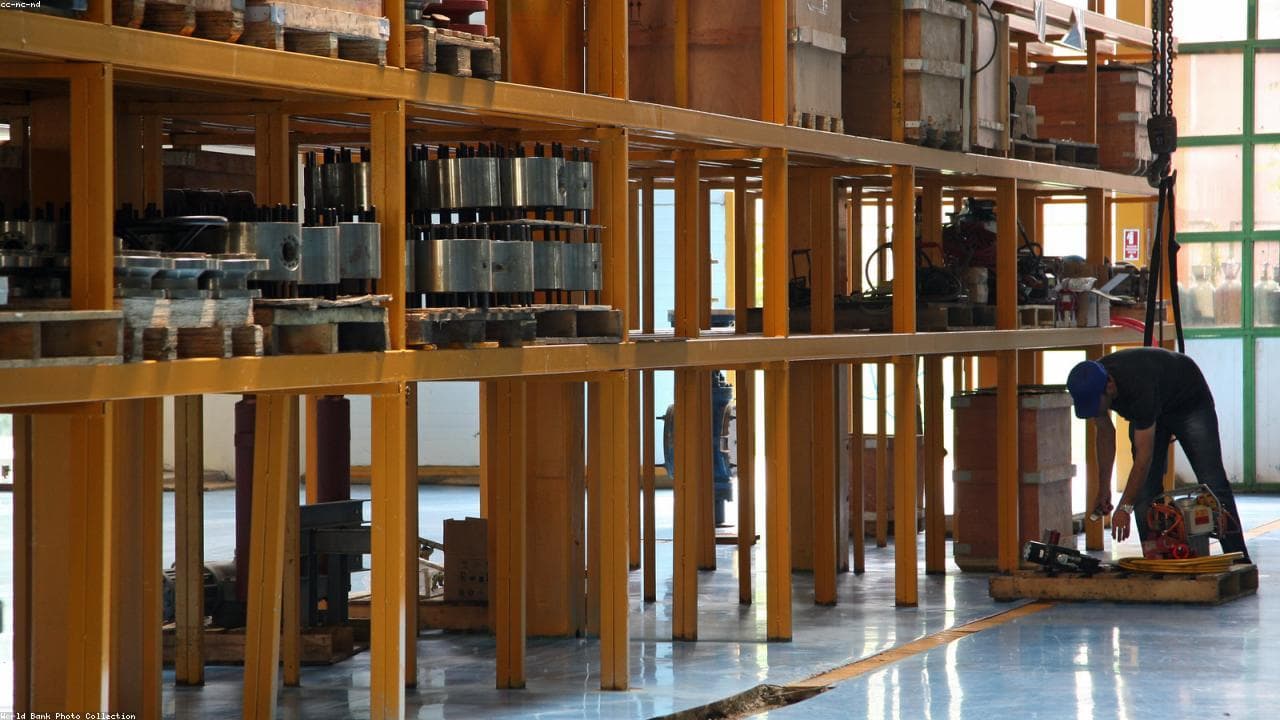
Lone Working drills for mining in Bengaluru.
Book a walkthrough or start a focused pilot on your site.