
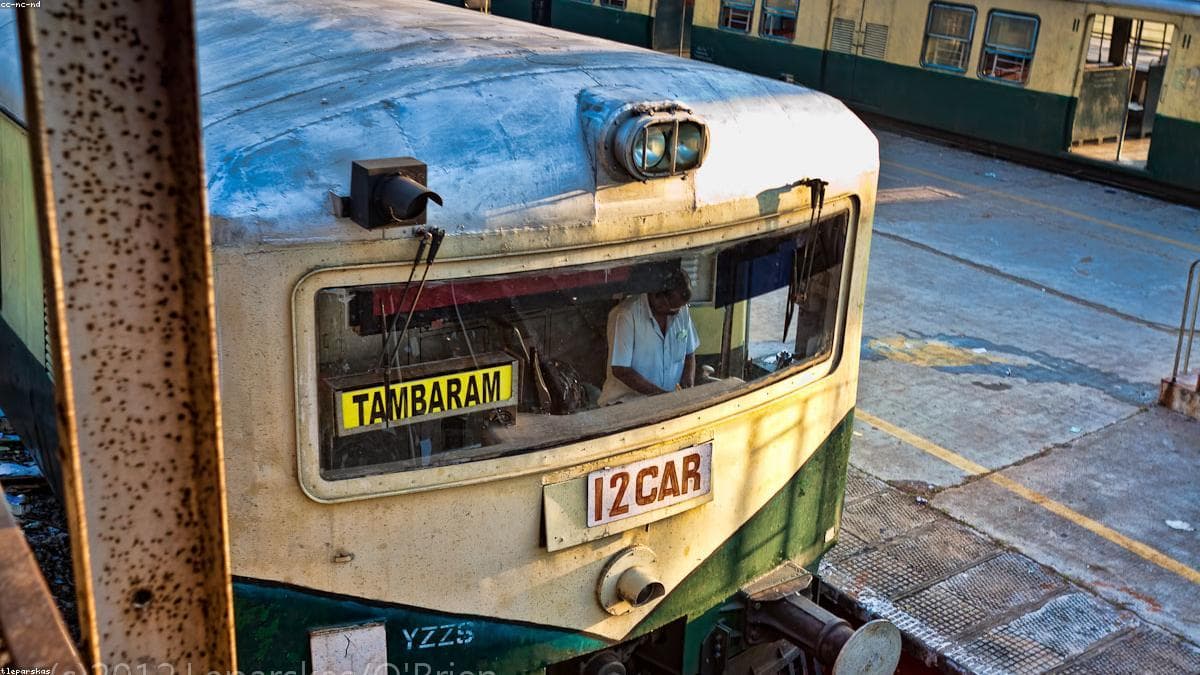
Laser Safety VR training for automotive in Chennai.
Chennai, Tamil Nadu — automotive and heavy-engineering hub (Sriperumbudur–Oragadam auto cluster). Drill beam control, interlock discipline and eye protection for industrial laser work so exposure to the beam and reflections is prevented before it reaches an eye.
Laser Safety VR training for automotive in Chennai
DrillXR Laser Safety trains the beam discipline that prevents an industrial laser from injuring an eye in the instant before anyone realises the beam was exposed. The simulation reproduces the failures that cause laser injuries: eye injury from the direct, reflected or scattered beam, skin burns from beam exposure, the specular reflection that bounces a high-power beam off shiny tooling, fixtures and workpieces in an unexpected direction, and the defeated interlocks and uncontrolled access that let someone into the beam path. Inside the headset the trainee confirms the laser class, its controls and their authorisation to operate, establishes the controlled area and verifies the interlocks and warning signage, wears the correct laser eyewear for the wavelength and power, controls the beam path and removes specular reflectors, and shuts down safely while responding to an exposure or alignment fault. The discipline being built is class-aware, interlock-respecting, and never assume the beam path is contained.
Industrial lasers are widespread in cutting, welding, marking and alignment, and the hazard is that a high-power beam is silent, can be invisible at some wavelengths, and reflects off ordinary shiny surfaces. The Factories Act 1948 carries duties to protect workers from injurious radiation and to guard machinery safely, the relevant BIS standard for the safety of laser products defines the laser classes and the labelling that drives the controls, and every laser operation runs a laser safety programme with an LSO-supervised standard operating procedure. The classic incident is not ignorance but routine: an interlock defeated to speed up alignment, eyewear of the wrong wavelength worn with false confidence, or a specular reflector left in the beam path. A classroom cannot reproduce a reflected beam finding an eye; DrillXR lets the trainee see the reflection geometry and the consequence of a defeated interlock on a virtual cell where the only cost is a lower score.
Laser Safety training for Chennai’s industrial base
Chennai is India's automotive capital, and the Sriperumbudur–Oragadam corridor on the city's western fringe is the beating heart of it. The cluster hosts global car and commercial-vehicle OEMs, two-wheeler plants, a dense tier-one and tier-two supplier ecosystem, and the stamping, welding, painting and assembly operations that feed them. Heavy-engineering and electronics manufacturing round out the base. With several large assembly plants and hundreds of feeder units operating on tightly synchronised just-in-time schedules, the corridor runs continuous high-tempo production where a safety stoppage at one supplier can cascade through the whole line.
The economics of Chennai's auto corridor make undertrained operators expensive and dangerous in equal measure: a machine-interaction injury or a press incident stops a line that an OEM is counting on for just-in-time delivery. Classroom safety briefings cannot reliably build the muscle memory a press operator or a robotic-cell technician needs, and they leave no objective evidence of competence. VR does both. In the headset, an operator can confirm safe-stop and lock-and-verify before reaching into a cell, rehearse a weld-line hazard, and practise a line-side evacuation until the response is reflexive — and every attempt produces a score. For Sriperumbudur and Oragadam suppliers under constant OEM audit, that scored, repeatable record is what turns a training claim into demonstrable proof, across permanent and contract workers alike.
Inside a laser safety drill
A session places the trainee at an industrial laser cell with a task to run. They begin by confirming the laser class, its engineered controls, and their own authorisation to operate it, rather than starting on assumption; operating beyond authorisation or misreading the class costs against the score. They establish the controlled area and verify the interlocks and the warning signage are in place and working, and the scenario penalises defeating an interlock to save time. They select and wear the correct laser eyewear for the wavelength and power, and the run rewards matching the eyewear to the actual hazard rather than grabbing any pair. They control the beam path and identify and remove specular reflectors, shiny tooling or fixtures that could bounce the beam, and the simulation shows a reflection finding a person if a reflector is left in place. The run closes as the trainee shuts down safely and responds correctly to an exposure or an alignment fault; a defeated interlock, wrong eyewear, or an uncontrolled reflector all register against the result.
Automotive risk in focus
Automotive failure modes are line-side and machine-driven. Robot and machine interaction causes crushing and impact injuries when a worker enters an active envelope or a cell restarts unexpectedly during intervention. Press and weld hazards — point-of-operation injuries, ejected parts, burns and arc exposure — are concentrated in body and stamping shops where access for setting and clearing is frequent. Material-handling incidents arise from the relentless forklift, tugger and conveyor movement feeding the line. And fire risk attends paint shops and battery and component areas. Each is an unexpected-motion or access failure that energy isolation and machine discipline, done right every time, prevents.
Go deeper on the Laser Safety module, VR training for automotive, or all training in Chennai.
The hazards drilled
- eye injury from direct, reflected or scattered beam
- skin burns from beam exposure
- specular reflection off tooling, fixtures and workpieces
- defeated interlocks and uncontrolled access to the beam path
Automotive risks in Chennai
- robot/machine interaction
- press & weld hazards
- material handling
- fire
The scored procedure
- 01Confirm the laser class, controls and authorisation to operate
- 02Establish the controlled area and verify interlocks and signage
- 03Wear the correct laser eyewear for the wavelength and power
- 04Control the beam path and remove specular reflectors
- 05Shut down safely and respond to an exposure or alignment fault
Compliance mapping
Related drills for automotive
Explore the Laser Safety module, VR training for automotive, or all training in Chennai.
Laser Safety VR training in Chennai — FAQs
Why run laser safety VR training for automotive in Chennai?
Chennai is automotive and heavy-engineering hub (Sriperumbudur–Oragadam auto cluster). Automotive teams there face robot/machine interaction, press & weld hazards, material handling. DrillXR lets crews rehearse laser safety safely and repeatably, with scored, audit-ready evidence.
What does the Laser Safety simulation cover?
Drill beam control, interlock discipline and eye protection for industrial laser work so exposure to the beam and reflections is prevented before it reaches an eye. It reproduces eye injury from direct, reflected or scattered beam, skin burns from beam exposure, specular reflection off tooling, fixtures and workpieces.
Which regulations apply?
Factories Act 1948 (protection from injurious radiation and safe machinery duties); BIS standard for safety of laser products (laser class and labelling); site laser safety programme and LSO-supervised standard operating procedure; Factories Act 1948; BIS machinery standards; OEM safety SOPs.
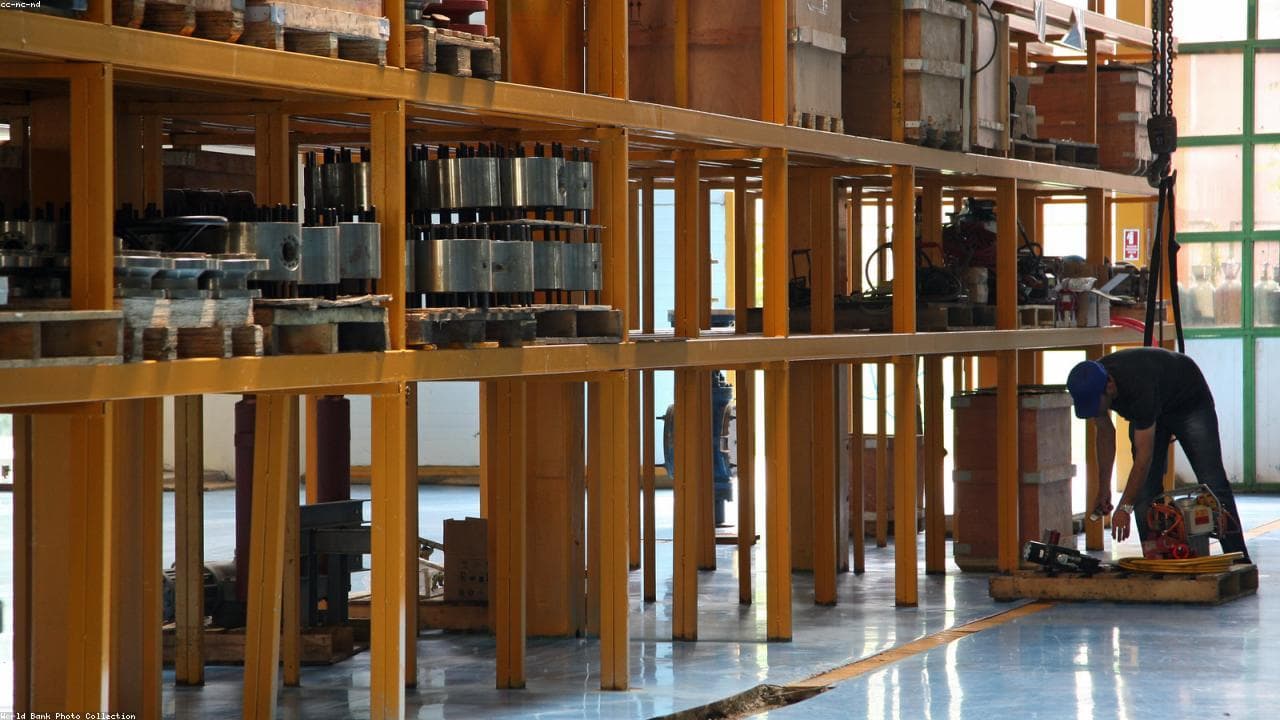
Laser Safety drills for automotive in Chennai.
Book a walkthrough or start a focused pilot on your site.