
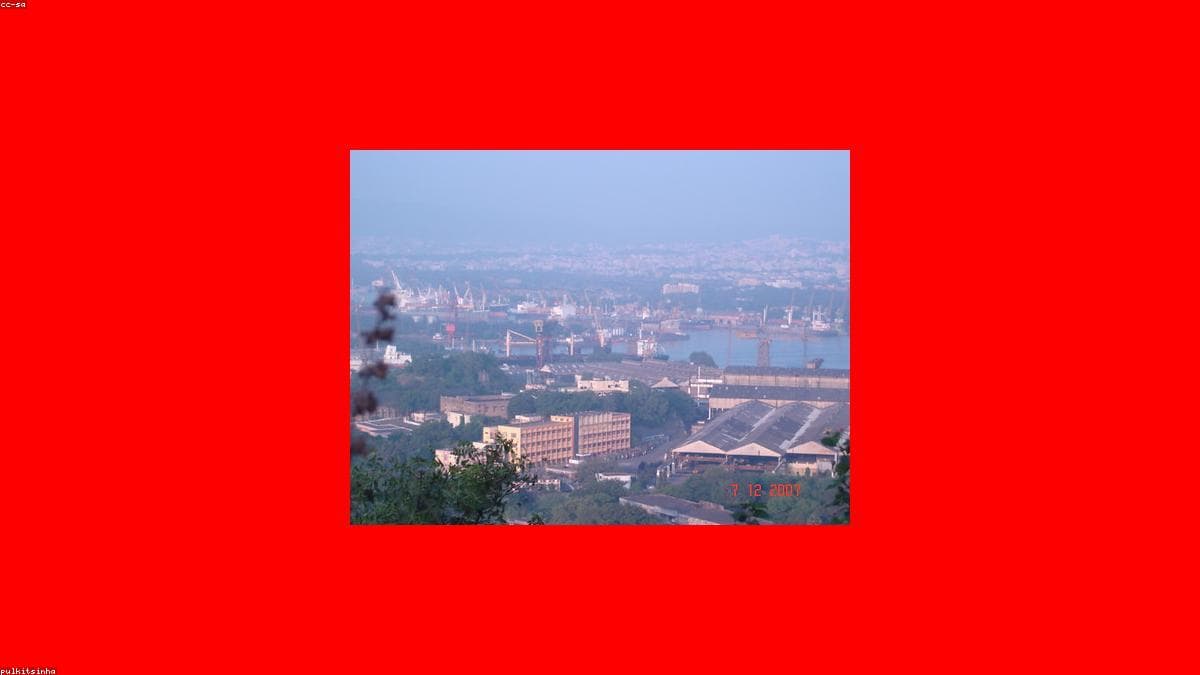
Incident Investigation & Root Cause VR training for oil & gas in Visakhapatnam.
Visakhapatnam, Andhra Pradesh — steel, port and petrochemicals hub (the Visakhapatnam port and petro cluster). Walk a multi-role team through scene preservation, evidence gathering and root-cause analysis of a simulated incident.
Incident Investigation & Root Cause VR training for oil & gas in Visakhapatnam
DrillXR Incident Investigation and Root Cause is a multiplayer, role-based exercise that trains a team to investigate a workplace incident properly, so the organisation learns the real cause rather than naming a culprit. The simulation reproduces the failures that produce shallow, repeat-incident investigations: lost or contaminated evidence when the scene is not preserved, a blame-focused inquiry that stops at the person rather than the system, a root-cause analysis that mistakes a symptom for a cause, and corrective actions that are vague, unowned and never close the gap. Inside the headset the team works the procedure together: securing and preserving the scene, gathering physical evidence and witness accounts, building an accurate timeline of events, analysing down to root cause, and defining and assigning corrective actions. The exercise is collaborative because real investigations are run by a team, and the quality of the analysis is what gets measured.
A weak investigation guarantees the incident recurs, and the obligation to investigate properly is statutory. The Factories Act 1948 requires the notice and investigation of accidents and dangerous occurrences, the Manufacture, Storage and Import of Hazardous Chemicals Rules carry their own incident-reporting and analysis duties for hazardous installations, and every mature site runs an incident-investigation standard operating procedure. The familiar failure is an investigation that trampled the scene, leaned on the loudest witness, blamed the operator, and closed with a corrective action of "be more careful". DrillXR puts a real team through a shared incident scene where those failures surface, the contaminated evidence, the unbuilt timeline, the shallow root cause, and can be corrected, building the discipline of a cause-focused, evidence-led investigation before a real incident demands one.
Incident Investigation & Root Cause training for Visakhapatnam’s industrial base
Visakhapatnam is the industrial and maritime anchor of Andhra Pradesh, where a major deep-water port, integrated steel production and a cluster of petrochemical and process industries converge on the coast. The Visakhapatnam port — one of India's largest by cargo — drives bulk handling, container operations and terminal logistics, while the integrated steel plant and the surrounding petrochemical, refining and chemical units make the city a heavy-process hub. This combination of port operations and continuous-process industry gives Vizag a distinctive dual hazard profile: dockside lifting, traffic and confined holds on one side, and process-safety, confined vessels and hot work on the other.
Vizag's blend of port and heavy-process industry concentrates hazards that are both varied and severe: a lifting failure or hold entry at the port, a confined-vessel entry or hot-metal incident at the steel plant, a process-safety or fire event in the petro cluster. These cannot be safely staged on the real asset, and a workforce split across docks, mills and process units needs more than a generic classroom briefing. VR delivers targeted, assessed rehearsal. A dock worker can practise safe lifting and confined-hold entry, a steel operator machine isolation, and a process technician spill response and emergency coordination — each scored on every attempt. For MAH petro units and port operators answering to several regulators at once, that immersive, reproducible competence record is the strongest, most defensible evidence available.
Inside a incident investigation & root cause drill
Several trainees enter a shared virtual site where an incident has just occurred, taking the roles of an investigation team. Their first collective duty is to secure and preserve the scene, controlling access before evidence is trampled or moved; a disturbed scene costs against the result. They then gather evidence, photographing positions, noting conditions, and taking witness accounts, and the simulation rewards reconciling conflicting accounts rather than accepting the first. The team builds a timeline of events, sequencing what happened and surfacing the gaps. They analyse toward root cause, and the scenario penalises stopping at an immediate cause or an individual's error when a systemic factor lies beneath it. The exercise closes as the team defines corrective actions that are specific, owned and dated, rather than the vague "retrain the operator" that fixes nothing; weak or unassigned actions register against the score.
Oil & Gas risk in focus
Oil and gas failure modes are process-driven and unforgiving. Process-safety events — loss of containment, runaway pressure or temperature, ignition of a release — are the headline catastrophic risk. H2S exposure can incapacitate or kill within seconds and demands instant, correct PPE and rescue behaviour. Hot-work ignition occurs when a permit fails to account for residual hydrocarbons or inadequate gas testing near welding and cutting. Confined-space entry into tanks, vessels and sumps combines toxic-atmosphere, engulfment and entrapment hazards with the recurring tragedy of untrained rescuers becoming the next casualties. Every one of these turns on procedure discipline under stress.
Go deeper on the Incident Investigation & Root Cause module, VR training for oil & gas, or all training in Visakhapatnam.
The hazards drilled
- lost or contaminated evidence
- blame-focused rather than cause-focused inquiry
- shallow root-cause analysis
- ineffective corrective actions
Oil & Gas risks in Visakhapatnam
- process-safety events
- H2S exposure
- hot-work ignition
- confined-space entry
The scored procedure
- 01Secure and preserve the scene
- 02Gather evidence and witness accounts
- 03Build the timeline of events
- 04Analyse to root cause
- 05Define and assign corrective actions
Compliance mapping
Related drills for oil & gas
Explore the Incident Investigation & Root Cause module, VR training for oil & gas, or all training in Visakhapatnam.
Incident Investigation & Root Cause VR training in Visakhapatnam — FAQs
Why run incident investigation & root cause VR training for oil & gas in Visakhapatnam?
Visakhapatnam is steel, port and petrochemicals hub (the Visakhapatnam port and petro cluster). Oil & Gas teams there face process-safety events, H2S exposure, hot-work ignition. DrillXR lets crews rehearse incident investigation & root cause safely and repeatably, with scored, audit-ready evidence.
What does the Incident Investigation & Root Cause simulation cover?
Walk a multi-role team through scene preservation, evidence gathering and root-cause analysis of a simulated incident. It reproduces lost or contaminated evidence, blame-focused rather than cause-focused inquiry, shallow root-cause analysis.
Which regulations apply?
Factories Act 1948 (notice & investigation of accidents); Manufacture, Storage & Import of Hazardous Chemicals Rules (incident reporting); site incident-investigation standard operating procedure; OISD standards; PESO (explosives/pressure); Factories Act 1948.
Incident Investigation & Root Cause drills for oil & gas in Visakhapatnam.
Book a walkthrough or start a focused pilot on your site.