
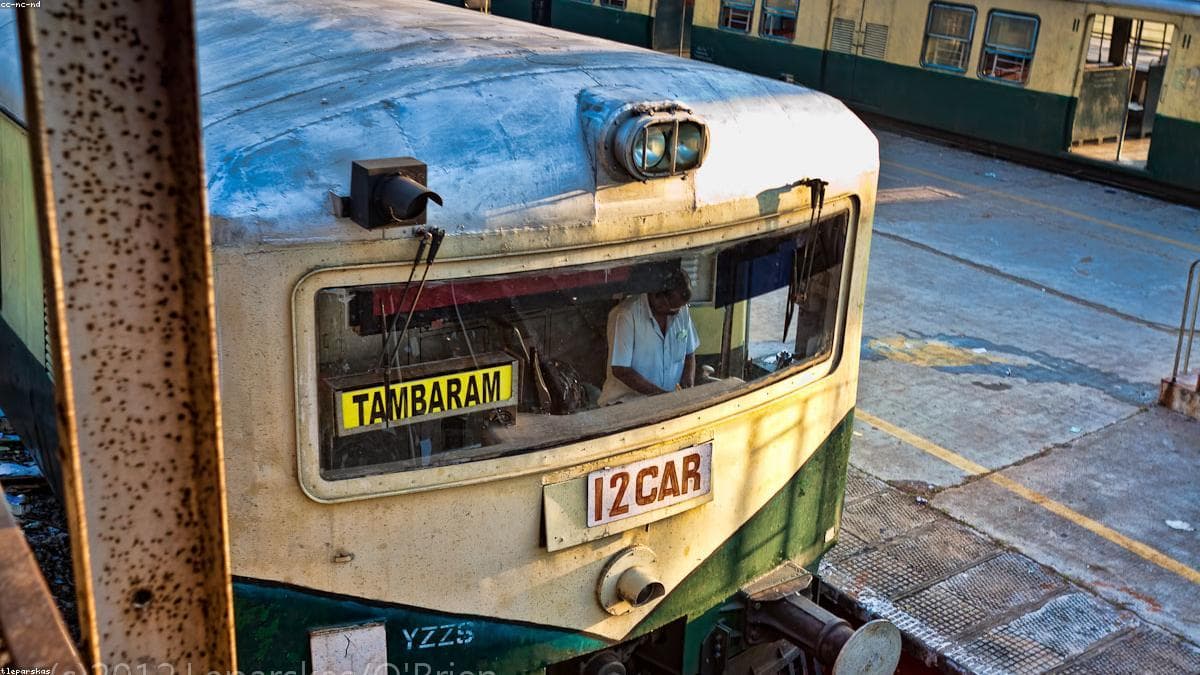
Incident Investigation & Root Cause VR training for manufacturing in Chennai.
Chennai, Tamil Nadu — automotive and heavy-engineering hub (Sriperumbudur–Oragadam auto cluster). Walk a multi-role team through scene preservation, evidence gathering and root-cause analysis of a simulated incident.
Incident Investigation & Root Cause VR training for manufacturing in Chennai
DrillXR Incident Investigation and Root Cause is a multiplayer, role-based exercise that trains a team to investigate a workplace incident properly, so the organisation learns the real cause rather than naming a culprit. The simulation reproduces the failures that produce shallow, repeat-incident investigations: lost or contaminated evidence when the scene is not preserved, a blame-focused inquiry that stops at the person rather than the system, a root-cause analysis that mistakes a symptom for a cause, and corrective actions that are vague, unowned and never close the gap. Inside the headset the team works the procedure together: securing and preserving the scene, gathering physical evidence and witness accounts, building an accurate timeline of events, analysing down to root cause, and defining and assigning corrective actions. The exercise is collaborative because real investigations are run by a team, and the quality of the analysis is what gets measured.
A weak investigation guarantees the incident recurs, and the obligation to investigate properly is statutory. The Factories Act 1948 requires the notice and investigation of accidents and dangerous occurrences, the Manufacture, Storage and Import of Hazardous Chemicals Rules carry their own incident-reporting and analysis duties for hazardous installations, and every mature site runs an incident-investigation standard operating procedure. The familiar failure is an investigation that trampled the scene, leaned on the loudest witness, blamed the operator, and closed with a corrective action of "be more careful". DrillXR puts a real team through a shared incident scene where those failures surface, the contaminated evidence, the unbuilt timeline, the shallow root cause, and can be corrected, building the discipline of a cause-focused, evidence-led investigation before a real incident demands one.
Incident Investigation & Root Cause training for Chennai’s industrial base
Chennai is India's automotive capital, and the Sriperumbudur–Oragadam corridor on the city's western fringe is the beating heart of it. The cluster hosts global car and commercial-vehicle OEMs, two-wheeler plants, a dense tier-one and tier-two supplier ecosystem, and the stamping, welding, painting and assembly operations that feed them. Heavy-engineering and electronics manufacturing round out the base. With several large assembly plants and hundreds of feeder units operating on tightly synchronised just-in-time schedules, the corridor runs continuous high-tempo production where a safety stoppage at one supplier can cascade through the whole line.
The economics of Chennai's auto corridor make undertrained operators expensive and dangerous in equal measure: a machine-interaction injury or a press incident stops a line that an OEM is counting on for just-in-time delivery. Classroom safety briefings cannot reliably build the muscle memory a press operator or a robotic-cell technician needs, and they leave no objective evidence of competence. VR does both. In the headset, an operator can confirm safe-stop and lock-and-verify before reaching into a cell, rehearse a weld-line hazard, and practise a line-side evacuation until the response is reflexive — and every attempt produces a score. For Sriperumbudur and Oragadam suppliers under constant OEM audit, that scored, repeatable record is what turns a training claim into demonstrable proof, across permanent and contract workers alike.
Inside a incident investigation & root cause drill
Several trainees enter a shared virtual site where an incident has just occurred, taking the roles of an investigation team. Their first collective duty is to secure and preserve the scene, controlling access before evidence is trampled or moved; a disturbed scene costs against the result. They then gather evidence, photographing positions, noting conditions, and taking witness accounts, and the simulation rewards reconciling conflicting accounts rather than accepting the first. The team builds a timeline of events, sequencing what happened and surfacing the gaps. They analyse toward root cause, and the scenario penalises stopping at an immediate cause or an individual's error when a systemic factor lies beneath it. The exercise closes as the team defines corrective actions that are specific, owned and dated, rather than the vague "retrain the operator" that fixes nothing; weak or unassigned actions register against the score.
Manufacturing risk in focus
Manufacturing incidents cluster around a few recurring failure modes. Machine entanglement and nip-point injuries happen when guards are defeated or a machine is accessed before it reaches a true zero-energy state. Material-handling incidents — forklift-pedestrian strikes, load tip-overs, racking collisions — dominate the lost-time statistics on busy shop floors. Fire, from electrical faults, hot work or solvent storage, can move faster than an untrained crew can react, and a poorly rehearsed line-side evacuation turns a containable event into a mass-casualty one. The common thread is that each of these is a procedural failure under pressure, not a knowledge gap a worker can talk their way through on a written test.
Go deeper on the Incident Investigation & Root Cause module, VR training for manufacturing, or all training in Chennai.
The hazards drilled
- lost or contaminated evidence
- blame-focused rather than cause-focused inquiry
- shallow root-cause analysis
- ineffective corrective actions
Manufacturing risks in Chennai
- machine entanglement
- material-handling incidents
- fire
- line-side evacuation
The scored procedure
- 01Secure and preserve the scene
- 02Gather evidence and witness accounts
- 03Build the timeline of events
- 04Analyse to root cause
- 05Define and assign corrective actions
Compliance mapping
Related drills for manufacturing
Explore the Incident Investigation & Root Cause module, VR training for manufacturing, or all training in Chennai.
Incident Investigation & Root Cause VR training in Chennai — FAQs
Why run incident investigation & root cause VR training for manufacturing in Chennai?
Chennai is automotive and heavy-engineering hub (Sriperumbudur–Oragadam auto cluster). Manufacturing teams there face machine entanglement, material-handling incidents, fire. DrillXR lets crews rehearse incident investigation & root cause safely and repeatably, with scored, audit-ready evidence.
What does the Incident Investigation & Root Cause simulation cover?
Walk a multi-role team through scene preservation, evidence gathering and root-cause analysis of a simulated incident. It reproduces lost or contaminated evidence, blame-focused rather than cause-focused inquiry, shallow root-cause analysis.
Which regulations apply?
Factories Act 1948 (notice & investigation of accidents); Manufacture, Storage & Import of Hazardous Chemicals Rules (incident reporting); site incident-investigation standard operating procedure; Factories Act 1948; BIS machinery standards; state Factory Inspectorate.
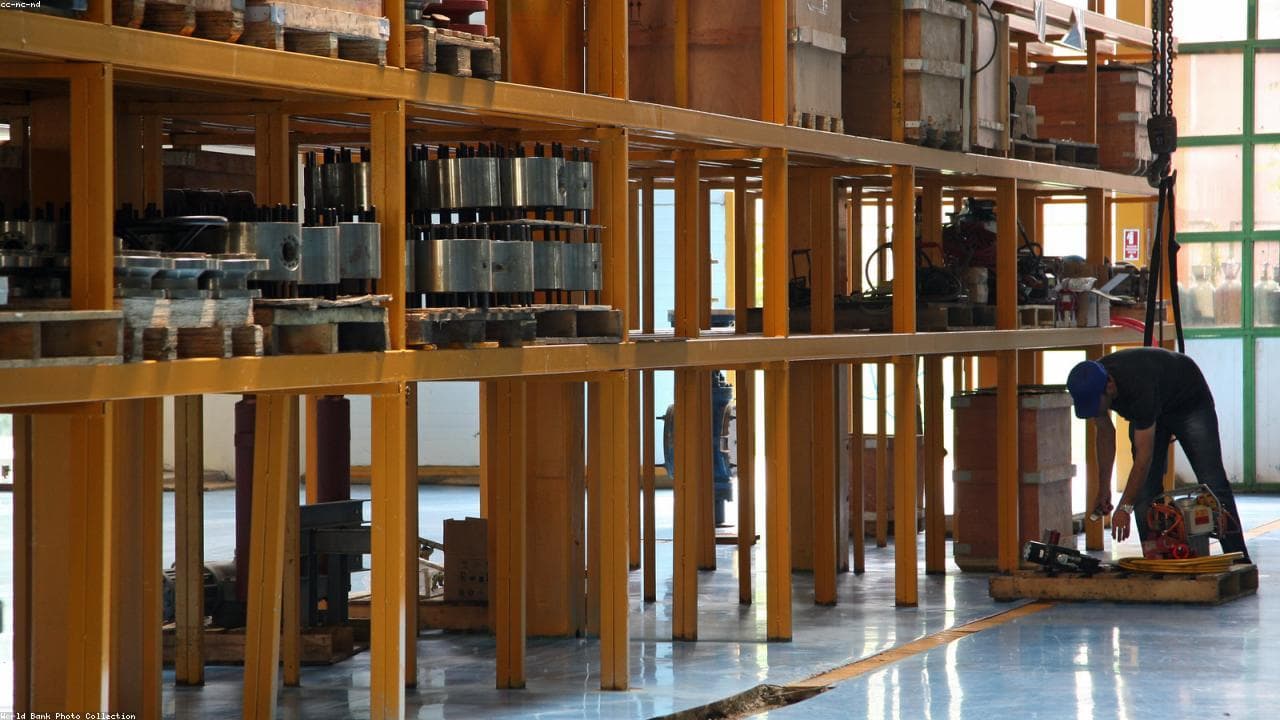
Incident Investigation & Root Cause drills for manufacturing in Chennai.
Book a walkthrough or start a focused pilot on your site.