
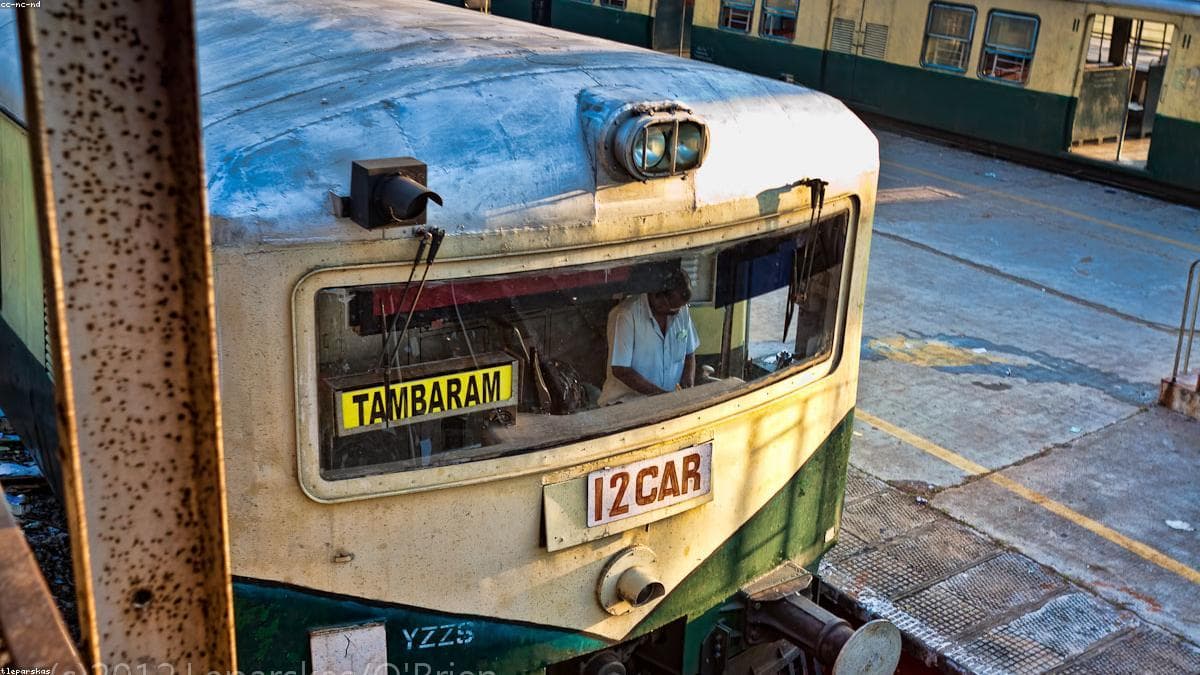
Work-at-Height Rescue VR training for oil & gas in Chennai.
Chennai, Tamil Nadu — automotive and heavy-engineering hub (Sriperumbudur–Oragadam auto cluster). Rehearse the recovery of a fallen, suspended worker against the clock, so a rescue team can act on a plan rather than improvise while suspension trauma sets in.
Work-at-Height Rescue VR training for oil & gas in Chennai
DrillXR Work-at-Height Rescue trains the response that fall-arrest equipment alone cannot provide: getting a suspended worker down quickly and safely before suspension trauma sets in. The simulation reproduces the hazards that turn a survived fall into a fatality: suspension trauma in a worker left hanging in their harness too long, a delayed or unplanned rescue where the team improvises while the clock runs, rescuer falls during a hurried recovery, and secondary casualties from an uncontrolled lower. Inside the headset the rescue team raises the alarm and confirms the rescue plan and equipment, assesses the casualty, the anchors and the access route, establishes a rescuer attachment and reaches the casualty, attaches and takes the load before releasing the casualty's system, and lowers or recovers under control before handing over for first aid. Because a fallen worker has minutes, not hours, the headset trains a planned, rehearsed rescue rather than the improvisation that costs lives.
A fall arrested by a harness is only half a survival; the rescue is the other half, and it is the part most teams have never practised. The Factories Act 1948 requires safe work at height and adequate emergency provision on factory premises, OISD guidelines shape height-rescue arrangements on petroleum installations, and a site rescue plan tied to the work-at-height permit defines who recovers a suspended worker and how. The deadly failure is the absence of a plan: a team that has equipped every worker for fall arrest but never rehearsed reaching and lowering a casualty will lose critical minutes deciding what to do. DrillXR lets a rescue team run the full recovery against the clock, repeatedly, so the plan is proven and the roles are reflexive before a real worker is left hanging.
Work-at-Height Rescue training for Chennai’s industrial base
Chennai is India's automotive capital, and the Sriperumbudur–Oragadam corridor on the city's western fringe is the beating heart of it. The cluster hosts global car and commercial-vehicle OEMs, two-wheeler plants, a dense tier-one and tier-two supplier ecosystem, and the stamping, welding, painting and assembly operations that feed them. Heavy-engineering and electronics manufacturing round out the base. With several large assembly plants and hundreds of feeder units operating on tightly synchronised just-in-time schedules, the corridor runs continuous high-tempo production where a safety stoppage at one supplier can cascade through the whole line.
The economics of Chennai's auto corridor make undertrained operators expensive and dangerous in equal measure: a machine-interaction injury or a press incident stops a line that an OEM is counting on for just-in-time delivery. Classroom safety briefings cannot reliably build the muscle memory a press operator or a robotic-cell technician needs, and they leave no objective evidence of competence. VR does both. In the headset, an operator can confirm safe-stop and lock-and-verify before reaching into a cell, rehearse a weld-line hazard, and practise a line-side evacuation until the response is reflexive — and every attempt produces a score. For Sriperumbudur and Oragadam suppliers under constant OEM audit, that scored, repeatable record is what turns a training claim into demonstrable proof, across permanent and contract workers alike.
Inside a work-at-height rescue drill
The session opens with a worker hanging in their harness after an arrested fall and a rescue team responding. They first raise the alarm and confirm the rescue plan and equipment, establishing that a planned recovery, not improvisation, is the path. They assess the casualty's condition, the anchors available and the safest access route, with a careless approach that ignores the rescuer's own protection penalised. They establish a rescuer attachment and reach the casualty, then attach to the casualty and take their weight before releasing the casualty's fall-arrest system; release before taking the load and the simulation demonstrates the drop it credits them for avoiding. They lower or recover the casualty under control, keeping the descent managed rather than uncontrolled, and avoid the structure on the way down. The run closes as the casualty reaches the ground and is handed over for first aid, the elapsed time recorded.
Oil & Gas risk in focus
Oil and gas failure modes are process-driven and unforgiving. Process-safety events — loss of containment, runaway pressure or temperature, ignition of a release — are the headline catastrophic risk. H2S exposure can incapacitate or kill within seconds and demands instant, correct PPE and rescue behaviour. Hot-work ignition occurs when a permit fails to account for residual hydrocarbons or inadequate gas testing near welding and cutting. Confined-space entry into tanks, vessels and sumps combines toxic-atmosphere, engulfment and entrapment hazards with the recurring tragedy of untrained rescuers becoming the next casualties. Every one of these turns on procedure discipline under stress.
Go deeper on the Work-at-Height Rescue module, VR training for oil & gas, or all training in Chennai.
The hazards drilled
- suspension trauma in a worker left hanging too long
- a delayed or unplanned rescue response
- rescuer falls during an improvised recovery
- secondary casualties from an uncontrolled lower
Oil & Gas risks in Chennai
- process-safety events
- H2S exposure
- hot-work ignition
- confined-space entry
The scored procedure
- 01Raise the alarm and confirm the rescue plan and equipment
- 02Assess the casualty, the anchors and the access route
- 03Establish a rescuer attachment and reach the casualty
- 04Attach, take the load and release the casualty's system
- 05Lower or recover under control and hand over for first aid
Compliance mapping
Related drills for oil & gas
Explore the Work-at-Height Rescue module, VR training for oil & gas, or all training in Chennai.
Work-at-Height Rescue VR training in Chennai — FAQs
Why run work-at-height rescue VR training for oil & gas in Chennai?
Chennai is automotive and heavy-engineering hub (Sriperumbudur–Oragadam auto cluster). Oil & Gas teams there face process-safety events, H2S exposure, hot-work ignition. DrillXR lets crews rehearse work-at-height rescue safely and repeatably, with scored, audit-ready evidence.
What does the Work-at-Height Rescue simulation cover?
Rehearse the recovery of a fallen, suspended worker against the clock, so a rescue team can act on a plan rather than improvise while suspension trauma sets in. It reproduces suspension trauma in a worker left hanging too long, a delayed or unplanned rescue response, rescuer falls during an improvised recovery.
Which regulations apply?
Factories Act 1948 (safe work at height and emergency provision); OISD guidelines (height work in petroleum installations); site rescue plan / work-at-height permit; OISD standards; PESO (explosives/pressure); Factories Act 1948.
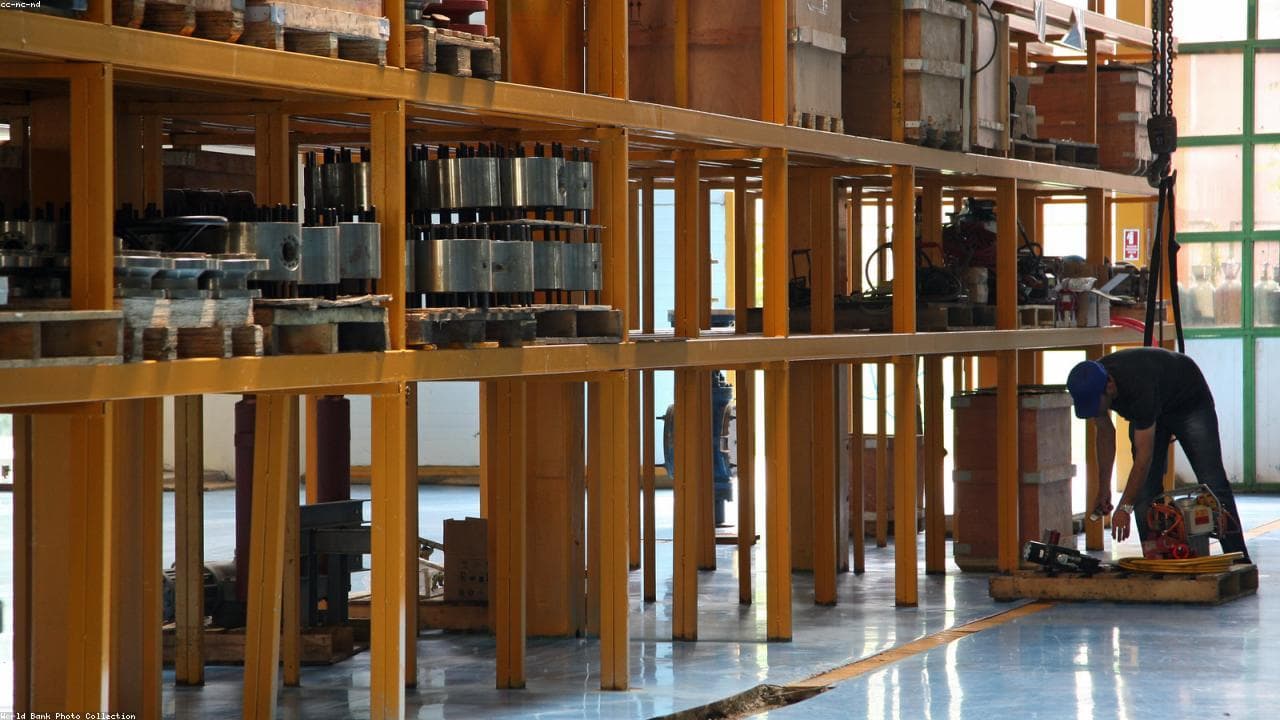
Work-at-Height Rescue drills for oil & gas in Chennai.
Book a walkthrough or start a focused pilot on your site.