
Heat Stress Management VR training for steel in Mumbai.
Mumbai, Maharashtra — chemicals, pharma and ports hub (MIDC, JNPT and the MMR industrial corridor). Rehearse recognising heat-illness warning signs, hydration and work-rest discipline, and the response that stops heat exhaustion becoming heat stroke.
Heat Stress Management VR training for steel in Mumbai
DrillXR Heat Stress Management trains workers to recognise and respond to a hazard that builds quietly and can kill within hours, the heat illness that comes with hot processes, summer construction and confined hot work. The simulation reproduces the failures that turn discomfort into a medical emergency: heat exhaustion and heat stroke, dehydration and electrolyte loss, working through the early warning signs because the job is not finished, and a delayed response when a colleague starts to collapse. Inside the headset the worker assesses heat conditions and their own acclimatisation, plans hydration and work-rest cycles, recognises early heat-illness symptoms, takes shade, cooling and hydration breaks, and responds to and escalates a heat casualty. Because the early signs are easy to dismiss, the headset is built to make them recognisable and the rest-and-hydrate discipline routine.
Heat is a serious and rising risk on Indian sites, where ambient temperatures and hot processes combine. The Factories Act 1948 carries duties around working conditions and occupational health, including ventilation and temperature, the Building and Other Construction Workers Act 1996 sets welfare and rest provision for site workers, and a site heat-stress prevention and occupational health and safety plan defines acclimatisation, hydration and work-rest schedules. The common failure is a worker, often a new or unacclimatised one, pushing through dizziness and cramps to finish a task, with colleagues missing the signs until it becomes heat stroke. A classroom cannot rehearse the in-the-moment judgement to stop and cool down. DrillXR lets workers recognise the symptoms and practise the response before a real shift tests them.
Heat Stress Management training for Mumbai’s industrial base
Mumbai and the wider Mumbai Metropolitan Region form one of India's most complex industrial geographies, where chemicals, pharmaceuticals, ports and logistics collide inside a single dense corridor. The MIDC estates across the MMR, the Jawaharlal Nehru Port (JNPT) at Nhava Sheva and the long industrial belt running through Navi Mumbai, Thane and Taloja put hazardous-chemical processing, bulk storage, container handling and warehousing in close proximity to one of the most crowded urban populations on earth. Many of these are Major Accident Hazard (MAH) units, where a process-safety failure is not a local event but a regional one, and where regulators and surrounding communities watch closely.
In Mumbai's chemical and port economy the worst incidents — a toxic release, a confined-space fatality during tank entry, an uncontrolled spill, a botched emergency response — are precisely the ones that cannot be rehearsed on the real asset without endangering people. That is the gap VR closes. DrillXR lets a worker practise atmospheric testing and permit-to-work before a vessel entry, don the correct PPE for a specific spilled substance, and run a timed, role-based emergency drill where coordination itself is scored, not just individual steps. For MAH units across the MMR whose on-site emergency plans must be demonstrably tested, immersive drills produce a defensible, repeatable competence record that a classroom session and a signed attendance sheet simply cannot. In a region this densely populated, the margin for an undertrained response is unforgiving.
Inside a heat stress management drill
The session places the trainee on a hot site or near a hot process with a task to complete. They first assess the heat conditions and consider their own acclimatisation, recognising that an unacclimatised worker is at higher risk. They plan hydration and work-rest cycles appropriate to the conditions rather than working straight through. As the task proceeds, the simulation introduces early heat-illness symptoms, in themselves and in a co-worker, and the trainee must recognise them rather than dismiss them. They take shade, cooling and hydration breaks at the right points; pushing through is penalised as the condition worsens. When the co-worker begins to collapse, the scenario tests the response: moving them to shade, cooling them, providing fluids if appropriate and escalating to medical help scores, while a delayed or inadequate response is registered against the run.
Steel risk in focus
Steel's failure modes are defined by heat, mass and gas. Molten-metal and hot-work hazards — splashes, runouts and water-metal explosions — produce catastrophic burns and are the sector's most feared events. Crane and material-handling operations move enormous loads over crews, where a rigging error or exclusion-zone breach is instantly fatal. Machine-safety failures on mills, conveyors and shears cause entanglement and crushing, especially during maintenance access. And gas hazards from CO and blast-furnace gas threaten asphyxiation across the plant. Each is a high-energy, low-margin event that procedural discipline — performed correctly every time — is the only reliable defence against.
Go deeper on the Heat Stress Management module, VR training for steel, or all training in Mumbai.
The hazards drilled
- heat exhaustion and heat stroke
- dehydration and electrolyte loss
- working through early warning signs
- delayed response to a collapsing worker
Steel risks in Mumbai
- molten metal & hot work
- crane/material handling
- machine safety
- gas hazards
The scored procedure
- 01Assess heat conditions and acclimatisation
- 02Plan hydration and work-rest cycles
- 03Recognise early heat-illness symptoms
- 04Take shade, cooling and hydration breaks
- 05Respond to and escalate a heat casualty
Compliance mapping
Related drills for steel
Explore the Heat Stress Management module, VR training for steel, or all training in Mumbai.
Heat Stress Management VR training in Mumbai — FAQs
Why run heat stress management VR training for steel in Mumbai?
Mumbai is chemicals, pharma and ports hub (MIDC, JNPT and the MMR industrial corridor). Steel teams there face molten metal & hot work, crane/material handling, machine safety. DrillXR lets crews rehearse heat stress management safely and repeatably, with scored, audit-ready evidence.
What does the Heat Stress Management simulation cover?
Rehearse recognising heat-illness warning signs, hydration and work-rest discipline, and the response that stops heat exhaustion becoming heat stroke. It reproduces heat exhaustion and heat stroke, dehydration and electrolyte loss, working through early warning signs.
Which regulations apply?
Factories Act 1948 (working conditions and occupational health); BOCW Act 1996 (welfare and rest provision on sites); site heat-stress prevention and OH&S plan; Factories Act 1948; BIS standards; site safety SOPs.
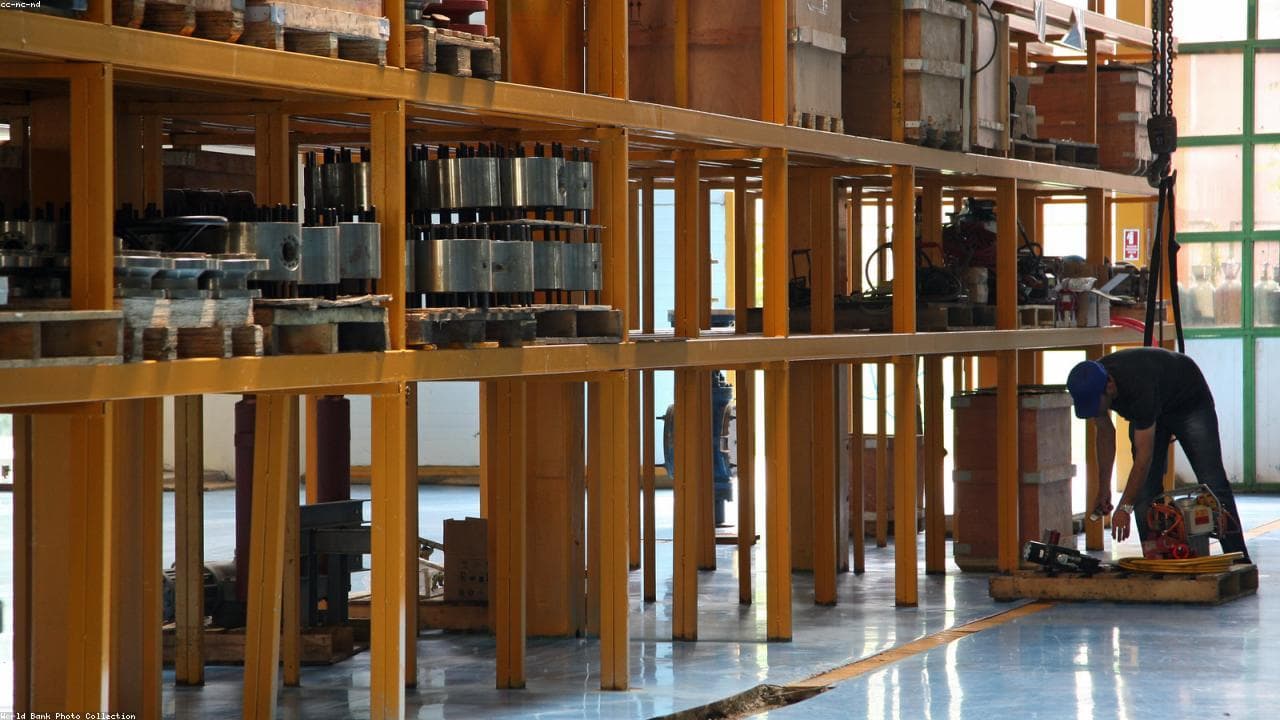
Heat Stress Management drills for steel in Mumbai.
Book a walkthrough or start a focused pilot on your site.