

Noise & Hearing Conservation VR training for steel in Pune.
Pune, Maharashtra — auto, engineering and manufacturing belt (Chakan–Talegaon and Ranjangaon industrial clusters). Train workers to recognise noise hazards, select and fit hearing protection correctly and understand why noise-induced hearing loss is permanent.
Noise & Hearing Conservation VR training for steel in Pune
DrillXR Noise and Hearing Conservation trains workers to take seriously a hazard they cannot see and whose damage they cannot feel until it is permanent. The simulation reproduces the failures that drive noise-induced hearing loss: exposure above the noise action level, hearing protection with the wrong attenuation for the noise present, protectors that are poorly fitted or simply not worn, and the slow cumulative damage that builds shift after shift. Inside the headset the worker identifies noisy zones and their signage, selects hearing protection by its attenuation rating, inspects and fits the protector correctly, wears it continuously inside the noise zone, and reports defects and noise concerns. Because hearing loss is gradual and irreversible, the headset is built to make the invisible hazard concrete and the discipline of always wearing protection automatic.
Noise is one of the most under-respected occupational hazards precisely because its harm is silent and slow. The Factories Act 1948 carries duties around noise control and occupational health, the Mines Act 1952 and DGMS guidance address noise exposure in mining, and a site noise-monitoring and hearing-conservation programme defines action levels, protection and audiometry. The common failure is not a lack of protectors but workers removing them to communicate, choosing a protector that under-attenuates the actual noise, or wearing earplugs so loosely they do nothing. A classroom cannot convey why a few unprotected minutes a day add up to deafness. DrillXR lets a workforce experience the noise environment, rehearse correct selection and fit, and build the wear-it-every-time habit before the damage is done.
Noise & Hearing Conservation training for Pune’s industrial base
Pune is one of western India's most concentrated manufacturing economies, anchored by the Chakan–Talegaon belt and the Ranjangaon industrial cluster on the Pune–Ahmednagar axis. The corridor packs automotive OEMs, two-wheeler giants, tier-one component suppliers, precision engineering shops and a deep bench of forging, casting and machining units into a relatively tight geography. Shift-based production runs around the clock, and a large share of the workforce is contract and migrant labour that rotates frequently between plants. That combination — high-throughput lines, heavy material handling and a constantly refreshing operator pool — makes consistent, repeatable safety competence one of the hardest operational problems a Pune plant manager has to solve.
Pune's manufacturing density means a single unsafe forklift turn, a defeated machine guard or a slow line-side evacuation can stop production across a tier-one supplier and ripple straight up to the OEM. Traditional induction — a slide deck, a signed register, a walk of the shop — does not reliably transfer competence to a workforce that turns over quickly and often does not share a first language with the trainer. VR changes the economics of that problem. A new operator can rehearse a tip-over, a pedestrian near-miss or a press lockout in the headset until the correct response is automatic, and the plant gets a numerical score for every attempt rather than a signature on a sheet. For Chakan and Ranjangaon suppliers under continuous OEM audit, that assessable, repeatable record is the difference between claiming training happened and proving it did.
Inside a noise & hearing conservation drill
The session places the trainee at the edge of a plant area with varying noise levels. They first identify the noisy zones and read the signage, recognising where hearing protection is mandatory rather than guessing. They select a protector by its attenuation rating, matching it to the noise level present; choose an under-rated plug and the simulation registers continued harmful exposure. They inspect the protector for damage and fit it correctly, rolling and seating an earplug or sealing an earmuff properly, with a poor fit flagged. They then move through the noise zone and must keep protection on continuously, resisting the temptation to remove it to talk; pulling it off inside the zone is penalised. The run closes as the worker reports a defective protector and a noise concern, completing the loop that keeps the programme working.
Steel risk in focus
Steel's failure modes are defined by heat, mass and gas. Molten-metal and hot-work hazards — splashes, runouts and water-metal explosions — produce catastrophic burns and are the sector's most feared events. Crane and material-handling operations move enormous loads over crews, where a rigging error or exclusion-zone breach is instantly fatal. Machine-safety failures on mills, conveyors and shears cause entanglement and crushing, especially during maintenance access. And gas hazards from CO and blast-furnace gas threaten asphyxiation across the plant. Each is a high-energy, low-margin event that procedural discipline — performed correctly every time — is the only reliable defence against.
Go deeper on the Noise & Hearing Conservation module, VR training for steel, or all training in Pune.
The hazards drilled
- exposure above the noise action level
- wrong attenuation for the noise level
- poorly fitted or unworn protectors
- cumulative noise-induced hearing loss
Steel risks in Pune
- molten metal & hot work
- crane/material handling
- machine safety
- gas hazards
The scored procedure
- 01Identify noisy zones and signage
- 02Select hearing protection by attenuation rating
- 03Inspect and fit the protector correctly
- 04Wear continuously inside the noise zone
- 05Report defects and noise concerns
Compliance mapping
Related drills for steel
Explore the Noise & Hearing Conservation module, VR training for steel, or all training in Pune.
Noise & Hearing Conservation VR training in Pune — FAQs
Why run noise & hearing conservation VR training for steel in Pune?
Pune is auto, engineering and manufacturing belt (Chakan–Talegaon and Ranjangaon industrial clusters). Steel teams there face molten metal & hot work, crane/material handling, machine safety. DrillXR lets crews rehearse noise & hearing conservation safely and repeatably, with scored, audit-ready evidence.
What does the Noise & Hearing Conservation simulation cover?
Train workers to recognise noise hazards, select and fit hearing protection correctly and understand why noise-induced hearing loss is permanent. It reproduces exposure above the noise action level, wrong attenuation for the noise level, poorly fitted or unworn protectors.
Which regulations apply?
Factories Act 1948 (noise control and occupational health); Mines Act 1952 / DGMS guidance on noise exposure; site noise-monitoring and hearing-conservation programme; Factories Act 1948; BIS standards; site safety SOPs.
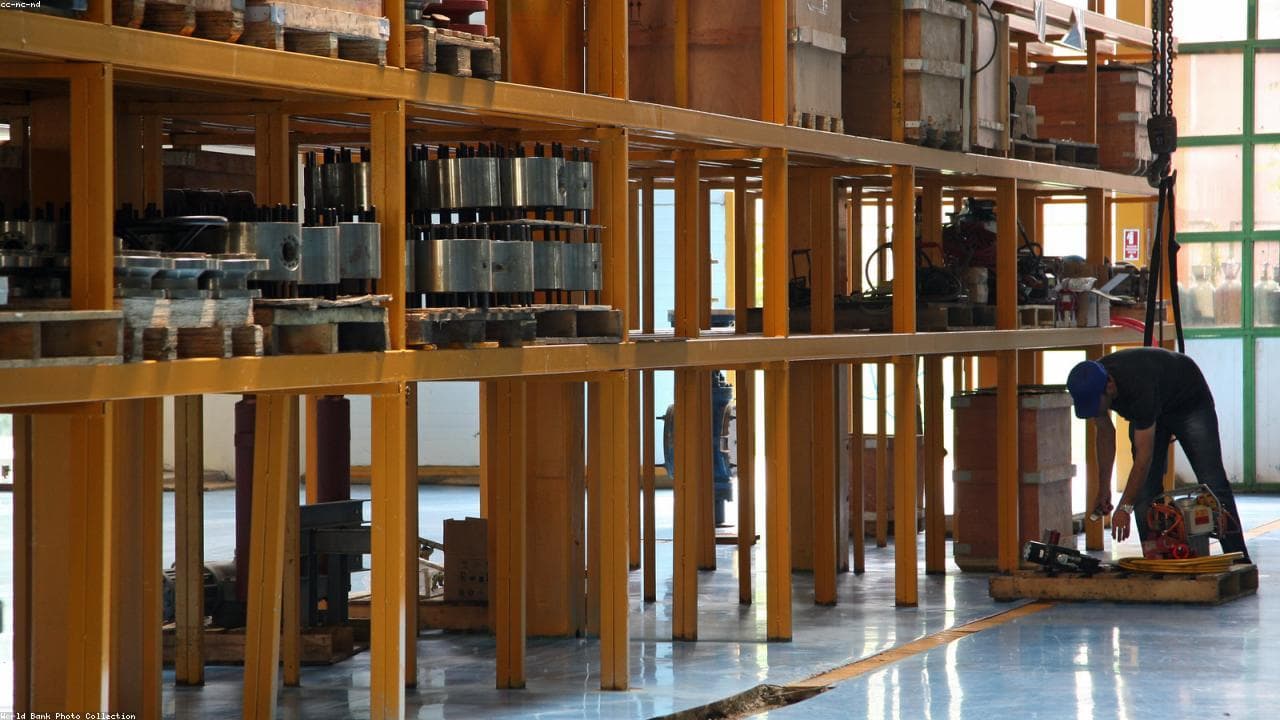
Noise & Hearing Conservation drills for steel in Pune.
Book a walkthrough or start a focused pilot on your site.