

GHS Labelling & Safety Data Sheets VR training for manufacturing in Pune.
Pune, Maharashtra — auto, engineering and manufacturing belt (Chakan–Talegaon and Ranjangaon industrial clusters). Drill GHS pictogram recognition, label checks and the read-the-SDS-first habit on virtual containers so workers act on the hazard, not a guess.
GHS Labelling & Safety Data Sheets VR training for manufacturing in Pune
DrillXR GHS Labelling and Safety Data Sheets trains the single habit that prevents a large share of chemical incidents: read the label and the SDS before you act. The simulation reproduces the failures that follow when that habit lapses: a GHS pictogram misread or missed entirely, a worker acting before consulting the safety data sheet, a substance decanted into an unlabelled container that the next person handles blind, and the handling precautions and incompatibilities on the SDS ignored. Inside the headset the worker reads the GHS label and its pictograms, locates and checks the matching SDS, confirms the hazard class and the precautions it sets, verifies the receiving container is correctly labelled before any transfer, and applies the handling and PPE controls the SDS specifies. The headset turns abstract hazard-communication rules into a concrete read-confirm-apply sequence.
Hazard communication is a legal duty, not a courtesy, and India's framework treats it that way. The Manufacture, Storage and Import of Hazardous Chemicals (MSIHC) Rules 1989 set the obligations around the safe handling and labelling of hazardous chemicals, the Factories Act 1948 carries the underlying hazard-communication and duty-of-care obligations for the workforce, and the site hazard-communication procedure defines how labels and data sheets are managed day to day. The common failure is not illiteracy but speed: glancing at a drum, assuming it is the same as last time, and skipping the SDS that would have flagged a different glove, a different respirator, or an incompatibility. DrillXR lets a worker experience the consequence of acting on a misread label in the headset, so the read-the-label-and-SDS-first discipline is built before a real container is in front of them.
GHS Labelling & Safety Data Sheets training for Pune’s industrial base
Pune is one of western India's most concentrated manufacturing economies, anchored by the Chakan–Talegaon belt and the Ranjangaon industrial cluster on the Pune–Ahmednagar axis. The corridor packs automotive OEMs, two-wheeler giants, tier-one component suppliers, precision engineering shops and a deep bench of forging, casting and machining units into a relatively tight geography. Shift-based production runs around the clock, and a large share of the workforce is contract and migrant labour that rotates frequently between plants. That combination — high-throughput lines, heavy material handling and a constantly refreshing operator pool — makes consistent, repeatable safety competence one of the hardest operational problems a Pune plant manager has to solve.
Pune's manufacturing density means a single unsafe forklift turn, a defeated machine guard or a slow line-side evacuation can stop production across a tier-one supplier and ripple straight up to the OEM. Traditional induction — a slide deck, a signed register, a walk of the shop — does not reliably transfer competence to a workforce that turns over quickly and often does not share a first language with the trainer. VR changes the economics of that problem. A new operator can rehearse a tip-over, a pedestrian near-miss or a press lockout in the headset until the correct response is automatic, and the plant gets a numerical score for every attempt rather than a signature on a sheet. For Chakan and Ranjangaon suppliers under continuous OEM audit, that assessable, repeatable record is the difference between claiming training happened and proving it did.
Inside a ghs labelling & safety data sheets drill
The session presents the trainee with a container to be handled in a process or store area. They begin by reading the GHS label and its pictograms, identifying the hazard the symbols communicate rather than assuming from memory. They then locate the matching safety data sheet and check it, confirming the hazard class and the handling precautions it sets; acting before consulting the SDS is logged against the score. Tasked with a transfer, the worker must verify the receiving container is correctly labelled, and decanting into an unlabelled or wrongly labelled container is flagged as a hazard for the next handler. Guided by the SDS, they apply the specified PPE and handling controls, and selecting protection that contradicts the data sheet registers an exposure. The run closes once the label has been read, the SDS confirmed, the containers labelled and the correct controls applied.
Manufacturing risk in focus
Manufacturing incidents cluster around a few recurring failure modes. Machine entanglement and nip-point injuries happen when guards are defeated or a machine is accessed before it reaches a true zero-energy state. Material-handling incidents — forklift-pedestrian strikes, load tip-overs, racking collisions — dominate the lost-time statistics on busy shop floors. Fire, from electrical faults, hot work or solvent storage, can move faster than an untrained crew can react, and a poorly rehearsed line-side evacuation turns a containable event into a mass-casualty one. The common thread is that each of these is a procedural failure under pressure, not a knowledge gap a worker can talk their way through on a written test.
Go deeper on the GHS Labelling & Safety Data Sheets module, VR training for manufacturing, or all training in Pune.
The hazards drilled
- misread or missing GHS pictograms
- acting before reading the SDS
- decanting into an unlabelled container
- ignoring incompatibility & handling precautions
Manufacturing risks in Pune
- machine entanglement
- material-handling incidents
- fire
- line-side evacuation
The scored procedure
- 01Read the GHS label and pictograms
- 02Locate and check the matching SDS
- 03Confirm hazard class and precautions
- 04Verify the receiving container is labelled
- 05Apply the SDS handling and PPE controls
Compliance mapping
Related drills for manufacturing
Explore the GHS Labelling & Safety Data Sheets module, VR training for manufacturing, or all training in Pune.
GHS Labelling & Safety Data Sheets VR training in Pune — FAQs
Why run ghs labelling & safety data sheets VR training for manufacturing in Pune?
Pune is auto, engineering and manufacturing belt (Chakan–Talegaon and Ranjangaon industrial clusters). Manufacturing teams there face machine entanglement, material-handling incidents, fire. DrillXR lets crews rehearse ghs labelling & safety data sheets safely and repeatably, with scored, audit-ready evidence.
What does the GHS Labelling & Safety Data Sheets simulation cover?
Drill GHS pictogram recognition, label checks and the read-the-SDS-first habit on virtual containers so workers act on the hazard, not a guess. It reproduces misread or missing GHS pictograms, acting before reading the SDS, decanting into an unlabelled container.
Which regulations apply?
Manufacture, Storage & Import of Hazardous Chemicals (MSIHC) Rules 1989; Factories Act 1948 (hazard communication duties); site hazard-communication procedure; Factories Act 1948; BIS machinery standards; state Factory Inspectorate.
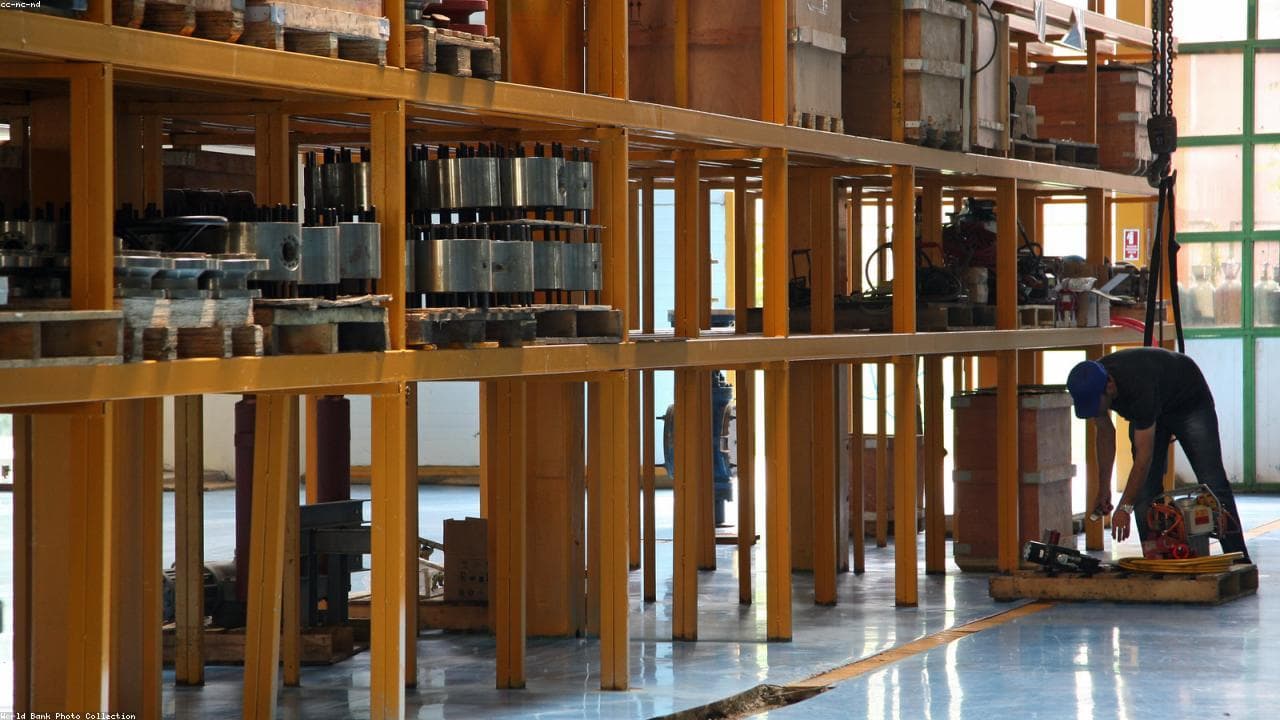
GHS Labelling & Safety Data Sheets drills for manufacturing in Pune.
Book a walkthrough or start a focused pilot on your site.