
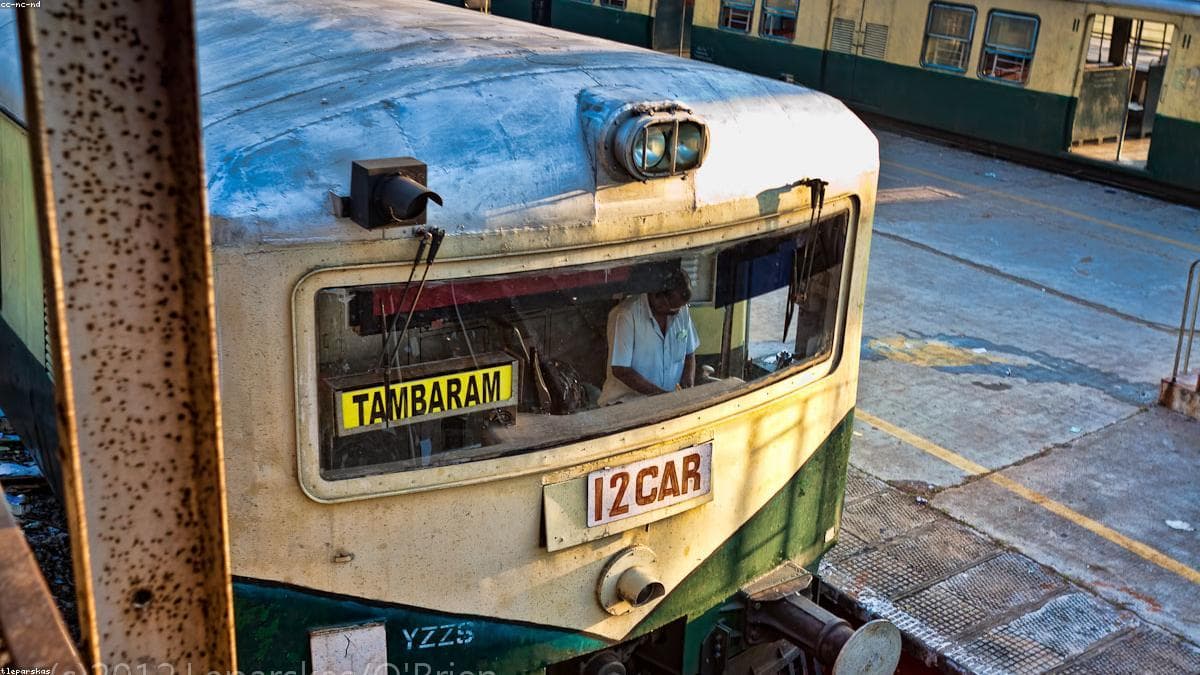
Fire Watch (Hot-Work Standby) VR training for oil & gas in Chennai.
Chennai, Tamil Nadu — automotive and heavy-engineering hub (Sriperumbudur–Oragadam auto cluster). Train the dedicated fire-watch role for hot work, watching for ignition, holding the post and acting on the first sign of fire on a virtual job.
Fire Watch (Hot-Work Standby) VR training for oil & gas in Chennai
DrillXR Fire Watch trains the dedicated standby role that hot work depends on, the person whose only job is to watch for fire and act on the first sign of it. The simulation reproduces the failures that let a hot-work fire take hold: a smouldering ignition that goes undetected until it spreads, a fire watch who leaves the post before the danger has passed, the wrong or missing extinguisher for the fuel involved, and a fire that spreads to adjacent or below areas through an opening the watch never checked. Inside the headset the trainee confirms the hot-work permit and their watch duty, clears and wets down the area and positions extinguishers, maintains a continuous watch while the work proceeds, acts on the first sign of fire and raises the alarm, and holds the post for the full post-work watch period. Because the role is one of vigilance and discipline, the headset trains the watch-and-stay habit that a briefing cannot.
Fire watch is a frequent point of failure in hot-work incidents, and India's permit framework expects it to be a competent, dedicated role. The Factories Act 1948 sets the duty for fire safety provision on the premises, OISD-GDN-105 governs the work-permit system used in the petroleum sector, and every serious site backs hot work with its own permit and fire-watch SOP. The classic incident is not ignorance but complacency: a watch who treats the role as a formality, leaves as soon as the welding stops, or never noticed the sparks falling through a floor opening onto stored material below. A briefing cannot make someone feel the cost of leaving early; DrillXR lets a fire watch experience an ignition take hold on an abandoned post in simulation, so the hold-the-watch discipline is built before a real permit is ever issued.
Fire Watch (Hot-Work Standby) training for Chennai’s industrial base
Chennai is India's automotive capital, and the Sriperumbudur–Oragadam corridor on the city's western fringe is the beating heart of it. The cluster hosts global car and commercial-vehicle OEMs, two-wheeler plants, a dense tier-one and tier-two supplier ecosystem, and the stamping, welding, painting and assembly operations that feed them. Heavy-engineering and electronics manufacturing round out the base. With several large assembly plants and hundreds of feeder units operating on tightly synchronised just-in-time schedules, the corridor runs continuous high-tempo production where a safety stoppage at one supplier can cascade through the whole line.
The economics of Chennai's auto corridor make undertrained operators expensive and dangerous in equal measure: a machine-interaction injury or a press incident stops a line that an OEM is counting on for just-in-time delivery. Classroom safety briefings cannot reliably build the muscle memory a press operator or a robotic-cell technician needs, and they leave no objective evidence of competence. VR does both. In the headset, an operator can confirm safe-stop and lock-and-verify before reaching into a cell, rehearse a weld-line hazard, and practise a line-side evacuation until the response is reflexive — and every attempt produces a score. For Sriperumbudur and Oragadam suppliers under constant OEM audit, that scored, repeatable record is what turns a training claim into demonstrable proof, across permanent and contract workers alike.
Inside a fire watch (hot-work standby) drill
The session opens as the trainee is assigned the fire-watch role for a hot-work job. They first confirm the hot-work permit is valid and that they understand their watch duty, rather than starting the watch on a verbal say-so. They clear combustibles from the area, wet down where required and position the correct extinguishers within reach before the work begins; a missing or wrong-class extinguisher is logged. As the work proceeds the trainee maintains a continuous watch, scanning not just the work point but adjacent and below areas where sparks can fall through an opening. When a smouldering ignition appears, the scenario tests their response: act on the first sign, attack it with the right extinguisher and raise the alarm, rather than hesitating. The run does not end when the work stops, the trainee must hold the post for the full post-work watch period, and leaving early lets a delayed ignition take hold in simulation.
Oil & Gas risk in focus
Oil and gas failure modes are process-driven and unforgiving. Process-safety events — loss of containment, runaway pressure or temperature, ignition of a release — are the headline catastrophic risk. H2S exposure can incapacitate or kill within seconds and demands instant, correct PPE and rescue behaviour. Hot-work ignition occurs when a permit fails to account for residual hydrocarbons or inadequate gas testing near welding and cutting. Confined-space entry into tanks, vessels and sumps combines toxic-atmosphere, engulfment and entrapment hazards with the recurring tragedy of untrained rescuers becoming the next casualties. Every one of these turns on procedure discipline under stress.
Go deeper on the Fire Watch (Hot-Work Standby) module, VR training for oil & gas, or all training in Chennai.
The hazards drilled
- delayed detection of a smouldering ignition
- fire-watch leaving the post early
- wrong or missing extinguisher for the fuel
- fire spreading to adjacent or below areas
Oil & Gas risks in Chennai
- process-safety events
- H2S exposure
- hot-work ignition
- confined-space entry
The scored procedure
- 01Confirm the hot-work permit & watch duty
- 02Clear and wet down the area, position extinguishers
- 03Maintain continuous watch during the work
- 04Act on first sign of fire & raise the alarm
- 05Hold the post for the post-work watch period
Compliance mapping
Related drills for oil & gas
Explore the Fire Watch (Hot-Work Standby) module, VR training for oil & gas, or all training in Chennai.
Fire Watch (Hot-Work Standby) VR training in Chennai — FAQs
Why run fire watch (hot-work standby) VR training for oil & gas in Chennai?
Chennai is automotive and heavy-engineering hub (Sriperumbudur–Oragadam auto cluster). Oil & Gas teams there face process-safety events, H2S exposure, hot-work ignition. DrillXR lets crews rehearse fire watch (hot-work standby) safely and repeatably, with scored, audit-ready evidence.
What does the Fire Watch (Hot-Work Standby) simulation cover?
Train the dedicated fire-watch role for hot work, watching for ignition, holding the post and acting on the first sign of fire on a virtual job. It reproduces delayed detection of a smouldering ignition, fire-watch leaving the post early, wrong or missing extinguisher for the fuel.
Which regulations apply?
Factories Act 1948 (fire safety provision); OISD-GDN-105 (work permit system); site hot-work permit & fire-watch SOP; OISD standards; PESO (explosives/pressure); Factories Act 1948.
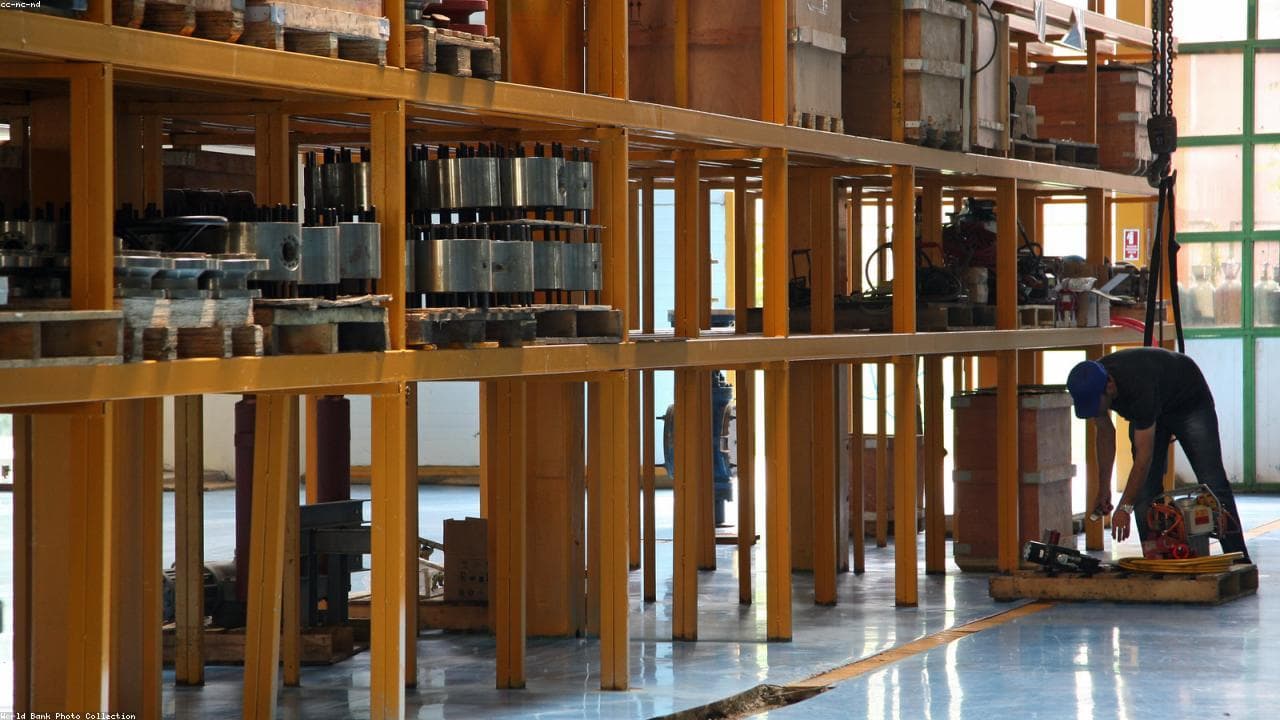
Fire Watch (Hot-Work Standby) drills for oil & gas in Chennai.
Book a walkthrough or start a focused pilot on your site.