
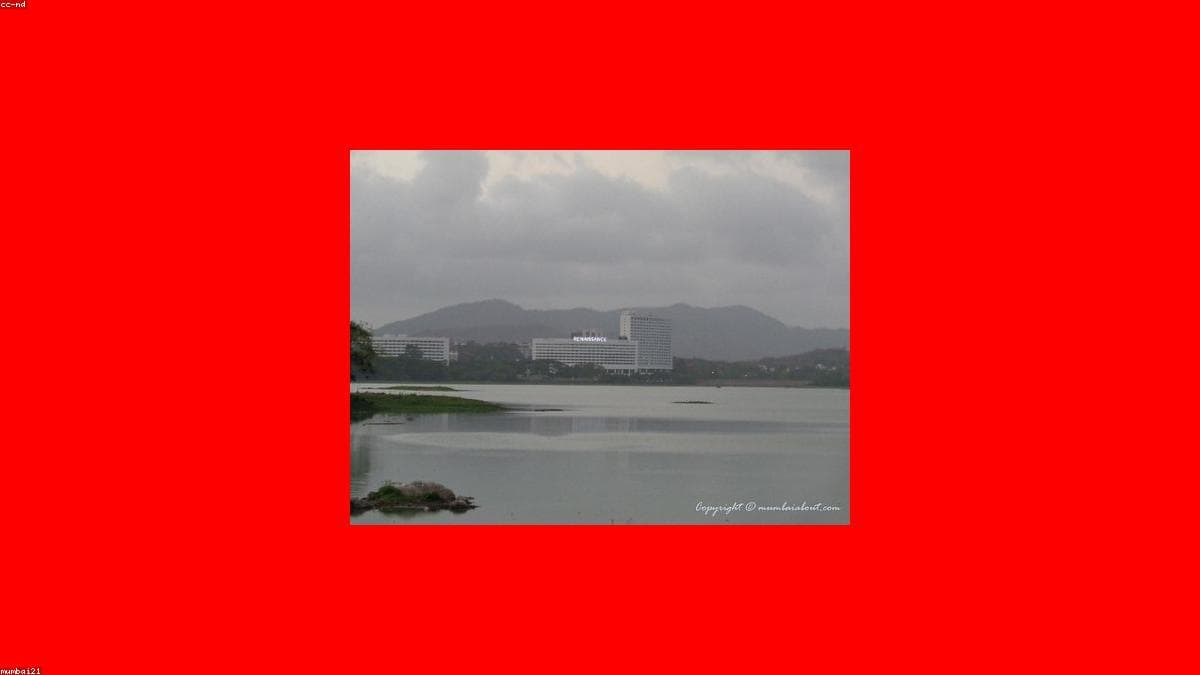
Fire Warden & Marshal VR training for ports & terminals in Mumbai.
Mumbai, Maharashtra — chemicals, pharma and ports hub (MIDC, JNPT and the MMR industrial corridor). Rehearse the fire warden's sweep, headcount and assembly-point control as a coordinated team so a plant evacuation is led, not just sounded.
Fire Warden & Marshal VR training for ports & terminals in Mumbai
DrillXR Fire Warden and Marshal is a multiplayer, role-based exercise that trains the people who lead an evacuation, not just the alarm that starts it. Several trainees take up warden and marshal roles in a shared virtual building as a fire develops, and the drill scores how well they sweep, control and account for people together. The simulation reproduces the failures that turn an evacuation into a tragedy: an incomplete sweep that leaves someone behind, an uncontrolled or blocked assembly point, a missed roll-call with persons unaccounted for, and the warden who is drawn into a developing fire instead of evacuating. The team works the procedure together: acknowledging the alarm and taking up the warden role, sweeping the assigned zone and directing evacuation, closing doors and checking refuge and vulnerable persons, marshalling the assembly point and taking roll-call, and reporting status to the incident controller.
The warden role is exactly what a poster cannot train, and India's framework expects it to be drilled. The Factories Act 1948 requires adequate means of escape and an on-site emergency plan, the National Building Code of India Part 4 sets the fire and life-safety framework including assembly and evacuation provision, and the Disaster Management Act 2005 frames the wider on-site emergency obligation. A workforce can have a perfect alarm system and still lose people because no warden swept the far store-room, two marshals controlled the same exit, or the roll-call was never reconciled. DrillXR puts a real team of wardens into a shared incident where those coordination failures surface and can be corrected, delivering the led, accounted-for evacuation regulators expect without evacuating a working plant to stage it.
Fire Warden & Marshal training for Mumbai’s industrial base
Mumbai and the wider Mumbai Metropolitan Region form one of India's most complex industrial geographies, where chemicals, pharmaceuticals, ports and logistics collide inside a single dense corridor. The MIDC estates across the MMR, the Jawaharlal Nehru Port (JNPT) at Nhava Sheva and the long industrial belt running through Navi Mumbai, Thane and Taloja put hazardous-chemical processing, bulk storage, container handling and warehousing in close proximity to one of the most crowded urban populations on earth. Many of these are Major Accident Hazard (MAH) units, where a process-safety failure is not a local event but a regional one, and where regulators and surrounding communities watch closely.
In Mumbai's chemical and port economy the worst incidents — a toxic release, a confined-space fatality during tank entry, an uncontrolled spill, a botched emergency response — are precisely the ones that cannot be rehearsed on the real asset without endangering people. That is the gap VR closes. DrillXR lets a worker practise atmospheric testing and permit-to-work before a vessel entry, don the correct PPE for a specific spilled substance, and run a timed, role-based emergency drill where coordination itself is scored, not just individual steps. For MAH units across the MMR whose on-site emergency plans must be demonstrably tested, immersive drills produce a defensible, repeatable competence record that a classroom session and a signed attendance sheet simply cannot. In a region this densely populated, the margin for an undertrained response is unforgiving.
Inside a fire warden & marshal drill
Several trainees enter a shared virtual building as a fire alarm sounds, each taking up an assigned warden or marshal role. They acknowledge the alarm and move to their zones, and the simulation penalises a vacuum where a zone has no warden or an overlap where two cover the same area. Each warden sweeps their assigned zone, directing occupants to the safe route, closing doors behind them to slow smoke spread, and checking refuge points and any vulnerable persons rather than assuming the zone is empty. A warden tempted into a developing fire instead of evacuating is scored against. At the assembly point a marshal controls the muster and takes the roll-call, reconciling who is present against who was on site; an unaccounted person must be surfaced and reported, not overlooked. The drill closes as the wardens report their zone status to the incident controller and the team accounts for everyone.
Ports & Terminals risk in focus
Port failure modes are dominated by movement and enclosure. Lifting operations — quay and yard cranes handling containers and bulk over crews — cause struck-by and crushing injuries when exclusion zones, rigging or signalling fail. Vehicle and pedestrian traffic in busy terminal yards, where trailers, stackers and people intersect, is a persistent fatality source. Falls occur during work at height on cranes, container stacks and vessel access. And confined-space entry into ship holds and bulk-cargo spaces carries oxygen-deficiency and toxic-atmosphere hazards, including from the cargo itself. Each is a coordination-and-procedure failure in a space too crowded to leave to chance.
Go deeper on the Fire Warden & Marshal module, VR training for ports & terminals, or all training in Mumbai.
The hazards drilled
- incomplete sweep leaving people behind
- uncontrolled or blocked assembly point
- missed roll-call & unaccounted persons
- warden entering a developing fire
Ports & Terminals risks in Mumbai
- lifting operations
- vehicle/pedestrian traffic
- falls
- confined space (holds)
The scored procedure
- 01Acknowledge the alarm & take up the warden role
- 02Sweep the assigned zone and direct evacuation
- 03Close doors and check refuge / vulnerable persons
- 04Marshal the assembly point and take roll-call
- 05Report status to the incident controller
Compliance mapping
Related drills for ports & terminals
Explore the Fire Warden & Marshal module, VR training for ports & terminals, or all training in Mumbai.
Fire Warden & Marshal VR training in Mumbai — FAQs
Why run fire warden & marshal VR training for ports & terminals in Mumbai?
Mumbai is chemicals, pharma and ports hub (MIDC, JNPT and the MMR industrial corridor). Ports & Terminals teams there face lifting operations, vehicle/pedestrian traffic, falls. DrillXR lets crews rehearse fire warden & marshal safely and repeatably, with scored, audit-ready evidence.
What does the Fire Warden & Marshal simulation cover?
Rehearse the fire warden's sweep, headcount and assembly-point control as a coordinated team so a plant evacuation is led, not just sounded. It reproduces incomplete sweep leaving people behind, uncontrolled or blocked assembly point, missed roll-call & unaccounted persons.
Which regulations apply?
Factories Act 1948 (means of escape & emergency plan); National Building Code of India (Part 4 Fire & Life Safety); Disaster Management Act 2005 (on-site emergency plan); Dock Workers (Safety) Regulations; Factories Act; BIS lifting standards.
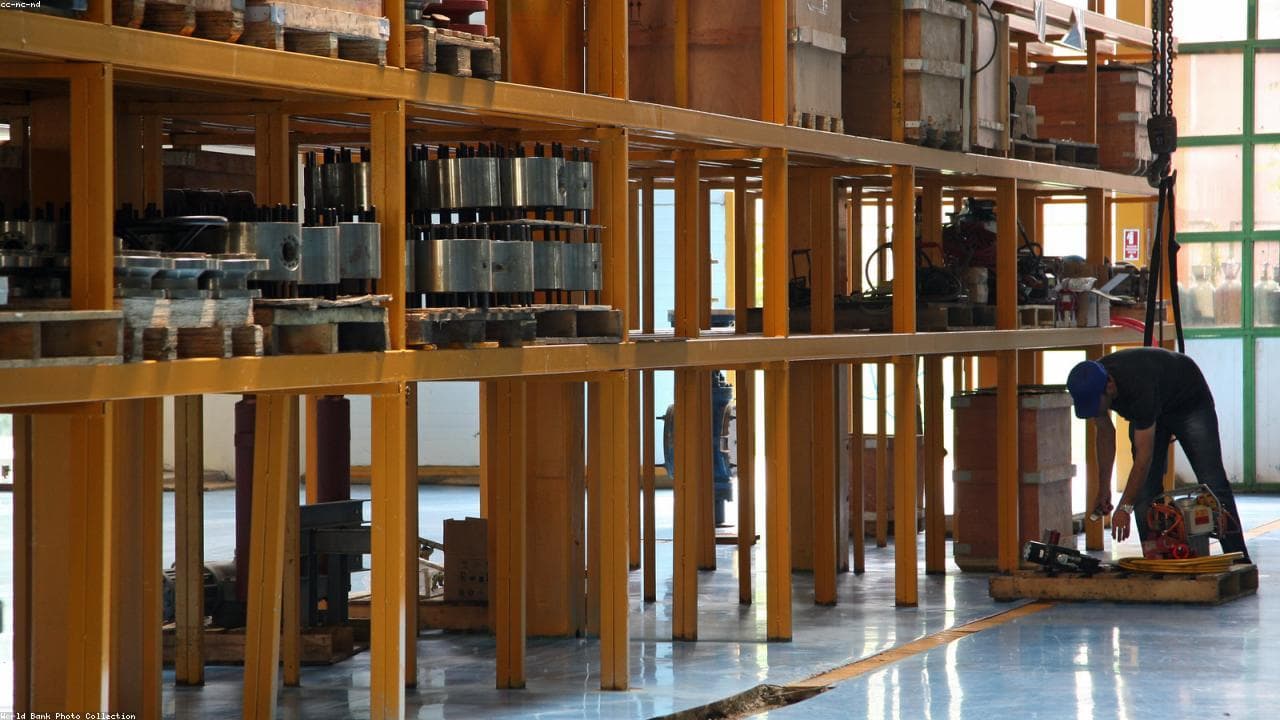
Fire Warden & Marshal drills for ports & terminals in Mumbai.
Book a walkthrough or start a focused pilot on your site.