
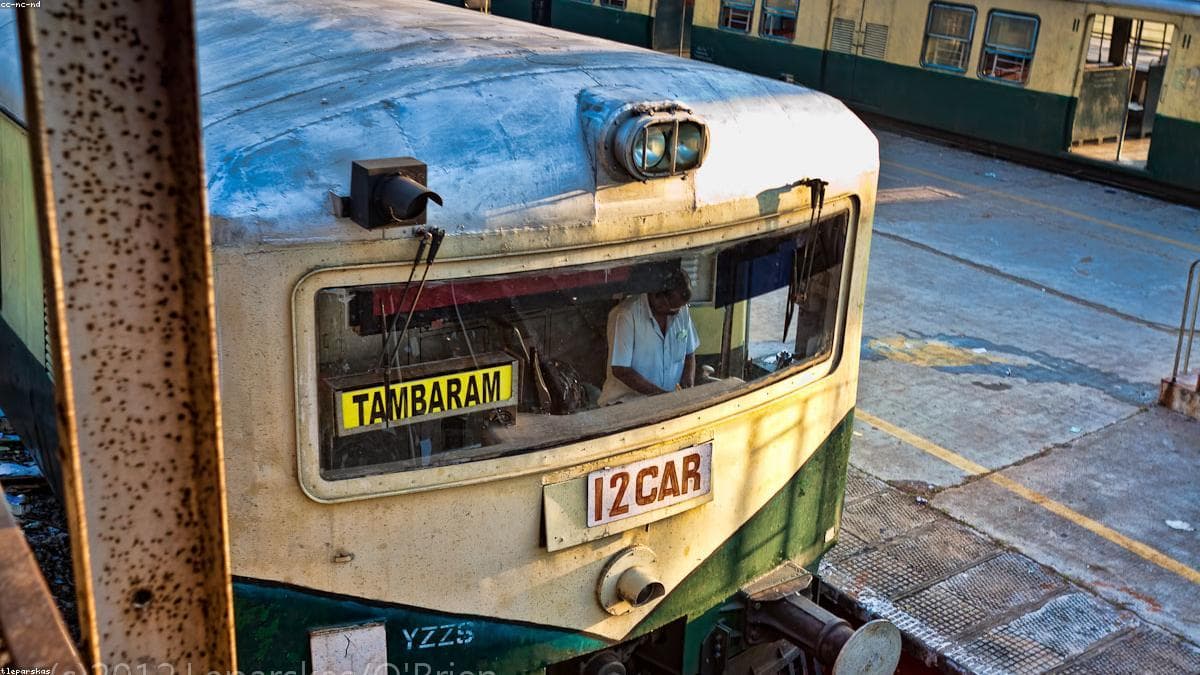
Environmental & Oil Spill Response VR training for ports & terminals in Chennai.
Chennai, Tamil Nadu — automotive and heavy-engineering hub (Sriperumbudur–Oragadam auto cluster). Drill coordinated containment, recovery and reporting of an oil or chemical release to land or water as a team, before a real spill reaches a drain or shoreline.
Environmental & Oil Spill Response VR training for ports & terminals in Chennai
DrillXR Environmental and Oil Spill Response is a multiplayer, role-based exercise that trains a team to contain, recover and report a spill before it reaches a drain, the soil or a water body. Several trainees share one virtual release to land or water and must coordinate under timed pressure as the spill develops. The simulation reproduces the failures that turn a contained spill into an environmental incident: a release reaching drains, soil or a waterway, a delayed or uncoordinated containment effort, a secondary fire or toxic exposure during recovery, and an incomplete notification to the authorities. The team works the procedure together: raising the alarm and assessing the release, stopping the source and protecting drains and waterways, deploying booms, absorbents and containment, recovering product and decontaminating, and notifying the authorities and documenting the incident. Because protecting a drain in the first minutes decides the outcome, the headset trains the contain-first, recover-then-report discipline as a coordinated team effort.
Spills that reach the environment carry serious legal and reputational consequences in India, and the framework is explicit. The Environment (Protection) Act 1986 and its rules govern the prevention and control of environmental releases, the Manufacture, Storage and Import of Hazardous Chemicals Rules 1989 frame how hazardous-substance incidents are managed and reported, and the Disaster Management Act 2005 underpins the on-site and off-site emergency plans a major-hazard site must hold. The common failure is not ignorance but coordination: no one took command, the source was not stopped while others fetched booms, or a drain was left open while the team focused on the visible pool. A tabletop walkthrough cannot rehearse a team protecting a drain against the clock; DrillXR puts a real team into a shared release where those failures surface and can be corrected, without ever putting product into the environment.
Environmental & Oil Spill Response training for Chennai’s industrial base
Chennai is India's automotive capital, and the Sriperumbudur–Oragadam corridor on the city's western fringe is the beating heart of it. The cluster hosts global car and commercial-vehicle OEMs, two-wheeler plants, a dense tier-one and tier-two supplier ecosystem, and the stamping, welding, painting and assembly operations that feed them. Heavy-engineering and electronics manufacturing round out the base. With several large assembly plants and hundreds of feeder units operating on tightly synchronised just-in-time schedules, the corridor runs continuous high-tempo production where a safety stoppage at one supplier can cascade through the whole line.
The economics of Chennai's auto corridor make undertrained operators expensive and dangerous in equal measure: a machine-interaction injury or a press incident stops a line that an OEM is counting on for just-in-time delivery. Classroom safety briefings cannot reliably build the muscle memory a press operator or a robotic-cell technician needs, and they leave no objective evidence of competence. VR does both. In the headset, an operator can confirm safe-stop and lock-and-verify before reaching into a cell, rehearse a weld-line hazard, and practise a line-side evacuation until the response is reflexive — and every attempt produces a score. For Sriperumbudur and Oragadam suppliers under constant OEM audit, that scored, repeatable record is what turns a training claim into demonstrable proof, across permanent and contract workers alike.
Inside a environmental & oil spill response drill
Several trainees enter a shared virtual site as a spill develops from a tank, drum or transfer operation onto a hard surface near drains and a watercourse. The team first raises the alarm and assesses the release together, establishing what has spilled and where it is heading. They assign the response, and the simulation penalises a vacuum where the source keeps flowing because everyone went for equipment, or an overlap where two people do the same task. One priority is to stop the source while others protect the drains and waterway with covers and barriers before the spill reaches them. The team deploys booms and absorbents to contain the pool, then recovers the product and decontaminates the area and themselves in the correct order, watching for a secondary fire or toxic exposure during recovery. The drill closes as the team notifies the relevant authorities and documents the incident, capturing what was released, how it was contained and what was reported.
Ports & Terminals risk in focus
Port failure modes are dominated by movement and enclosure. Lifting operations — quay and yard cranes handling containers and bulk over crews — cause struck-by and crushing injuries when exclusion zones, rigging or signalling fail. Vehicle and pedestrian traffic in busy terminal yards, where trailers, stackers and people intersect, is a persistent fatality source. Falls occur during work at height on cranes, container stacks and vessel access. And confined-space entry into ship holds and bulk-cargo spaces carries oxygen-deficiency and toxic-atmosphere hazards, including from the cargo itself. Each is a coordination-and-procedure failure in a space too crowded to leave to chance.
Go deeper on the Environmental & Oil Spill Response module, VR training for ports & terminals, or all training in Chennai.
The hazards drilled
- release reaching drains, soil or water bodies
- delayed or uncoordinated containment
- secondary fire / toxic exposure during recovery
- incomplete notification to authorities
Ports & Terminals risks in Chennai
- lifting operations
- vehicle/pedestrian traffic
- falls
- confined space (holds)
The scored procedure
- 01Raise the alarm & assess the release
- 02Stop the source and protect drains / waterways
- 03Deploy booms, absorbents and containment
- 04Recover product and decontaminate
- 05Notify authorities and document the incident
Compliance mapping
Related drills for ports & terminals
Explore the Environmental & Oil Spill Response module, VR training for ports & terminals, or all training in Chennai.
Environmental & Oil Spill Response VR training in Chennai — FAQs
Why run environmental & oil spill response VR training for ports & terminals in Chennai?
Chennai is automotive and heavy-engineering hub (Sriperumbudur–Oragadam auto cluster). Ports & Terminals teams there face lifting operations, vehicle/pedestrian traffic, falls. DrillXR lets crews rehearse environmental & oil spill response safely and repeatably, with scored, audit-ready evidence.
What does the Environmental & Oil Spill Response simulation cover?
Drill coordinated containment, recovery and reporting of an oil or chemical release to land or water as a team, before a real spill reaches a drain or shoreline. It reproduces release reaching drains, soil or water bodies, delayed or uncoordinated containment, secondary fire / toxic exposure during recovery.
Which regulations apply?
Environment (Protection) Act 1986 & Rules; Manufacture, Storage & Import of Hazardous Chemicals (MSIHC) Rules 1989; Disaster Management Act 2005 (on-site / off-site emergency plan); Dock Workers (Safety) Regulations; Factories Act; BIS lifting standards.
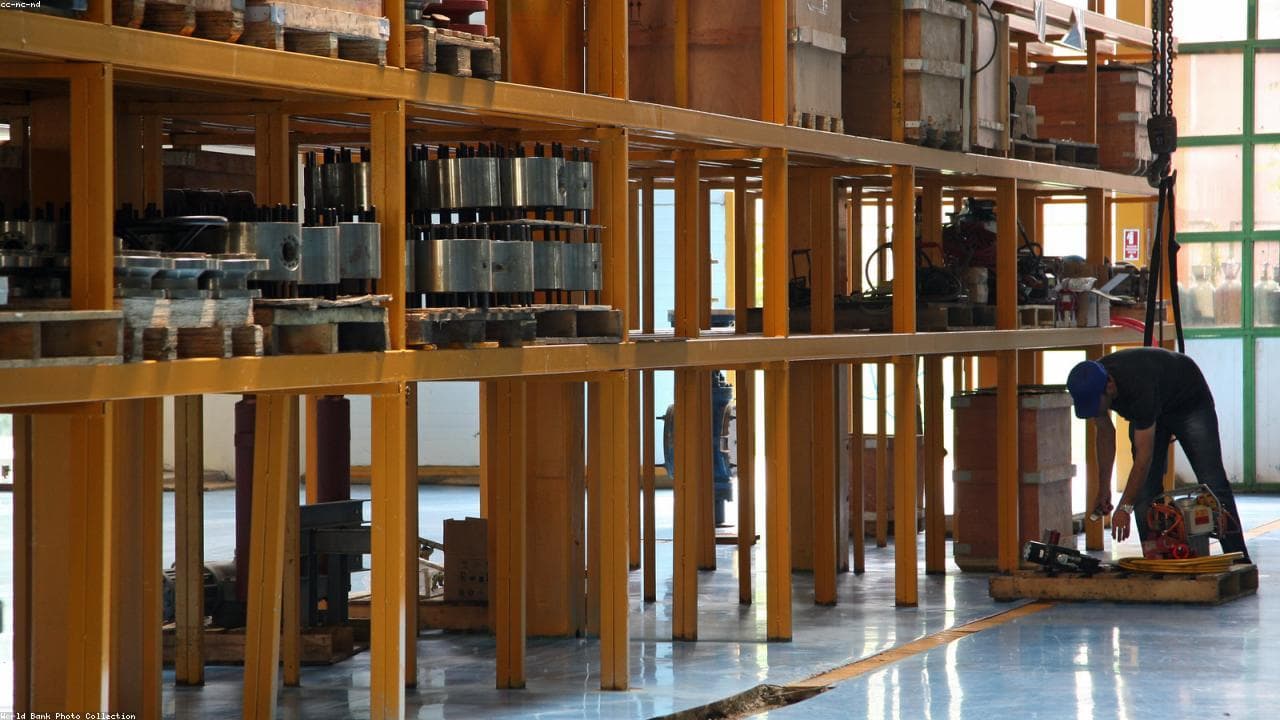
Environmental & Oil Spill Response drills for ports & terminals in Chennai.
Book a walkthrough or start a focused pilot on your site.