
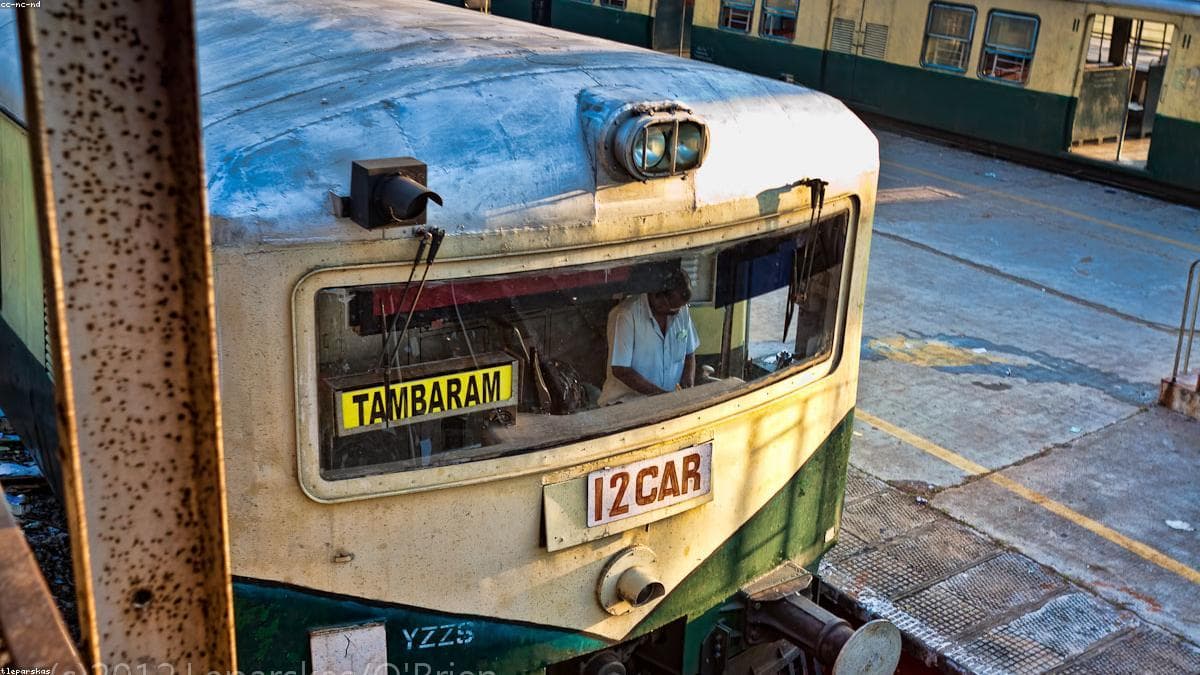
Drum & IBC Handling VR training for oil & gas in Chennai.
Chennai, Tamil Nadu — automotive and heavy-engineering hub (Sriperumbudur–Oragadam auto cluster). Rehearse safe movement, stacking and decanting of drums and IBCs so chemical containers are handled without spills, strains or incompatible mixing.
Drum & IBC Handling VR training for oil & gas in Chennai
DrillXR Drum and IBC Handling trains workers to move, stack and decant chemical drums and intermediate bulk containers without spills, strains or dangerous mixing. The simulation reproduces the hazards that drive real incidents: manual-handling strains from rolling, lifting and tipping heavy drums; spills and splashes when decanting or coupling a hose; container failure from over-stacking, damage or a corroded drum; and the incompatible-chemical contact that can produce heat, gas or a violent reaction. Inside the headset the trainee checks the label, safety data sheet and container condition, selects the correct handling equipment and PPE, moves and positions the drum or IBC safely, decants or couples over containment without spilling, and stacks within limits while segregating chemicals by compatibility.
Handling bulk chemical containers is hazardous on every axis at once — weight, chemistry and pressure — and the regulatory framework reflects it. The Manufacture, Storage and Import of Hazardous Chemicals (MSIHC) Rules 1989 govern how hazardous chemicals are handled and stored, and the Factories Act 1948 carries duties for the safe handling of dangerous and hazardous substances. A site chemical handling and storage procedure then sets stacking limits, segregation rules and decanting controls. The dangerous shortcut is familiarity: rolling a drum without checking the label, decanting without containment, stacking IBCs one tier too high. DrillXR lets a worker take that shortcut in the headset and see the spill, the strain or the reaction follow, building the discipline of check-first and segregate-always before a real container fails.
Drum & IBC Handling training for Chennai’s industrial base
Chennai is India's automotive capital, and the Sriperumbudur–Oragadam corridor on the city's western fringe is the beating heart of it. The cluster hosts global car and commercial-vehicle OEMs, two-wheeler plants, a dense tier-one and tier-two supplier ecosystem, and the stamping, welding, painting and assembly operations that feed them. Heavy-engineering and electronics manufacturing round out the base. With several large assembly plants and hundreds of feeder units operating on tightly synchronised just-in-time schedules, the corridor runs continuous high-tempo production where a safety stoppage at one supplier can cascade through the whole line.
The economics of Chennai's auto corridor make undertrained operators expensive and dangerous in equal measure: a machine-interaction injury or a press incident stops a line that an OEM is counting on for just-in-time delivery. Classroom safety briefings cannot reliably build the muscle memory a press operator or a robotic-cell technician needs, and they leave no objective evidence of competence. VR does both. In the headset, an operator can confirm safe-stop and lock-and-verify before reaching into a cell, rehearse a weld-line hazard, and practise a line-side evacuation until the response is reflexive — and every attempt produces a score. For Sriperumbudur and Oragadam suppliers under constant OEM audit, that scored, repeatable record is what turns a training claim into demonstrable proof, across permanent and contract workers alike.
Inside a drum & ibc handling drill
The trainee approaches a store of drums and IBCs with a task to relocate and decant a chemical. They begin by reading the label and SDS and checking the container's condition; a corroded or unlabelled container taken into use is logged. They select the correct handling equipment — a drum trolley or grab rather than brute force — and don the PPE the SDS specifies. Moving the container, the trainee positions it without dropping or over-reaching, the manual-handling step scored on technique. Decanting, they work over a bund or containment tray and couple correctly so no spill occurs; skip containment and the simulation spreads the spill. Finally they stack within the rated limit and segregate the chemical away from incompatible neighbours; place it beside an incompatible drum and the scenario demonstrates the reaction. Each lapse registers against the score.
Oil & Gas risk in focus
Oil and gas failure modes are process-driven and unforgiving. Process-safety events — loss of containment, runaway pressure or temperature, ignition of a release — are the headline catastrophic risk. H2S exposure can incapacitate or kill within seconds and demands instant, correct PPE and rescue behaviour. Hot-work ignition occurs when a permit fails to account for residual hydrocarbons or inadequate gas testing near welding and cutting. Confined-space entry into tanks, vessels and sumps combines toxic-atmosphere, engulfment and entrapment hazards with the recurring tragedy of untrained rescuers becoming the next casualties. Every one of these turns on procedure discipline under stress.
Go deeper on the Drum & IBC Handling module, VR training for oil & gas, or all training in Chennai.
The hazards drilled
- manual handling strains from rolling and lifting drums
- spills and splashes when decanting or coupling
- drum or IBC failure from over-stacking or damage
- incompatible chemical contact and dangerous reactions
Oil & Gas risks in Chennai
- process-safety events
- H2S exposure
- hot-work ignition
- confined-space entry
The scored procedure
- 01Check the label, SDS and container condition
- 02Select the correct handling equipment and PPE
- 03Move and position the drum or IBC safely
- 04Decant or couple over containment without spilling
- 05Stack within limits and segregate by compatibility
Compliance mapping
Related drills for oil & gas
Explore the Drum & IBC Handling module, VR training for oil & gas, or all training in Chennai.
Drum & IBC Handling VR training in Chennai — FAQs
Why run drum & ibc handling VR training for oil & gas in Chennai?
Chennai is automotive and heavy-engineering hub (Sriperumbudur–Oragadam auto cluster). Oil & Gas teams there face process-safety events, H2S exposure, hot-work ignition. DrillXR lets crews rehearse drum & ibc handling safely and repeatably, with scored, audit-ready evidence.
What does the Drum & IBC Handling simulation cover?
Rehearse safe movement, stacking and decanting of drums and IBCs so chemical containers are handled without spills, strains or incompatible mixing. It reproduces manual handling strains from rolling and lifting drums, spills and splashes when decanting or coupling, drum or IBC failure from over-stacking or damage.
Which regulations apply?
Manufacture, Storage and Import of Hazardous Chemicals (MSIHC) Rules 1989; Factories Act 1948 (handling of dangerous & hazardous substances); site chemical handling & storage standard operating procedure; OISD standards; PESO (explosives/pressure); Factories Act 1948.
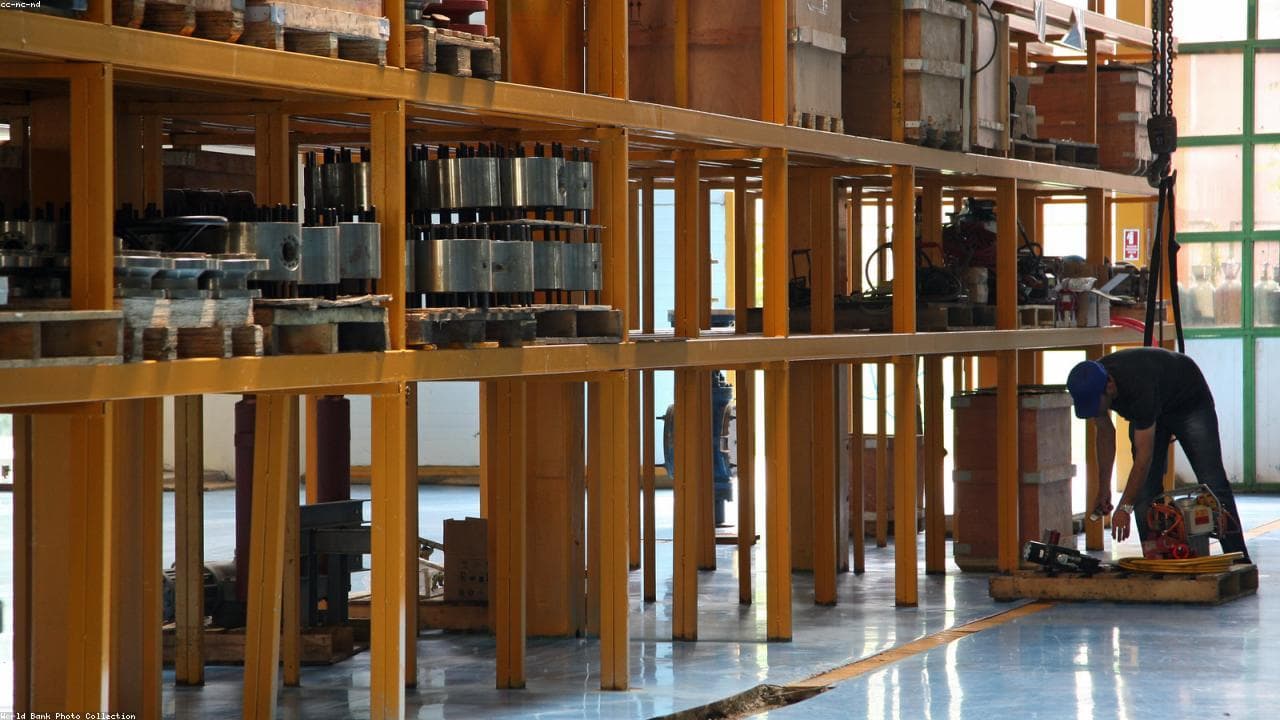
Drum & IBC Handling drills for oil & gas in Chennai.
Book a walkthrough or start a focused pilot on your site.