

Crane & Lifting Operations VR training for ports & terminals in Mumbai.
Mumbai, Maharashtra — chemicals, pharma and ports hub (MIDC, JNPT and the MMR industrial corridor). Train slinging, signalling and load-path discipline for crane and rigging operations in a virtual yard, before a real load is ever in the air.
Crane & Lifting Operations VR training for ports & terminals in Mumbai
DrillXR Crane and Lifting Operations trains operators, riggers and signallers in a virtual yard before they coordinate a real lift where a dropped load can kill anyone underneath. The simulation reproduces the hazards that drive lifting fatalities: a load drop or failure of the lifting gear, a struck-by from a swinging load, crane tip-over from overload or a poor set-up, and contact with overhead power lines. Inside the headset the team works the full lift: planning the lift and checking the load chart, inspecting the slings and lifting gear, establishing the exclusion zone, signalling and guiding the load, and landing, unhooking and standing down. Because a lift depends on the load chart, the rated gear and clear signals all being right together, the headset trains the plan-inspect-zone-signal discipline that keeps a load off people.
Lifting incidents are among the most severe on any industrial or construction site, and India's framework reflects that. The Factories Act 1948 carries explicit duties for lifting machines and lifting tackle, including periodic examination, BIS IS 4137 sets the code of practice for the safe use of mobile cranes, and every serious lift is governed by a site lifting plan. The common failure is not a lack of knowledge but a lift attempted off-chart, an overload chanced because the crane "looked" capable, a sling reused without inspection, or a person left inside the swing radius. A classroom cannot let an operator feel a crane tip; DrillXR lets the team make and correct those mistakes in a virtual yard where the only cost is a lower score.
Crane & Lifting Operations training for Mumbai’s industrial base
Mumbai and the wider Mumbai Metropolitan Region form one of India's most complex industrial geographies, where chemicals, pharmaceuticals, ports and logistics collide inside a single dense corridor. The MIDC estates across the MMR, the Jawaharlal Nehru Port (JNPT) at Nhava Sheva and the long industrial belt running through Navi Mumbai, Thane and Taloja put hazardous-chemical processing, bulk storage, container handling and warehousing in close proximity to one of the most crowded urban populations on earth. Many of these are Major Accident Hazard (MAH) units, where a process-safety failure is not a local event but a regional one, and where regulators and surrounding communities watch closely.
In Mumbai's chemical and port economy the worst incidents — a toxic release, a confined-space fatality during tank entry, an uncontrolled spill, a botched emergency response — are precisely the ones that cannot be rehearsed on the real asset without endangering people. That is the gap VR closes. DrillXR lets a worker practise atmospheric testing and permit-to-work before a vessel entry, don the correct PPE for a specific spilled substance, and run a timed, role-based emergency drill where coordination itself is scored, not just individual steps. For MAH units across the MMR whose on-site emergency plans must be demonstrably tested, immersive drills produce a defensible, repeatable competence record that a classroom session and a signed attendance sheet simply cannot. In a region this densely populated, the margin for an undertrained response is unforgiving.
Inside a crane & lifting operations drill
The session begins with a lift to plan. The trainee checks the load chart against the weight, radius and configuration, and must reject an off-chart or overloaded lift rather than chance it. They inspect the slings and lifting gear, rejecting a damaged or uncertified sling that the score will credit them for catching. They establish the exclusion zone, clearing people from the swing radius and confirming clearance from overhead power lines; leave a person inside the zone and the simulation registers a struck-by risk. The lift then proceeds on clear signals between operator, signaller and rigger, with the load kept controlled rather than swinging. An attempted overload tips the crane in simulation. The run closes as the team lands the load on prepared ground, unhooks safely and stands the crane down.
Ports & Terminals risk in focus
Port failure modes are dominated by movement and enclosure. Lifting operations — quay and yard cranes handling containers and bulk over crews — cause struck-by and crushing injuries when exclusion zones, rigging or signalling fail. Vehicle and pedestrian traffic in busy terminal yards, where trailers, stackers and people intersect, is a persistent fatality source. Falls occur during work at height on cranes, container stacks and vessel access. And confined-space entry into ship holds and bulk-cargo spaces carries oxygen-deficiency and toxic-atmosphere hazards, including from the cargo itself. Each is a coordination-and-procedure failure in a space too crowded to leave to chance.
Go deeper on the Crane & Lifting Operations module, VR training for ports & terminals, or all training in Mumbai.
The hazards drilled
- load drop & lifting-gear failure
- struck-by swinging loads
- crane tip-over / overload
- contact with overhead power lines
Ports & Terminals risks in Mumbai
- lifting operations
- vehicle/pedestrian traffic
- falls
- confined space (holds)
The scored procedure
- 01Plan the lift & check the load chart
- 02Inspect slings and lifting gear
- 03Establish the exclusion zone
- 04Signal and guide the lift
- 05Land, unhook and stand down
Compliance mapping
Related drills for ports & terminals
Explore the Crane & Lifting Operations module, VR training for ports & terminals, or all training in Mumbai.
Crane & Lifting Operations VR training in Mumbai — FAQs
Why run crane & lifting operations VR training for ports & terminals in Mumbai?
Mumbai is chemicals, pharma and ports hub (MIDC, JNPT and the MMR industrial corridor). Ports & Terminals teams there face lifting operations, vehicle/pedestrian traffic, falls. DrillXR lets crews rehearse crane & lifting operations safely and repeatably, with scored, audit-ready evidence.
What does the Crane & Lifting Operations simulation cover?
Train slinging, signalling and load-path discipline for crane and rigging operations in a virtual yard, before a real load is ever in the air. It reproduces load drop & lifting-gear failure, struck-by swinging loads, crane tip-over / overload.
Which regulations apply?
Factories Act 1948 (lifting machines & tackle); BIS IS 4137 (mobile cranes); site lifting plan; Dock Workers (Safety) Regulations; Factories Act; BIS lifting standards.
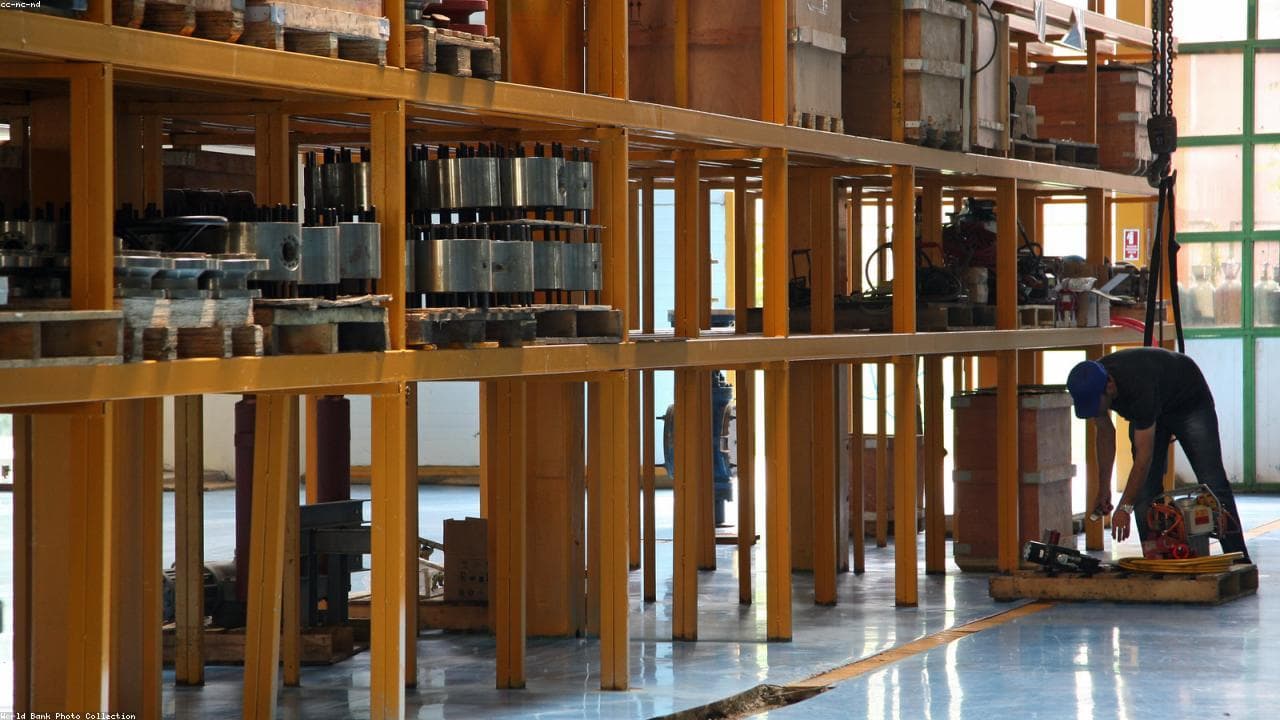
Crane & Lifting Operations drills for ports & terminals in Mumbai.
Book a walkthrough or start a focused pilot on your site.