
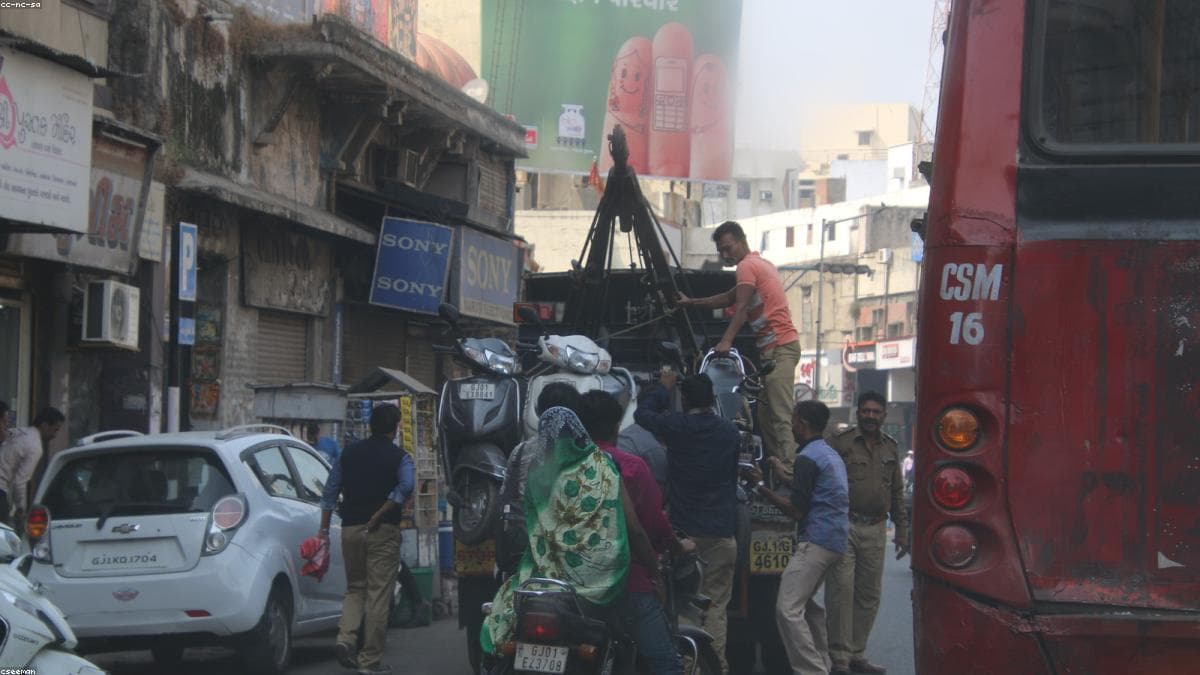
Conveyor Safety VR training for steel in Ahmedabad.
Ahmedabad, Gujarat — chemicals, pharma and textiles hub (Vatva, Naroda and Sanand industrial estates). Train guarding awareness, pull-cord use and lock-and-verify-before-access on virtual conveyors before anyone reaches near a moving belt.
Conveyor Safety VR training for steel in Ahmedabad
DrillXR Conveyor Safety trains operators and maintenance staff to work safely around moving belts, where a reach toward a running conveyor can draw in a hand, a sleeve or worse in an instant. The simulation reproduces the mechanical hazards that maim around conveyors: entanglement at nip points where the belt meets a pulley or roller, clothing or a limb drawn in, falling material thrown from the belt, and the unexpected start that catches someone clearing a blockage. Inside the headset the worker identifies the guards, nip points and pull-cords, stops the conveyor and confirms it is at rest, locks and verifies before access, clears blockages or material safely, and re-guards and restarts with a warning to others. Because the lethal shortcut is reaching in to clear a jam on a live belt, the headset trains the stop-isolate-verify-access discipline that production pressure erodes.
Conveyor injuries are often catastrophic and frequently trace back to clearing a blockage without stopping and isolating the belt. India's framework carries the duty: the Factories Act 1948 requires the fencing of dangerous machinery under Section 21, the Mines Act 1952 and DGMS guidance govern conveyors in mining operations, and a conveyor safe-operating procedure sets out safe access and isolation for each installation. The dangerous habit is not ignorance but familiarity: reaching past a guard to free a stuck product because stopping the line costs time, or trusting a belt is stopped without locking it off. A classroom cannot let a worker feel a belt draw a hand in; DrillXR lets them take that shortcut in the headset and feel the consequence of an unexpected start, building the never-reach-into-a-live-conveyor instinct before a real belt tests it.
Conveyor Safety training for Ahmedabad’s industrial base
Ahmedabad anchors Gujarat's diversified industrial economy, with chemicals, pharmaceuticals and textiles spread across the Vatva, Naroda and Sanand industrial estates. Vatva and Naroda are among India's oldest and densest chemical and dyestuff clusters, packed with small and mid-sized processing units, effluent-intensive operations and bulk storage. Sanand, to the city's west, has become a modern automotive and engineering hub anchored by large OEM plants and their supplier base. The result is a city where reactive-chemistry processing, textile and dye manufacturing and high-volume auto assembly all coexist, each carrying its own distinct hazard profile.
Ahmedabad's industrial mix concentrates exactly the hazards that punish undertrained workers hardest: a toxic release in a packed Vatva chemical unit, a confined-space entry into a process vessel, or a machine-handling incident on a Sanand assembly line. None of these can be rehearsed realistically on the real asset without putting people in harm's way, and classroom training leaves no objective trace of who can actually perform under pressure. VR delivers both the rehearsal and the evidence. A worker can practise substance identification, PPE selection, containment and decontamination for a spill, or atmospheric testing and permit-to-work for a vessel entry — repeatedly, with a score each time. For chemical units under MSIHC and Factories Act scrutiny, and Sanand auto suppliers under OEM audit, that assessed record is concrete, reproducible proof of competence.
Inside a conveyor safety drill
The trainee approaches a virtual conveyor with material to manage and a blockage developing. They begin by identifying the guards, the nip points where the belt meets pulleys and rollers, and the emergency pull-cords running alongside the belt. As material jams, the classic temptation is to reach in and free it on the move; the correct path is to stop the conveyor, using the pull-cord or stop control, and confirm it has come fully to rest rather than acting while it still runs. The trainee then locks and verifies before access, proving the belt cannot start, and only then clears the blockage or fallen material safely. Reach in without stopping and isolating, and the simulation demonstrates the belt drawing them into the nip point. With the blockage cleared, the worker re-guards every guard they opened and restarts the conveyor with an audible warning to anyone nearby.
Steel risk in focus
Steel's failure modes are defined by heat, mass and gas. Molten-metal and hot-work hazards — splashes, runouts and water-metal explosions — produce catastrophic burns and are the sector's most feared events. Crane and material-handling operations move enormous loads over crews, where a rigging error or exclusion-zone breach is instantly fatal. Machine-safety failures on mills, conveyors and shears cause entanglement and crushing, especially during maintenance access. And gas hazards from CO and blast-furnace gas threaten asphyxiation across the plant. Each is a high-energy, low-margin event that procedural discipline — performed correctly every time — is the only reliable defence against.
Go deeper on the Conveyor Safety module, VR training for steel, or all training in Ahmedabad.
The hazards drilled
- entanglement at nip points & pulleys
- drawn-in clothing or limbs
- falling material from the belt
- unexpected start during clearing
Steel risks in Ahmedabad
- molten metal & hot work
- crane/material handling
- machine safety
- gas hazards
The scored procedure
- 01Identify guards, nip points and pull-cords
- 02Stop the conveyor and confirm it is at rest
- 03Lock and verify before access
- 04Clear blockages or material safely
- 05Re-guard and restart with warning
Compliance mapping
Related drills for steel
Explore the Conveyor Safety module, VR training for steel, or all training in Ahmedabad.
Conveyor Safety VR training in Ahmedabad — FAQs
Why run conveyor safety VR training for steel in Ahmedabad?
Ahmedabad is chemicals, pharma and textiles hub (Vatva, Naroda and Sanand industrial estates). Steel teams there face molten metal & hot work, crane/material handling, machine safety. DrillXR lets crews rehearse conveyor safety safely and repeatably, with scored, audit-ready evidence.
What does the Conveyor Safety simulation cover?
Train guarding awareness, pull-cord use and lock-and-verify-before-access on virtual conveyors before anyone reaches near a moving belt. It reproduces entanglement at nip points & pulleys, drawn-in clothing or limbs, falling material from the belt.
Which regulations apply?
Factories Act 1948 (fencing of machinery, Section 21); Mines Act 1952 / DGMS (conveyors in mines); conveyor safe-operating procedure; Factories Act 1948; BIS standards; site safety SOPs.
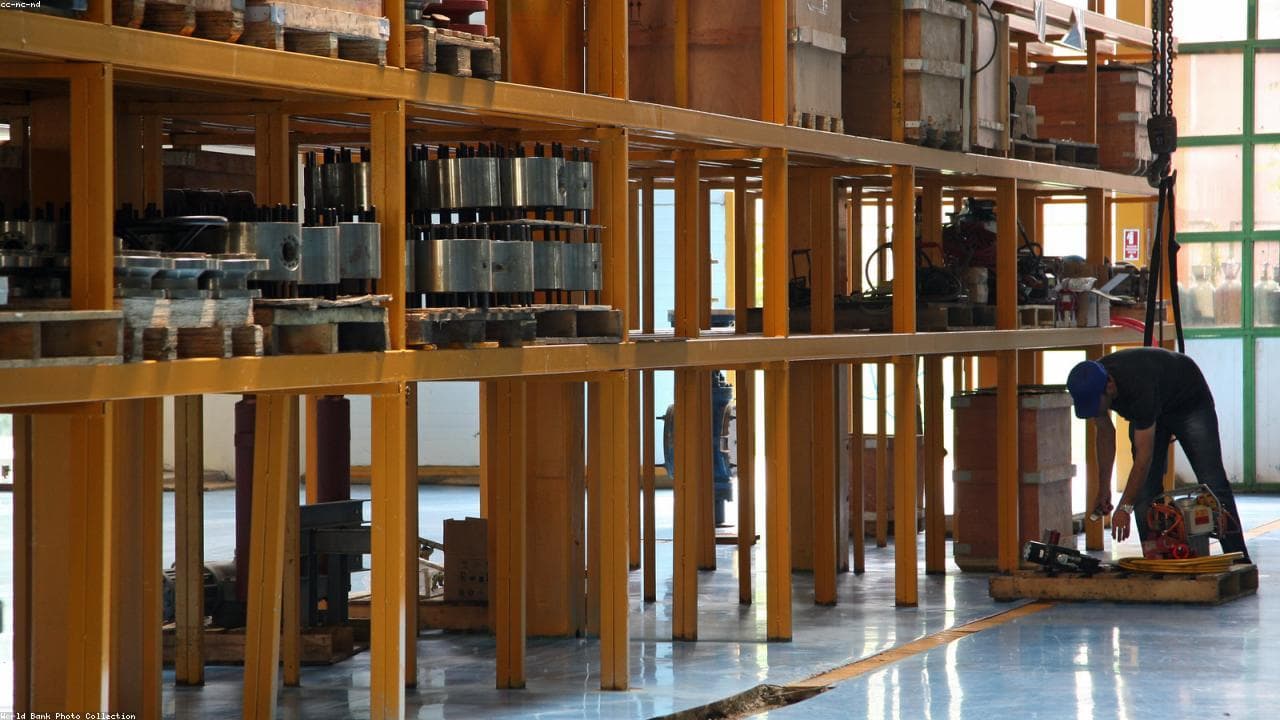
Conveyor Safety drills for steel in Ahmedabad.
Book a walkthrough or start a focused pilot on your site.