
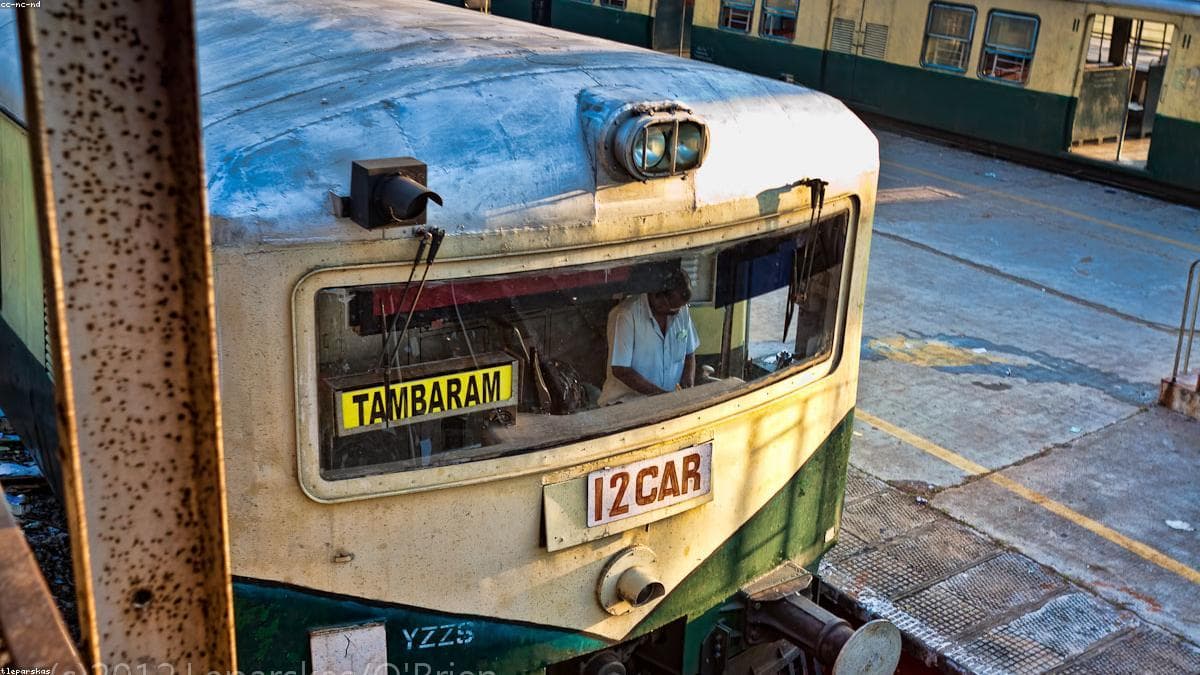
Conveyor Safety VR training for mining in Chennai.
Chennai, Tamil Nadu — automotive and heavy-engineering hub (Sriperumbudur–Oragadam auto cluster). Train guarding awareness, pull-cord use and lock-and-verify-before-access on virtual conveyors before anyone reaches near a moving belt.
Conveyor Safety VR training for mining in Chennai
DrillXR Conveyor Safety trains operators and maintenance staff to work safely around moving belts, where a reach toward a running conveyor can draw in a hand, a sleeve or worse in an instant. The simulation reproduces the mechanical hazards that maim around conveyors: entanglement at nip points where the belt meets a pulley or roller, clothing or a limb drawn in, falling material thrown from the belt, and the unexpected start that catches someone clearing a blockage. Inside the headset the worker identifies the guards, nip points and pull-cords, stops the conveyor and confirms it is at rest, locks and verifies before access, clears blockages or material safely, and re-guards and restarts with a warning to others. Because the lethal shortcut is reaching in to clear a jam on a live belt, the headset trains the stop-isolate-verify-access discipline that production pressure erodes.
Conveyor injuries are often catastrophic and frequently trace back to clearing a blockage without stopping and isolating the belt. India's framework carries the duty: the Factories Act 1948 requires the fencing of dangerous machinery under Section 21, the Mines Act 1952 and DGMS guidance govern conveyors in mining operations, and a conveyor safe-operating procedure sets out safe access and isolation for each installation. The dangerous habit is not ignorance but familiarity: reaching past a guard to free a stuck product because stopping the line costs time, or trusting a belt is stopped without locking it off. A classroom cannot let a worker feel a belt draw a hand in; DrillXR lets them take that shortcut in the headset and feel the consequence of an unexpected start, building the never-reach-into-a-live-conveyor instinct before a real belt tests it.
Conveyor Safety training for Chennai’s industrial base
Chennai is India's automotive capital, and the Sriperumbudur–Oragadam corridor on the city's western fringe is the beating heart of it. The cluster hosts global car and commercial-vehicle OEMs, two-wheeler plants, a dense tier-one and tier-two supplier ecosystem, and the stamping, welding, painting and assembly operations that feed them. Heavy-engineering and electronics manufacturing round out the base. With several large assembly plants and hundreds of feeder units operating on tightly synchronised just-in-time schedules, the corridor runs continuous high-tempo production where a safety stoppage at one supplier can cascade through the whole line.
The economics of Chennai's auto corridor make undertrained operators expensive and dangerous in equal measure: a machine-interaction injury or a press incident stops a line that an OEM is counting on for just-in-time delivery. Classroom safety briefings cannot reliably build the muscle memory a press operator or a robotic-cell technician needs, and they leave no objective evidence of competence. VR does both. In the headset, an operator can confirm safe-stop and lock-and-verify before reaching into a cell, rehearse a weld-line hazard, and practise a line-side evacuation until the response is reflexive — and every attempt produces a score. For Sriperumbudur and Oragadam suppliers under constant OEM audit, that scored, repeatable record is what turns a training claim into demonstrable proof, across permanent and contract workers alike.
Inside a conveyor safety drill
The trainee approaches a virtual conveyor with material to manage and a blockage developing. They begin by identifying the guards, the nip points where the belt meets pulleys and rollers, and the emergency pull-cords running alongside the belt. As material jams, the classic temptation is to reach in and free it on the move; the correct path is to stop the conveyor, using the pull-cord or stop control, and confirm it has come fully to rest rather than acting while it still runs. The trainee then locks and verifies before access, proving the belt cannot start, and only then clears the blockage or fallen material safely. Reach in without stopping and isolating, and the simulation demonstrates the belt drawing them into the nip point. With the blockage cleared, the worker re-guards every guard they opened and restarts the conveyor with an audible warning to anyone nearby.
Mining risk in focus
Mining's failure modes are dominated by atmosphere and movement. Confined-space and gas hazards — oxygen deficiency, methane or other toxic accumulations in headings, bunkers and sumps — kill quickly and often claim would-be rescuers too. Heavy-vehicle interaction on surface operations, where dumpers and shovels share ground with light vehicles and people in poor visibility, is a persistent cause of fatalities. Rockfall and ground failure remain ever-present underground, and when an incident does escalate, a disorganised or delayed emergency egress is what turns a survivable event into a multiple-fatality disaster. Each of these is a coordination and procedure problem that a written exam cannot validate.
Go deeper on the Conveyor Safety module, VR training for mining, or all training in Chennai.
The hazards drilled
- entanglement at nip points & pulleys
- drawn-in clothing or limbs
- falling material from the belt
- unexpected start during clearing
Mining risks in Chennai
- confined space & gas hazards
- heavy-vehicle interaction
- rockfall
- emergency egress
The scored procedure
- 01Identify guards, nip points and pull-cords
- 02Stop the conveyor and confirm it is at rest
- 03Lock and verify before access
- 04Clear blockages or material safely
- 05Re-guard and restart with warning
Compliance mapping
Related drills for mining
Explore the Conveyor Safety module, VR training for mining, or all training in Chennai.
Conveyor Safety VR training in Chennai — FAQs
Why run conveyor safety VR training for mining in Chennai?
Chennai is automotive and heavy-engineering hub (Sriperumbudur–Oragadam auto cluster). Mining teams there face confined space & gas hazards, heavy-vehicle interaction, rockfall. DrillXR lets crews rehearse conveyor safety safely and repeatably, with scored, audit-ready evidence.
What does the Conveyor Safety simulation cover?
Train guarding awareness, pull-cord use and lock-and-verify-before-access on virtual conveyors before anyone reaches near a moving belt. It reproduces entanglement at nip points & pulleys, drawn-in clothing or limbs, falling material from the belt.
Which regulations apply?
Factories Act 1948 (fencing of machinery, Section 21); Mines Act 1952 / DGMS (conveyors in mines); conveyor safe-operating procedure; Mines Act 1952; DGMS circulars; Mines Rules / Vocational Training Rules.
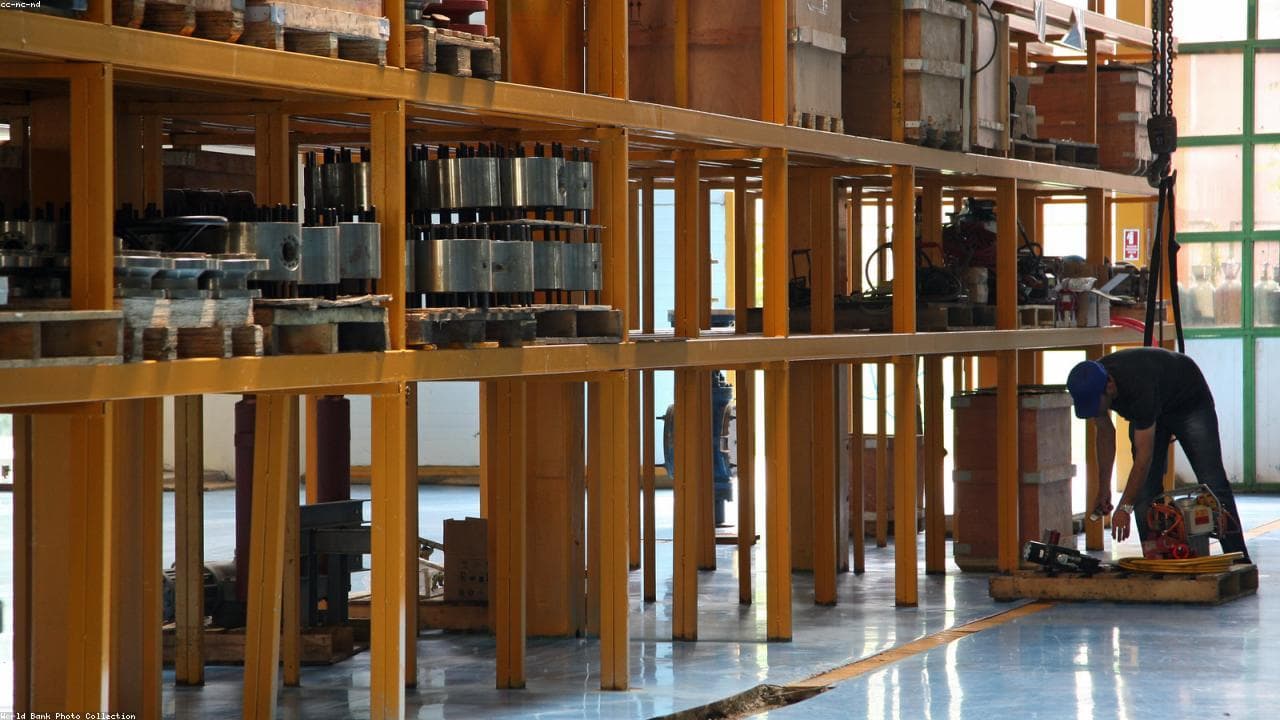
Conveyor Safety drills for mining in Chennai.
Book a walkthrough or start a focused pilot on your site.