

Compressed Gas Cylinders VR training for oil & gas in Vadodara.
Vadodara, Gujarat — petrochemicals and engineering hub (the Vadodara–Ankleshwar chemical corridor). Practise cylinder inspection, secure handling, storage segregation and safe connection on virtual cylinders before a worker touches a live one.
Compressed Gas Cylinders VR training for oil & gas in Vadodara
DrillXR Compressed Gas Cylinders trains workers to inspect, move, store and connect cylinders correctly, so a routine gas job does not become a projectile or a release. The simulation reproduces the hazards that drive cylinder incidents: a cylinder knocked over so the valve shears and the cylinder rockets, incompatible gases stored together when they should be segregated, leaks and regulator misuse that lead to over-pressure, and the rolling, dragging and unsecured transport that damages a cylinder or the person moving it. Inside the headset the worker inspects the cylinder, valve and markings, secures it upright and chained, checks storage segregation and ventilation, connects the regulator and leak-tests the joint, and isolates, caps and stores the cylinder after use. Because a cylinder is a pressure vessel that looks harmless until it is mishandled, the headset trains the secure-inspect-segregate-leak-test discipline a quick job tends to skip.
Compressed gas is governed tightly in India because the failure modes are violent. The PESO / Gas Cylinders Rules 2016 set the requirements for the handling, storage and transport of gas cylinders, the Factories Act 1948 carries duties around the storage of gases under pressure on the premises, and the Static and Mobile Pressure Vessels (SMPV) Rules govern the larger pressure-vessel and bulk-storage side of the same hazard. The dangerous habit is not ignorance but convenience: standing a cylinder unchained for "just a minute", storing oxygen next to a fuel gas, or cracking a regulator without a leak test. A classroom cannot let a worker feel a cylinder go over and shear its valve; DrillXR lets them make and correct that mistake in the headset, building the secure-and-segregate instinct before they handle a live cylinder.
Compressed Gas Cylinders training for Vadodara’s industrial base
Vadodara sits at the head of one of India's most important industrial arteries — the Vadodara–Ankleshwar chemical corridor that runs down Gujarat's golden belt. The city itself is a long-established petrochemicals and heavy-engineering centre, home to large public-sector and private chemical, fertiliser and engineering complexes, while the corridor stretching south through Nandesari, Dahej and Ankleshwar concentrates one of the densest collections of chemical and petrochemical processing in the country. This is continuous-process industry at scale: reactors, pressure vessels, bulk storage, pipelines and the hazardous chemistry that runs through them, much of it classified under Major Accident Hazard rules.
On the Vadodara–Ankleshwar corridor the highest-consequence events — a confined-space fatality during a vessel entry, a toxic or H2S release, a hot-work fire, a slow emergency response — are exactly the ones that are too dangerous to practise on the real asset. That is the core case for VR. DrillXR lets a worker rehearse atmospheric testing and permit-to-work before entering a vessel, practise containment and decontamination for a specific release, and run a timed, role-based emergency drill where team coordination is scored. For MAH units whose on-site emergency plans must be demonstrably and repeatedly tested, immersive drills produce a defensible competence record that a classroom and a signed register cannot. On a corridor this hazardous and this scrutinised, reproducible proof of competence is not optional.
Inside a compressed gas cylinders drill
The session begins at a virtual cylinder store with a gas-supply task. The trainee first inspects the cylinder, its valve and its markings, checking for damage and confirming the gas and its condition rather than assuming. They secure the cylinder upright and chained before doing anything else; leaving it free-standing is flagged, and the simulation can demonstrate a knock-over and valve shear. They check storage segregation and ventilation, and placing an oxidiser beside a fuel gas, or a full beside an empty without separation, is registered. Moving to use, they connect the regulator correctly and leak-test the joint before opening the supply; skip the leak test and a release is demonstrated. With the task complete, the worker isolates the supply, caps the valve, and returns the cylinder to its secured, segregated storage position rather than leaving it loose.
Oil & Gas risk in focus
Oil and gas failure modes are process-driven and unforgiving. Process-safety events — loss of containment, runaway pressure or temperature, ignition of a release — are the headline catastrophic risk. H2S exposure can incapacitate or kill within seconds and demands instant, correct PPE and rescue behaviour. Hot-work ignition occurs when a permit fails to account for residual hydrocarbons or inadequate gas testing near welding and cutting. Confined-space entry into tanks, vessels and sumps combines toxic-atmosphere, engulfment and entrapment hazards with the recurring tragedy of untrained rescuers becoming the next casualties. Every one of these turns on procedure discipline under stress.
Go deeper on the Compressed Gas Cylinders module, VR training for oil & gas, or all training in Vadodara.
The hazards drilled
- cylinder fall, knock-over and valve shear
- incompatible-gas storage & segregation failure
- leaks, regulator misuse and over-pressure
- rolling, dragging and unsecured transport
Oil & Gas risks in Vadodara
- process-safety events
- H2S exposure
- hot-work ignition
- confined-space entry
The scored procedure
- 01Inspect the cylinder, valve and markings
- 02Secure the cylinder upright and chained
- 03Check storage segregation and ventilation
- 04Connect the regulator and leak-test
- 05Isolate, cap and store after use
Compliance mapping
Related drills for oil & gas
Explore the Compressed Gas Cylinders module, VR training for oil & gas, or all training in Vadodara.
Compressed Gas Cylinders VR training in Vadodara — FAQs
Why run compressed gas cylinders VR training for oil & gas in Vadodara?
Vadodara is petrochemicals and engineering hub (the Vadodara–Ankleshwar chemical corridor). Oil & Gas teams there face process-safety events, H2S exposure, hot-work ignition. DrillXR lets crews rehearse compressed gas cylinders safely and repeatably, with scored, audit-ready evidence.
What does the Compressed Gas Cylinders simulation cover?
Practise cylinder inspection, secure handling, storage segregation and safe connection on virtual cylinders before a worker touches a live one. It reproduces cylinder fall, knock-over and valve shear, incompatible-gas storage & segregation failure, leaks, regulator misuse and over-pressure.
Which regulations apply?
PESO / Gas Cylinders Rules 2016; Factories Act 1948 (storage of gases under pressure); Static & Mobile Pressure Vessels (SMPV) Rules; OISD standards; PESO (explosives/pressure); Factories Act 1948.
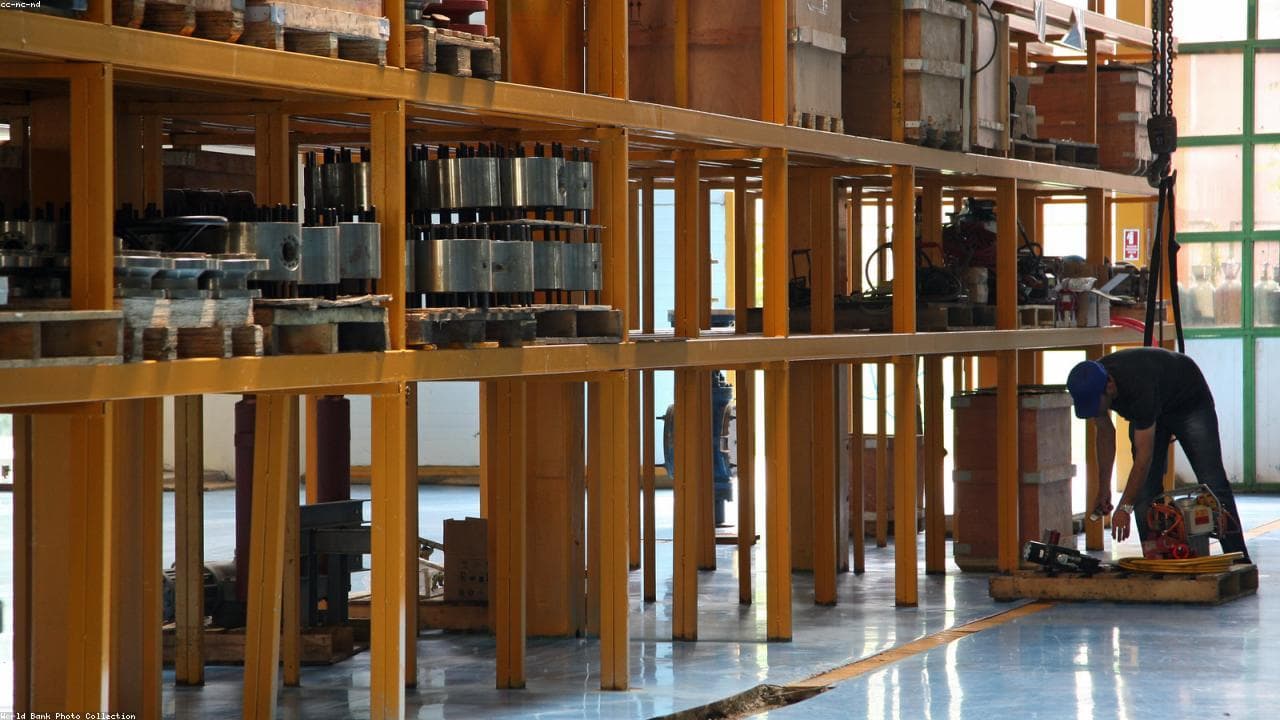
Compressed Gas Cylinders drills for oil & gas in Vadodara.
Book a walkthrough or start a focused pilot on your site.