

Bloodborne Pathogens & Biohazard VR training for pharma in Delhi NCR.
Delhi NCR, Delhi NCR — auto, electronics and manufacturing belt (Manesar, Faridabad and Noida clusters). Train universal precautions, safe sharps handling and spill response so workers handle blood and biohazard exposure without infection.
Bloodborne Pathogens & Biohazard VR training for pharma in Delhi NCR
DrillXR Bloodborne Pathogens and Biohazard trains workers to handle blood, body fluids and biohazardous waste without infecting themselves or others. The simulation reproduces the exposure routes that matter: needlestick and sharps injuries that transmit infection in an instant; contact exposure to blood and body fluids through unprotected skin, eyes or mucous membranes; improper segregation and disposal of biomedical waste that puts others at risk downstream; and the secondary contamination that spreads from a spill left uncontrolled. Inside the headset the trainee treats all blood and body fluids as infectious, dons the correct PPE before any contact, handles and disposes of sharps in the correct container, contains and decontaminates a spill, and segregates biomedical waste correctly while reporting any exposure.
Exposure to bloodborne pathogens is unforgiving because a single lapse can carry a lifelong consequence. In India the Bio-Medical Waste Management Rules 2016 govern the segregation, containment and disposal of biomedical waste, including the colour-coded handling of sharps and contaminated material, and the Factories Act 1948 sets the occupational-health and welfare duties that protect workers in pharmaceutical and manufacturing settings. The classic incident is not ignorance but routine: recapping a needle, reaching into a bin, mopping a spill bare-handed. DrillXR lets workers rehearse universal precautions, safe sharps handling and spill response until the discipline is automatic, and lets them experience the consequence of a shortcut in simulation rather than through a real needlestick.
Bloodborne Pathogens & Biohazard training for Delhi NCR’s industrial base
Delhi NCR is North India's largest manufacturing engine, built around three powerful sub-clusters: Manesar in Haryana, with its automotive OEMs and tier-one supplier base; Faridabad, a long-established heavy-engineering, machinery and auto-component belt; and Noida, with its electronics, appliance and light-manufacturing concentration. Together they form a sprawling, multi-state industrial region where car and two-wheeler assembly, forging and machining, electronics production and large-scale warehousing operate side by side. The workforce is enormous, heavily contract and migrant, and rotates frequently — making consistent safety competence a region-wide challenge rather than a single-plant one.
The scale and churn of NCR's workforce make training consistency the core problem: a Manesar supplier or a Faridabad engineering unit is constantly inducting new, often contract, operators, and a slide-and-signature induction guarantees neither competence nor evidence of it. VR fixes both. A new operator can rehearse a forklift pedestrian near-miss, a press lockout or a line-side evacuation in the headset until the response is reflexive, and the plant captures a score for every attempt regardless of who the worker is or when they started. For OEM-audited suppliers around Manesar and for multi-site operators spread across Haryana, Delhi and Noida, that assessed, repeatable record lets them hold a vast and mobile workforce to one measurable safety standard — and prove it to whichever state regulator and customer comes calling.
Inside a bloodborne pathogens & biohazard drill
The session places the trainee in a work area where blood or body fluids are present and a task must be completed. They begin by treating all fluids as infectious and donning PPE in the correct order — gloves, eye and face protection and gown — before any contact; skipping an item is logged. Handling a sharp, the trainee must avoid recapping and dispose of it directly into the correct puncture-resistant container; a recap or a near-miss into a general bin is penalised and the simulation can demonstrate the needlestick consequence. A spill then appears, and the trainee must contain and decontaminate it rather than mop it carelessly. Finally they segregate biomedical waste into the correct colour-coded stream and, where an exposure occurred, follow the reporting step rather than carrying on. Each lapse registers against the score.
Pharma risk in focus
Pharma's risks sit at the intersection of safety and contamination. Chemical exposure from solvents, reagents and active compounds demands correct PPE, containment and decontamination, and a wrong response can harm both the worker and the product. Cleanroom breaches — gowning failures, pressure-cascade violations, line-clearance lapses — compromise sterility and trigger costly investigations. Fire risk is elevated by flammable-solvent inventories. And process and packaging machinery carries the usual entanglement and unexpected-start hazards, made more acute where access for cleaning and changeover is frequent. Each failure is a procedural deviation that documentation alone cannot prevent.
Go deeper on the Bloodborne Pathogens & Biohazard module, VR training for pharma, or all training in Delhi NCR.
The hazards drilled
- needlestick and sharps injuries
- contact exposure to blood and body fluids
- improper biomedical waste segregation and disposal
- secondary contamination from an uncontrolled spill
Pharma risks in Delhi NCR
- chemical exposure
- cleanroom breaches
- fire
- machine safety
The scored procedure
- 01Treat all blood and body fluids as infectious
- 02Don the correct PPE before any contact
- 03Handle and dispose of sharps in the correct container
- 04Contain and decontaminate a spill safely
- 05Segregate biomedical waste and report exposure
Compliance mapping
Related drills for pharma
Explore the Bloodborne Pathogens & Biohazard module, VR training for pharma, or all training in Delhi NCR.
Bloodborne Pathogens & Biohazard VR training in Delhi NCR — FAQs
Why run bloodborne pathogens & biohazard VR training for pharma in Delhi NCR?
Delhi NCR is auto, electronics and manufacturing belt (Manesar, Faridabad and Noida clusters). Pharma teams there face chemical exposure, cleanroom breaches, fire. DrillXR lets crews rehearse bloodborne pathogens & biohazard safely and repeatably, with scored, audit-ready evidence.
What does the Bloodborne Pathogens & Biohazard simulation cover?
Train universal precautions, safe sharps handling and spill response so workers handle blood and biohazard exposure without infection. It reproduces needlestick and sharps injuries, contact exposure to blood and body fluids, improper biomedical waste segregation and disposal.
Which regulations apply?
Bio-Medical Waste Management Rules 2016; Factories Act 1948 (occupational health & welfare); site infection-control & exposure standard operating procedure; Schedule M / GMP; Factories Act 1948; hazardous-chemicals rules.
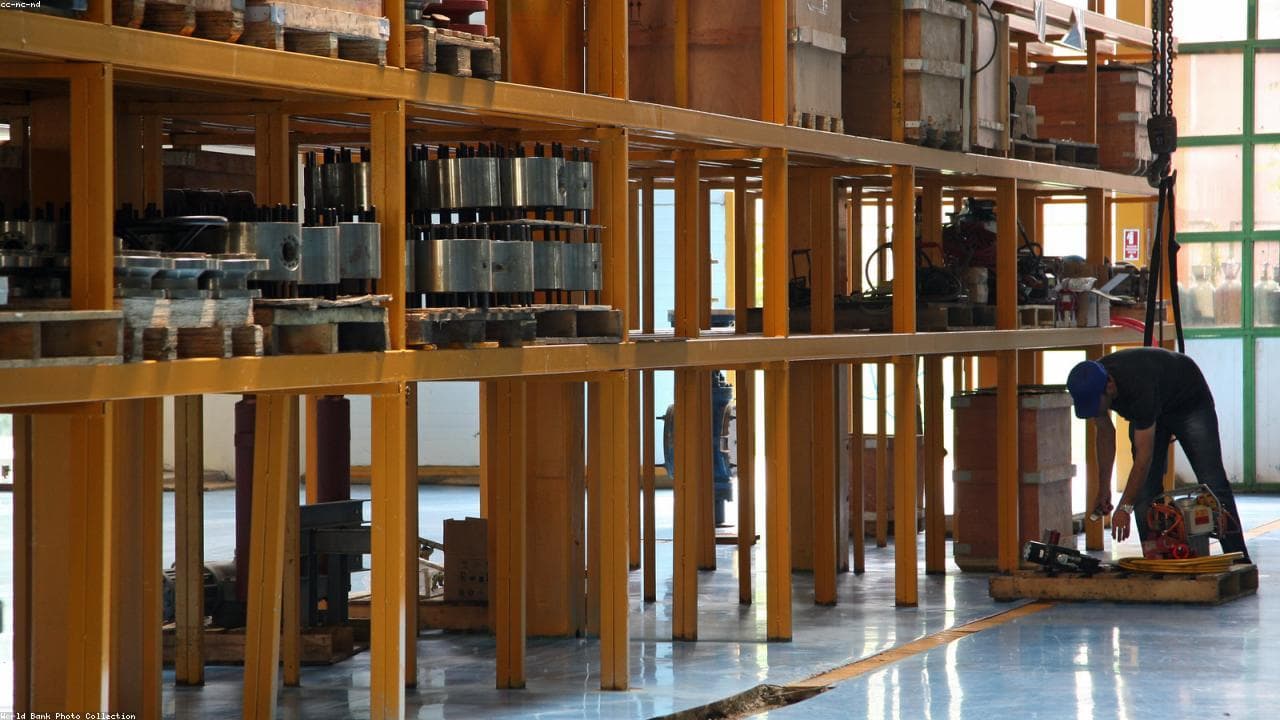
Bloodborne Pathogens & Biohazard drills for pharma in Delhi NCR.
Book a walkthrough or start a focused pilot on your site.