
Battery & Energy Storage Safety VR training for automotive in Jamshedpur.
Jamshedpur, Jharkhand — steel and heavy-industry city (the steel and heavy-engineering belt). Train safe handling, isolation and thermal-runaway response around lithium battery packs and energy-storage systems where stored energy never fully switches off.
Battery & Energy Storage Safety VR training for automotive in Jamshedpur
DrillXR Battery and Energy Storage Safety trains workers to handle lithium battery packs and energy-storage systems where the defining risk is that the stored energy never fully switches off. The simulation reproduces the hazards that make battery work distinct: thermal runaway and the venting of toxic, flammable gas, DC arc and shock from a pack that cannot be fully de-energised, a short circuit thrown across the terminals by a dropped tool or a worn ring, and a fire that reignites after it appears to be out. Inside the headset the worker assesses the pack state, its charge and any sign of damage, isolates at the battery-management and disconnect points, confirms a safe DC voltage and switches to insulated tooling, handles, transports or stores the pack within safe limits, and responds to a thermal event by isolating the area. The headset is built to instil the respect a permanently energised source demands.
Energy storage is growing fast across power, automotive and manufacturing, and the hazards travel with it. The Factories Act 1948 sets the duty of care for safe handling and storage, the Manufacture, Storage and Import of Hazardous Chemicals Rules govern the hazardous substances a venting cell releases and the emergency response required, and a site battery-handling and emergency-response procedure controls the work. The dangerous assumption is that a battery, unlike mains plant, can be treated as inert once a switch is thrown, when a pack remains at hazardous DC voltage and a damaged cell can enter thermal runaway with no external trigger. A briefing rarely conveys that. DrillXR lets a worker isolate, prove a safe voltage, handle a pack with insulated tools, and rehearse a thermal-runaway response, so the always-energised mindset is built before a real cell vents.
Battery & Energy Storage Safety training for Jamshedpur’s industrial base
Jamshedpur is India's original steel city, a planned industrial town in Jharkhand built around integrated steelmaking and the heavy-engineering belt that grew up alongside it. Its economy is dominated by large-scale primary steel production, alloy and tube making, and a deep base of heavy fabrication, automotive and capital-goods engineering that supplies and surrounds the steel works. This is the heaviest end of Indian manufacturing: blast furnaces, molten-metal handling, rolling mills, overhead cranes and the kind of high-energy, high-temperature processes where the consequences of a single error are severe and immediate.
In a steel plant the hazards are not abstractions — molten metal, crane loads overhead, hot rolling lines and gas around furnaces leave almost no room for an untrained reaction. Yet you cannot practise a hot-metal emergency or a confined-vessel entry on the live asset, and classroom briefings do not build the instinct a mill or crane environment demands. VR is built for exactly this gap. DrillXR lets a worker rehearse machine isolation and lock-and-verify on a rolling line, confined-space entry into a vessel, and fire and evacuation around hot processes — repeatedly, with a score on every attempt. For Jamshedpur's integrated works and the heavy-fabrication units around them, that assessed, reproducible record holds a large, shift-based workforce to a single high safety standard and provides clear evidence for Factories Act compliance.
Inside a battery & energy storage safety drill
The session begins at a virtual battery pack or energy-storage rack with a service task. The trainee first assesses the pack state, its charge level and any sign of swelling, heat or damage, deciding whether it is safe to work on at all. They isolate at the battery-management system and the disconnect points rather than assuming a single switch makes the pack safe. They confirm a safe DC voltage at the terminals and switch to insulated tooling before any contact; treat the pack as dead or bridge the terminals with an uninsulated tool and the simulation demonstrates the arc or short. They handle, move or store the pack within its safe limits, avoiding the impact or over-temperature that can trigger runaway. The scenario then introduces a thermal event in a cell, and the trainee must respond correctly, isolating the area and not treating a runaway as an ordinary fire, with reignition demonstrated if the response is wrong.
Automotive risk in focus
Automotive failure modes are line-side and machine-driven. Robot and machine interaction causes crushing and impact injuries when a worker enters an active envelope or a cell restarts unexpectedly during intervention. Press and weld hazards — point-of-operation injuries, ejected parts, burns and arc exposure — are concentrated in body and stamping shops where access for setting and clearing is frequent. Material-handling incidents arise from the relentless forklift, tugger and conveyor movement feeding the line. And fire risk attends paint shops and battery and component areas. Each is an unexpected-motion or access failure that energy isolation and machine discipline, done right every time, prevents.
Go deeper on the Battery & Energy Storage Safety module, VR training for automotive, or all training in Jamshedpur.
The hazards drilled
- thermal runaway and venting of toxic, flammable gas
- DC arc and shock from a pack that cannot be fully de-energised
- short circuit across terminals from tools or jewellery
- fire that reignites after apparent extinguishing
Automotive risks in Jamshedpur
- robot/machine interaction
- press & weld hazards
- material handling
- fire
The scored procedure
- 01Assess the pack state, charge and any sign of damage
- 02Isolate at the battery management and disconnect points
- 03Confirm safe DC voltage and apply insulated tooling
- 04Handle, transport or store the pack within safe limits
- 05Respond to a thermal event and isolate the area
Compliance mapping
Related drills for automotive
Explore the Battery & Energy Storage Safety module, VR training for automotive, or all training in Jamshedpur.
Battery & Energy Storage Safety VR training in Jamshedpur — FAQs
Why run battery & energy storage safety VR training for automotive in Jamshedpur?
Jamshedpur is steel and heavy-industry city (the steel and heavy-engineering belt). Automotive teams there face robot/machine interaction, press & weld hazards, material handling. DrillXR lets crews rehearse battery & energy storage safety safely and repeatably, with scored, audit-ready evidence.
What does the Battery & Energy Storage Safety simulation cover?
Train safe handling, isolation and thermal-runaway response around lithium battery packs and energy-storage systems where stored energy never fully switches off. It reproduces thermal runaway and venting of toxic, flammable gas, DC arc and shock from a pack that cannot be fully de-energised, short circuit across terminals from tools or jewellery.
Which regulations apply?
Factories Act 1948 (safe handling and storage duties); Manufacture, Storage and Import of Hazardous Chemicals Rules 1989 (hazardous-substance handling and emergency response); site battery-handling and emergency-response procedure; Factories Act 1948; BIS machinery standards; OEM safety SOPs.
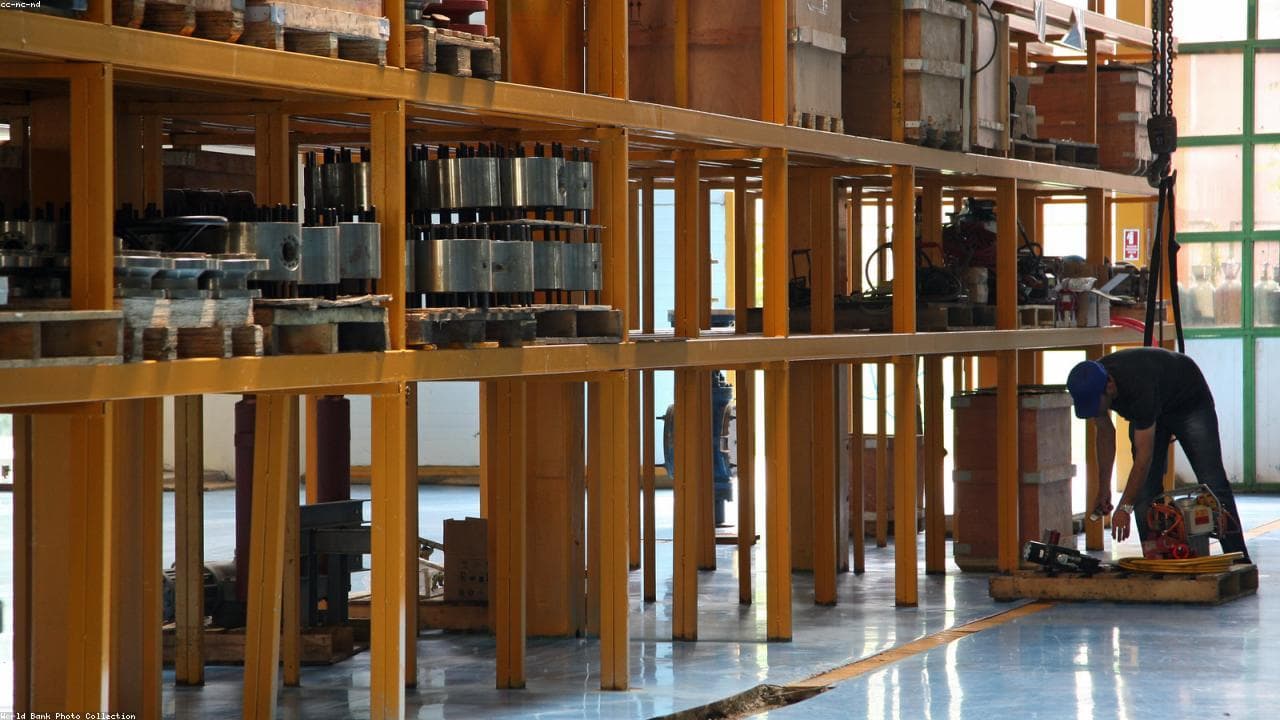
Battery & Energy Storage Safety drills for automotive in Jamshedpur.
Book a walkthrough or start a focused pilot on your site.